Austria Christmas Traditions
Austria’s Christmas Traditions are among the most heart-warming and magical in Europe. Christmas Traditions in Austria are deeply cherished — a beautiful blend of Catholic faith, folklore, music, and family gatherings that create a truly enchanting season.
Unlike many English-speaking countries, the Christmas season in Austria is less commercial and far more authentic, shaped by Christmas customs and rituals that have been passed down through generations.
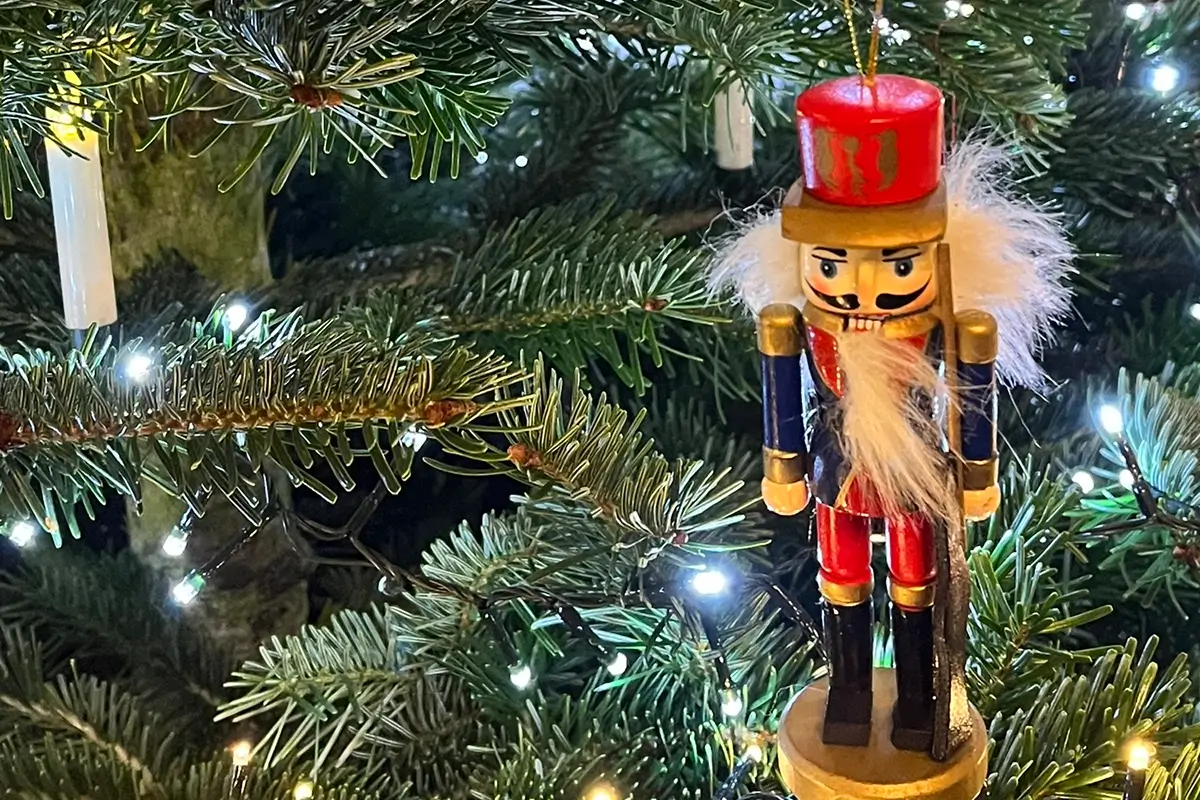
From candlelit Advent markets to the eerie thrill of Krampus runs, Austria’s Christmas traditions blend warmth, wonder, and a touch of folklore.
Discover how Austrians celebrate the festive season — with handmade ornaments, heavenly carols, sweet treats like Lebkuchen, and timeless customs that make Christmas in Austria truly magical.
Hi, I’m Tammy — founder of Wanderlustria and the Austria Travel Planning Facebook Group.
After years of living in the Austrian Alps and immersing myself in the magic of Austria’s Christmas traditions, I’ve come to know what makes this season truly special. I love sharing my insider tips and local know-how to help travellers experience Austria’s festive spirit just like a local.
Join our Newsletter
Copyright: Unless otherwise stated, all images on this website are copyright Wanderlustria e.U.
Disclosure: Some links on this page are affiliate links. If you make a purchase through them, I may earn a small commission at no extra cost to you. This helps support Wanderlustria and allows me to continue creating free Austria travel resources and guides. Read Disclaimer and Terms & Conditions
Join the Austria Travel Planning Facebook Group
Follow us on:
Austria Christmas Traditions: A Magical Celebration
Contents
♦ Advent in Austria
♦ Advent Wreaths
♦ Christmas Markets
♦ Music and Christmas Carols
♦ Nativity Scenes
♦ St Nikolaus, Krampus and Perchten
♦ Christmas Tree
♦ Christmas Eve
♦ The Christkind
♦ Austria Christmas Dinner
Advent in Austria
The Christmas season in Austria begins with Advent, the four Sundays before Christmas that symbolise the arrival (adventus) of Jesus.
Each Sunday is known as Adventssonntag and is marked with family gatherings and festive preparations.
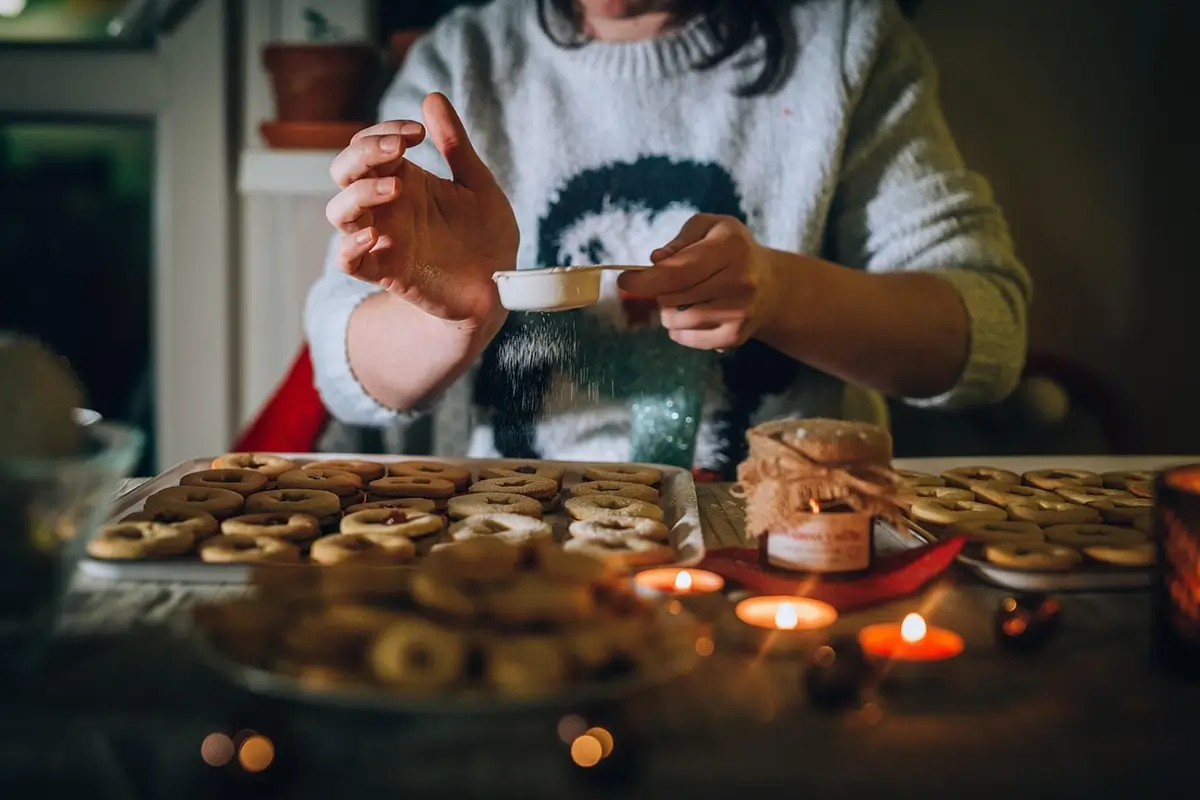
During Advent, kitchens across Austria are filled with the scent of gingerbread and Vanillekipferl (crescent-shaped vanilla biscuits).
Advent Wreaths
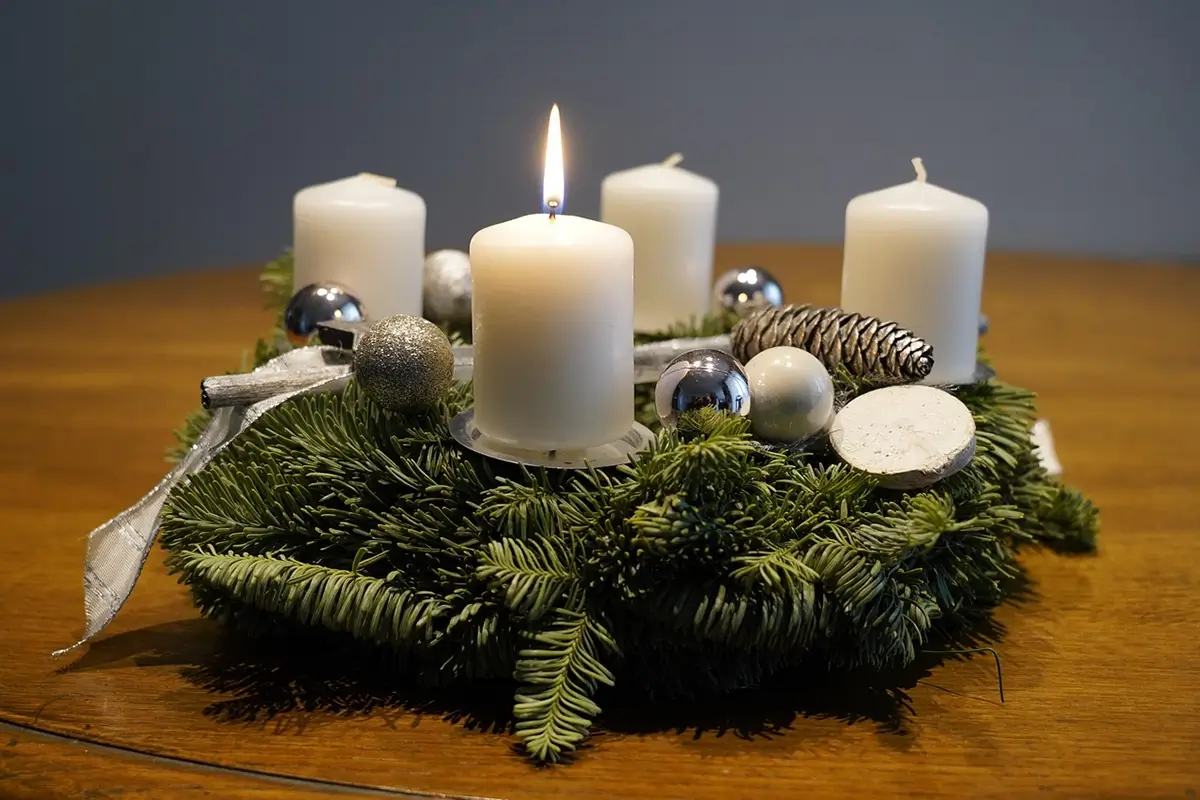
Almost every Austrian home displays an Advent wreath made of evergreen branches, decorated with four candles.
Beginning on the first Sunday of Advent, a candle is lit each week until all four glow brightly on the final Sunday. This ritual is a beloved family moment that sets the tone for the season.
Christmas Markets
Advent is the time when the famous Adventsmarkt—better known as Christkindlmarkt or Christmas Markets—open across the country.
The Christmas Markets are a highlight of Advent in Austria, offering handmade gifts, festive foods, and an atmosphere that feels like stepping into a winter wonderland.
Nearly every city, town, and village in Austria hosts its own Christmas market during Advent. In smaller villages, these charming markets often appear for just one or two weekends, making them even more special.
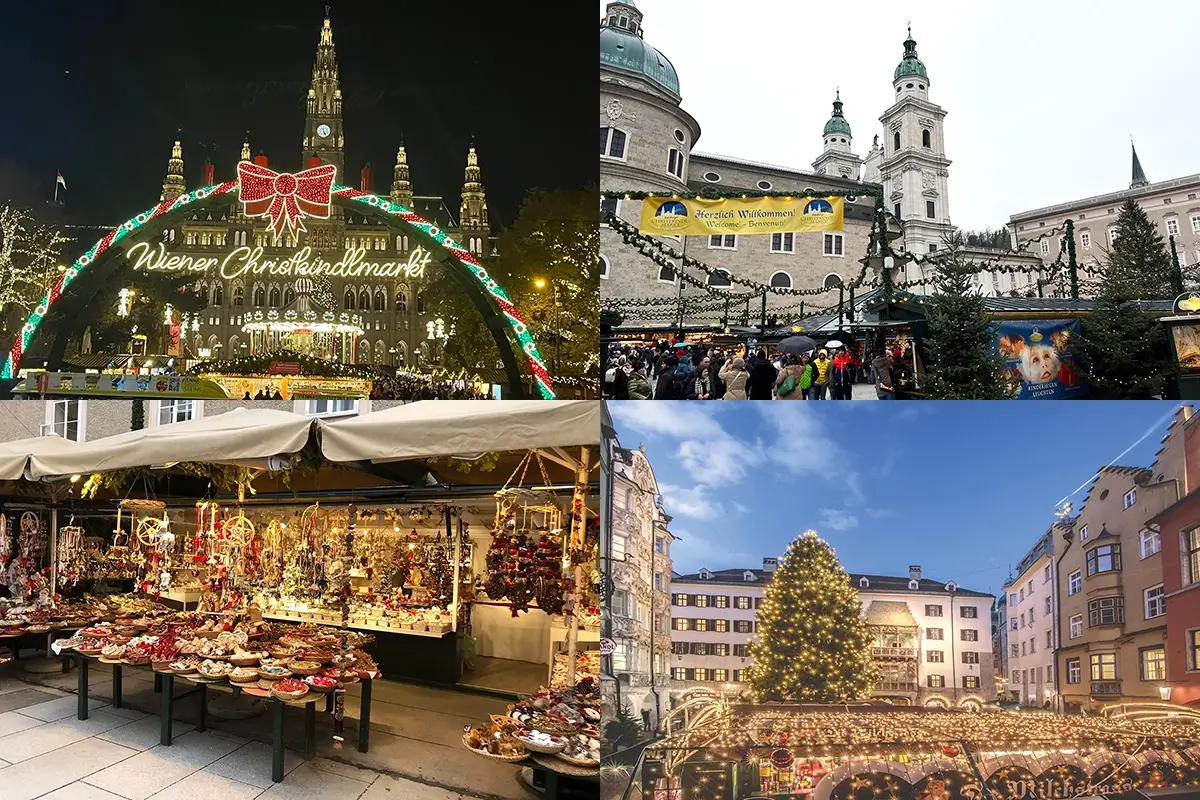
The most popular Christmas Markets are in Vienna, Salzburg and Innsbruck.
We highly recommend visiting the enchanting Christmas Markets on Wolfgangsee (Lake Wolfgang) in the Salzkammergut region. The three picturesque lakeside villages — St Wolfgang, St Gilgen, and Strobl — each host their own festive market, and visitors can hop between them by ferry, making for a truly magical holiday experience.
👉 Top tip: The Best time to visit the Austrian Christmas Markets is from November 23 to December 23.
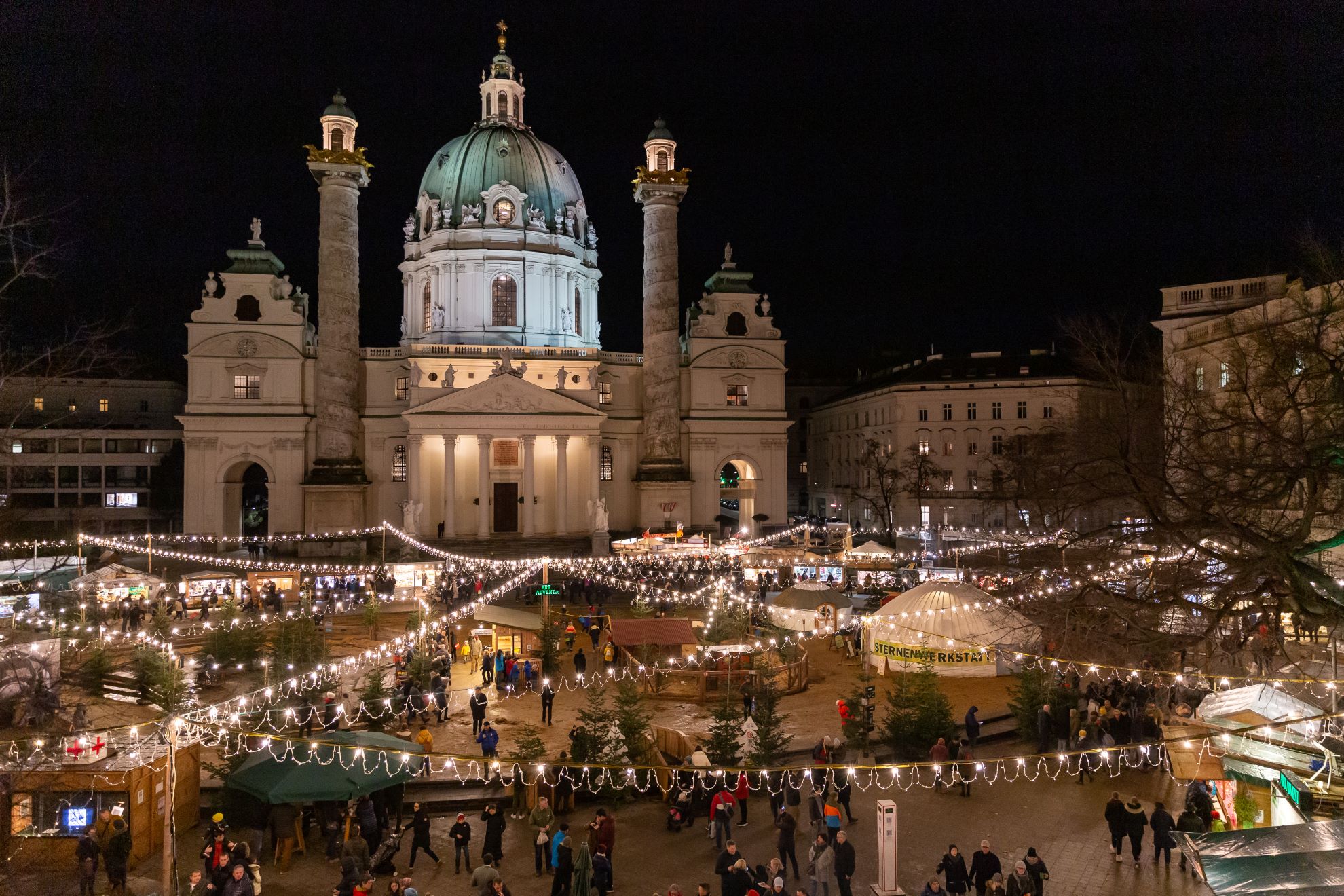
Art Advent Christmas Market at Karlsplatz in Vienna © Art Advent
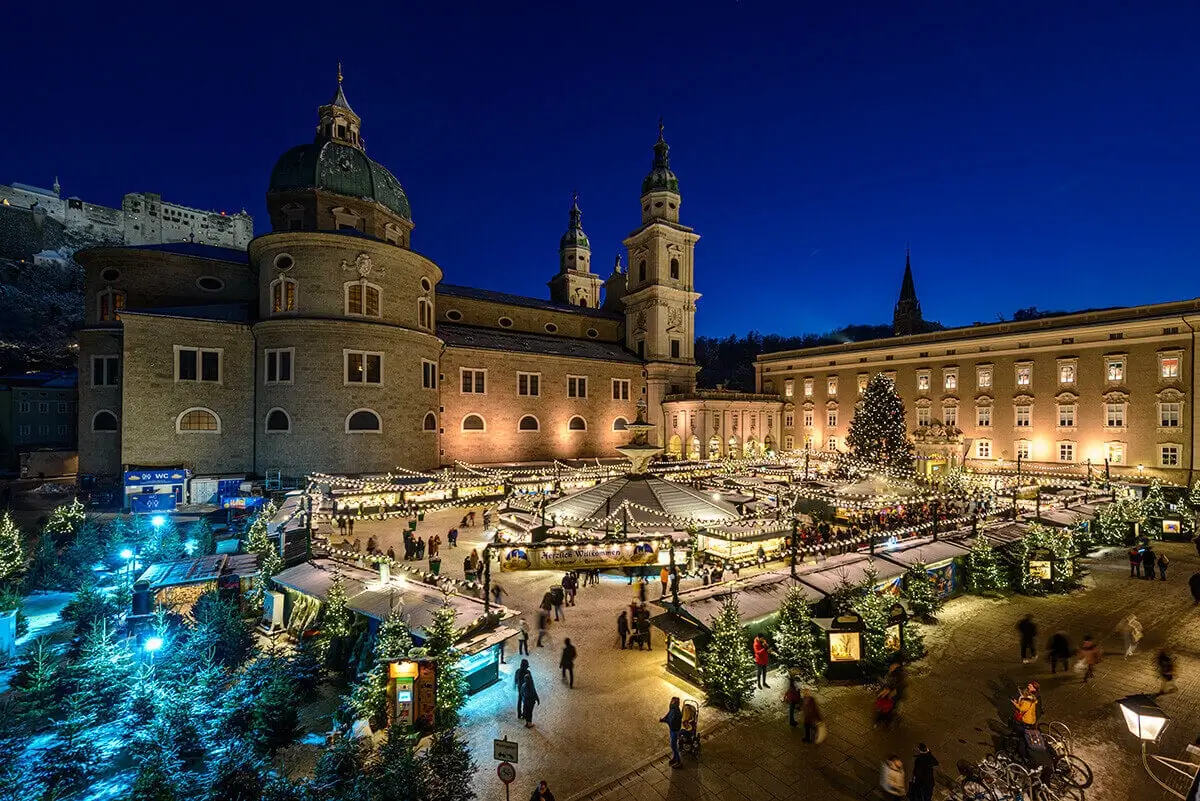
Salzburg Dom-Residenzplatz Christkindlmarkt © Salzburg Tourismus
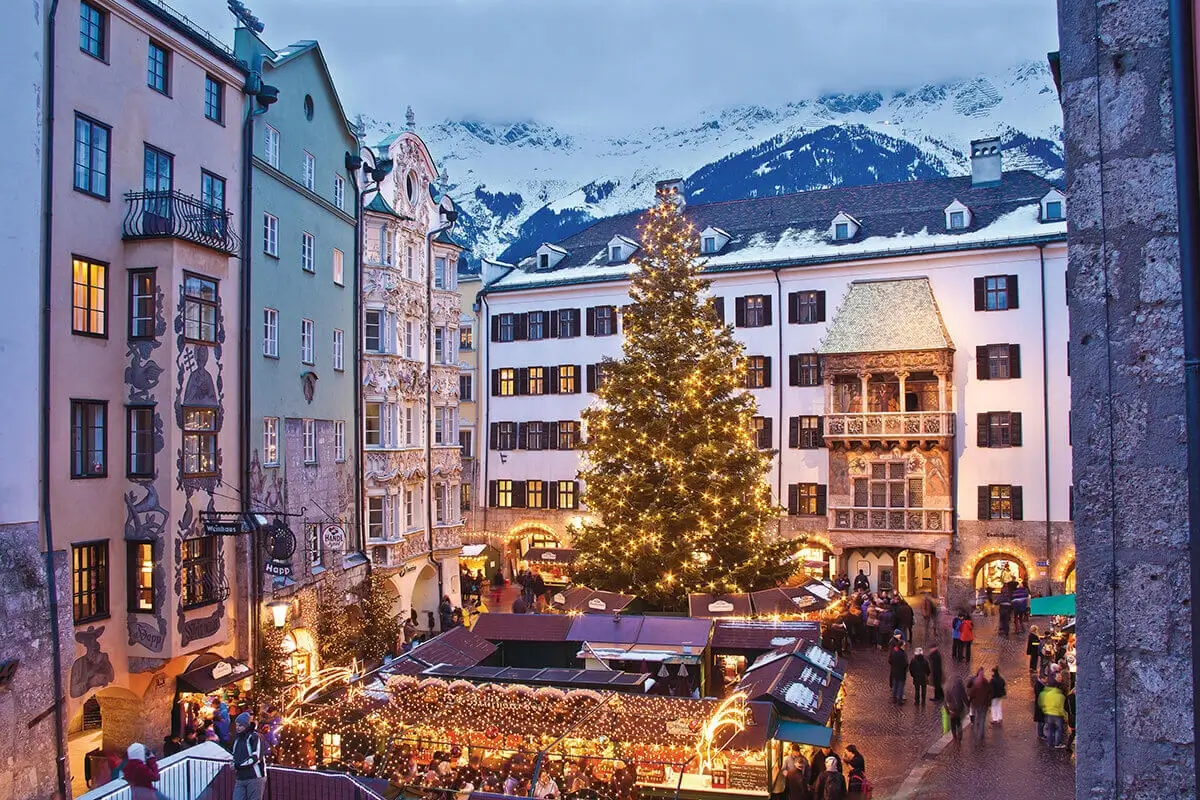
Innsbruck Christkindlmarkt © Innsbruck Tourimus
Quick Guide for the Austria Christmas Markets
♥ Austria Christmas Market Dates
♥ Top Austria Christmas Market Tips and FAQ
♥ Austria Christmas Market Packing Guide
♥ Austria Christmas Market Food
♥ Best Vienna Christmas Markets
♥ Best Salzburg Christmas Markets
♥ Read our blog for more recommendations on Where to Stay in Vienna near the Christmas Markets
♥ Best Salzburg Christmas Markets
♥ Buy the Wanderlustria Vienna Christmas Market Itinerary
Music and Christmas Carols
Music lies at the heart of Austrian Christmas traditions.
Carols are sung in churches, homes, and Christmas markets throughout Advent.
The most famous carol, Stille Nacht (Silent Night), was first performed in 1818 in the village of Oberndorf near Salzburg.
Written by Josef Mohr and composed by Franz Gruber, it has since become a symbol of peace sung around the world every Christmas Eve.
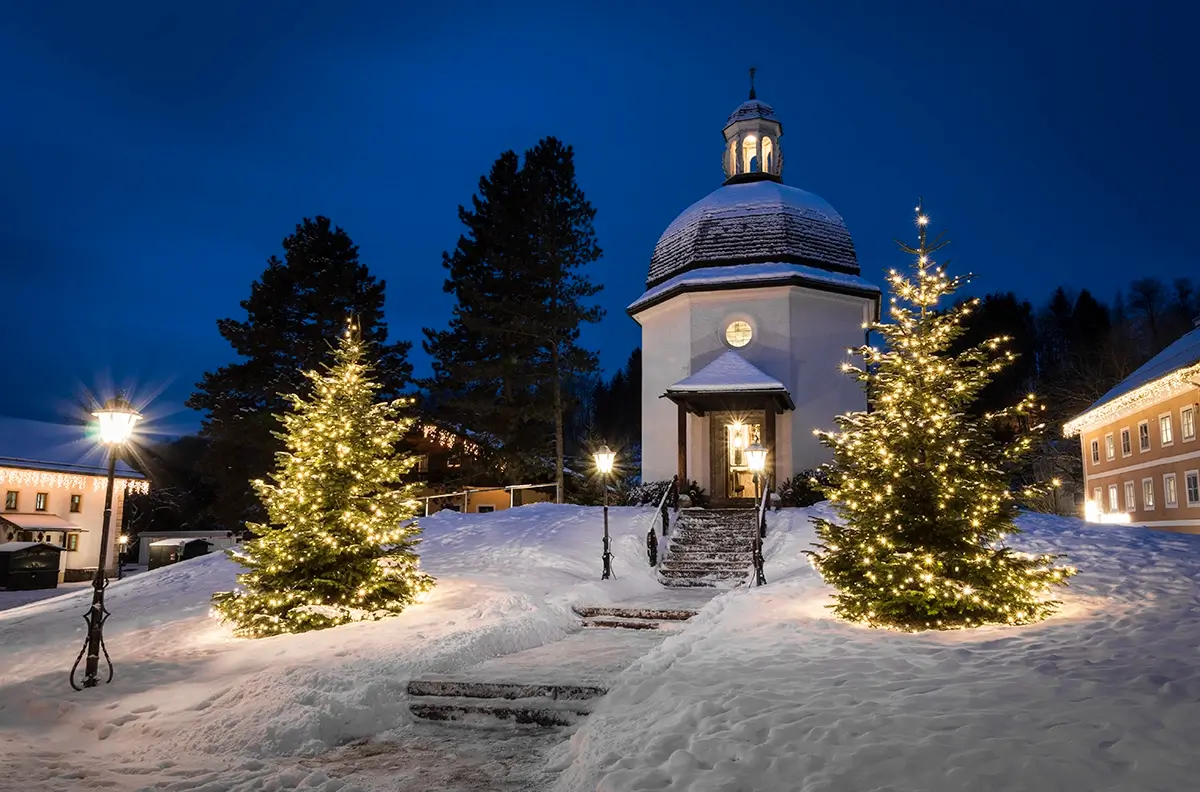
Stille-Nacht-Kapelle-The Silent Night Chapel © Tourismusverband-Oberndorf
Original German lyrics and the English Translation
Stille Nacht! Heilige Nacht!
(Silent night! Holy night!)
Alles schläft; einsam wacht
(All are sleeping, alone and awake)
Nur das traute heilige Paar.
(Only the intimate holy pair)
Holder Knab im lockigten Haar,
(Lovely boy with curly hair)
Schlafe in himmlischer Ruh!
(Sleep in heavenly peace!)
Schlafe in himmlischer Ruh!
(Sleep in heavenly peace!)
Text: Joseph Mohr, 1816
Melody: Franz Xaver Gruber, 1818
Nativity Scenes
Nativity scenes, or Krippen, are another cherished Advent tradition in Austria. From small handmade sets to life-size displays, they depict the birth of Jesus with intricate detail. Visitors will find nativity figures for sale at Christmas market stalls, often carved from wood in traditional Alpine styles.
Some destinations take this tradition further:
♥ Mörbisch in Burgenland hosts the world’s largest nativity scene on the Seebühne lake stage, a spectacular 90-metre-wide light installation.
♥ Vienna’s Rathausplatz Christmas Market features a Nativity Trail with life-size displays.
♥ Wolfgangsee Strobl transforms into an enchanting Nativity Village, and in St Wolfgang, the Nativity scene with more than 70 life-size figures is scattered around the village
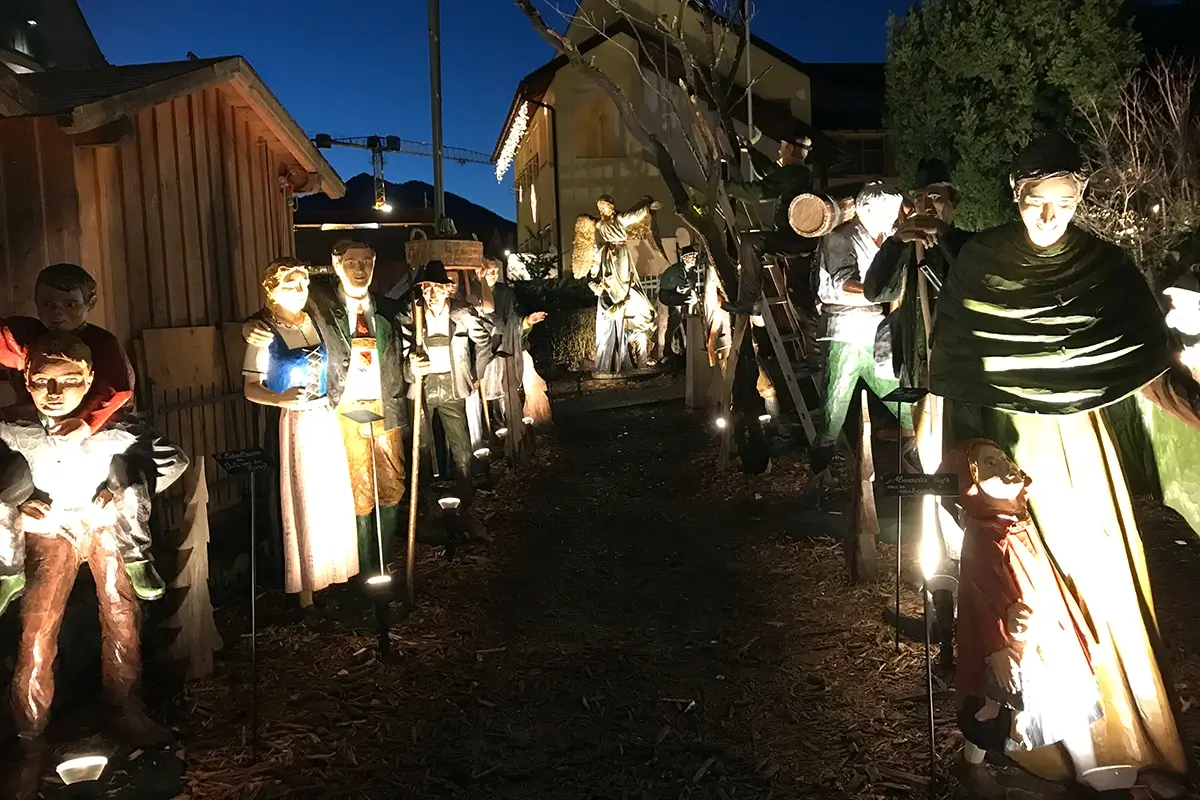
Nativity scenes in Wolfgangsee
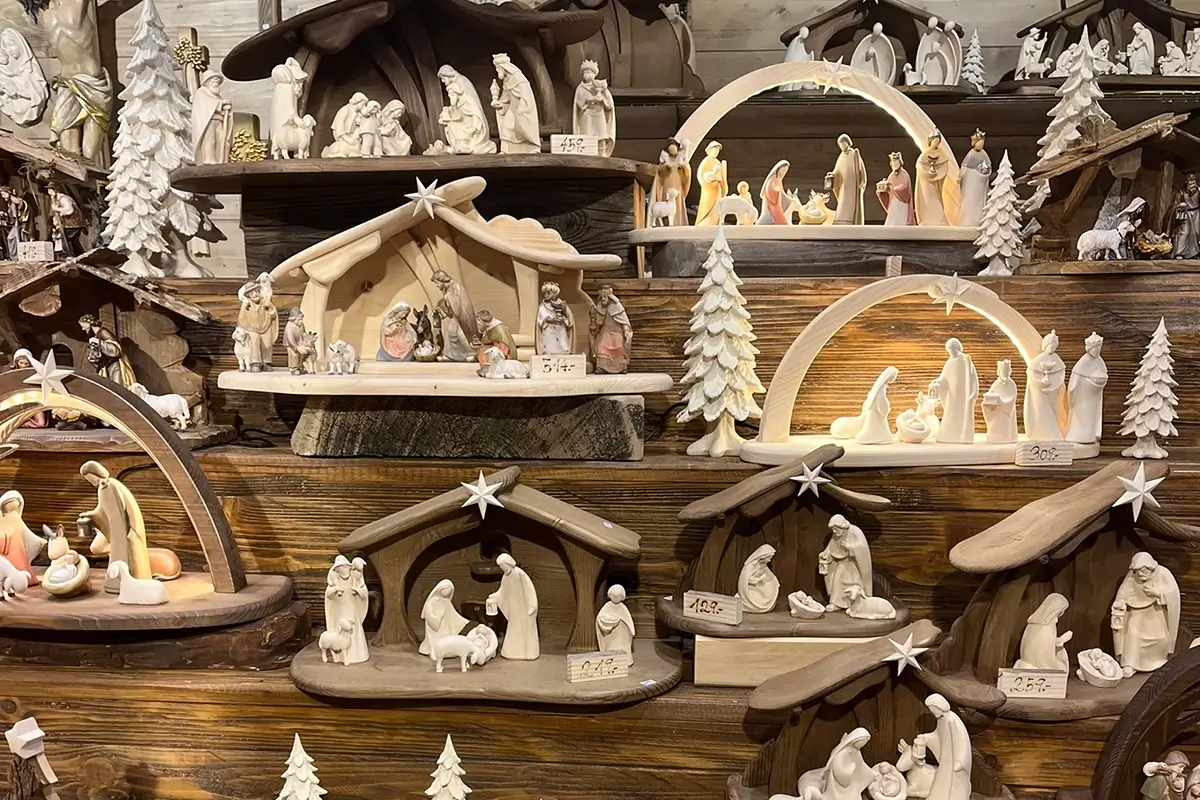
Typical wooden Krippen-Nativity pieces, ypi can buy at Christmas Markets.
St Nikolaus and Krampus
On 6 December, Austrians celebrate St Nikolaus Day. The evening before, children leave shoes or boots by the door, which St Nikolaus fills with chocolates, nuts, tangerines, or gingerbread.
In Alpine regions, St Nikolaus is often accompanied by Krampus, a goat-footed, horned, fur-clad demeon figure who punishes naughty children with birch rods or carries them off in baskets.
The night of 5 December features the Krampuslauf (Krampus Run), where men in elaborate hand-carved masks and costumes parade through villages and cities such as Salzburg and Innsbruck. These noisy, fiery celebrations are unforgettable and unique Alpine Advent tradition.
Although not a Viennese tradition, Krampus and St Nicholaus may visit some Christmas Markets.
Read our Krampus Guide to learn more about this very Austrian Advent tradition.
👉 NOTE: Some children may find Krampus scary. There is a lot of noise and flicking of the birch rods. Most events also have a Kinder Krampus (Children’s Krampus).
Perchten
Closely linked and often confused with Krampus are the Perchten, who appear during the harsh nights between Christmas and Epiphany (Three Kings Day on January 6).
The Perchten drive away the evil spirits of winter with hideous faces, the rattling of chains, loud bells on the Rauhnächte at the end of the year.
It is said that the touch of the horses’ tails they carry with them brings good luck.
**Interesting Fact
Almost every Alpine community has its own Krampusverein (Krampus club) responsible for organising the annual Krampus and Perchten festivities.
The heavy costumes are painstakingly handmade, and the hand-carved wooden masks known as “Larven” can cost up to €1000.
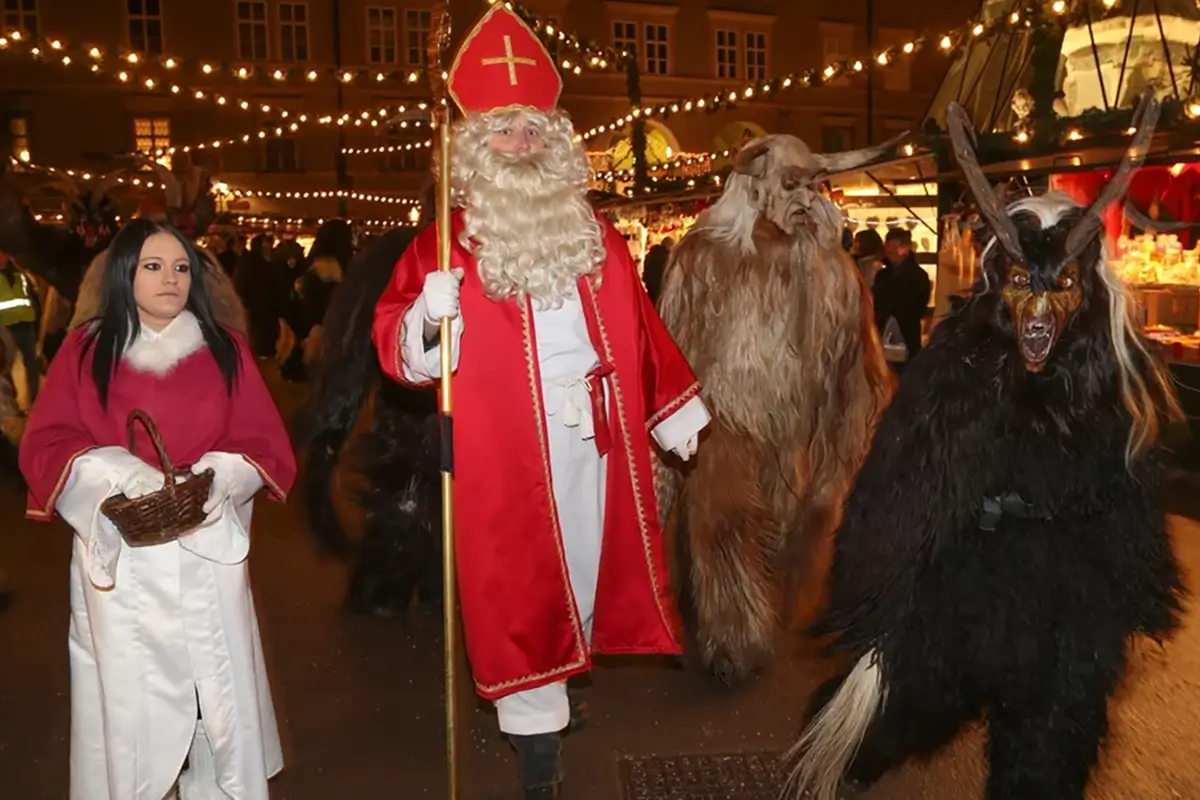
St Niklaus and Krampus
© www.neumayer.cc | www.christkindlmarkt.co.at

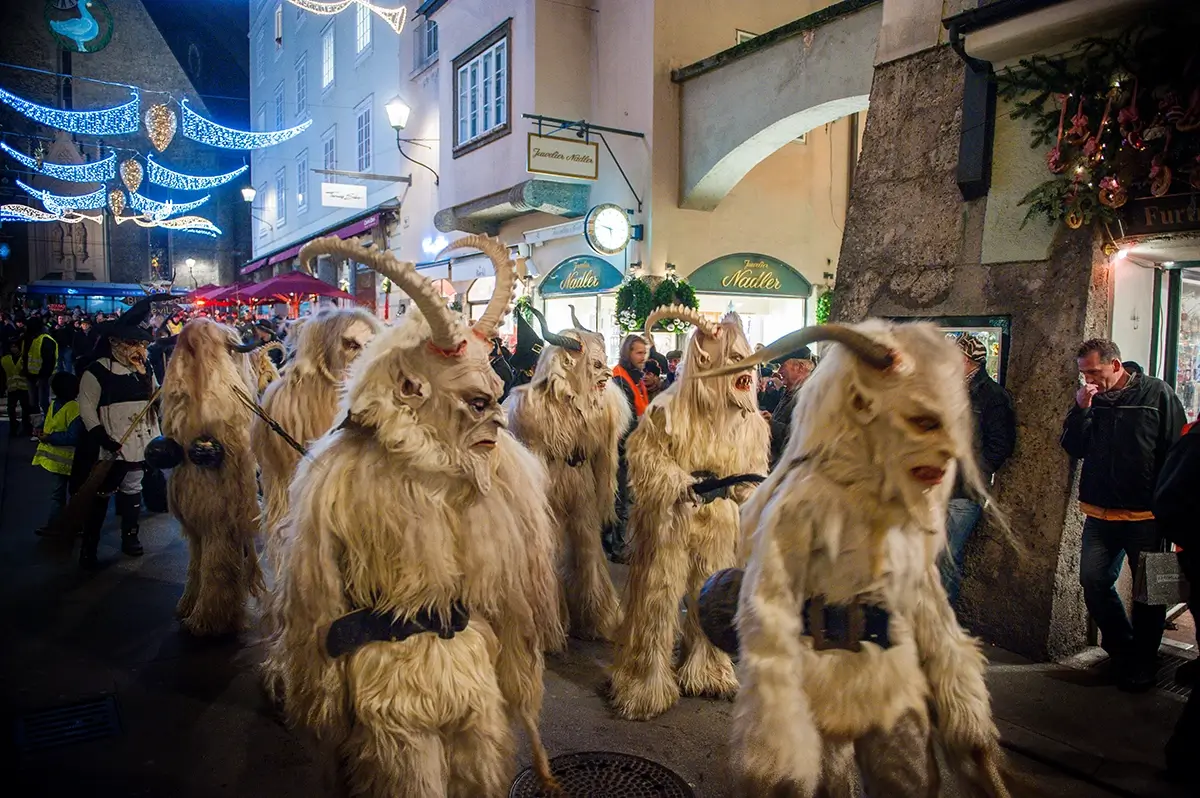
Perchten © Tourismus Salzburg | Breitegger Günter
Christmas Tree
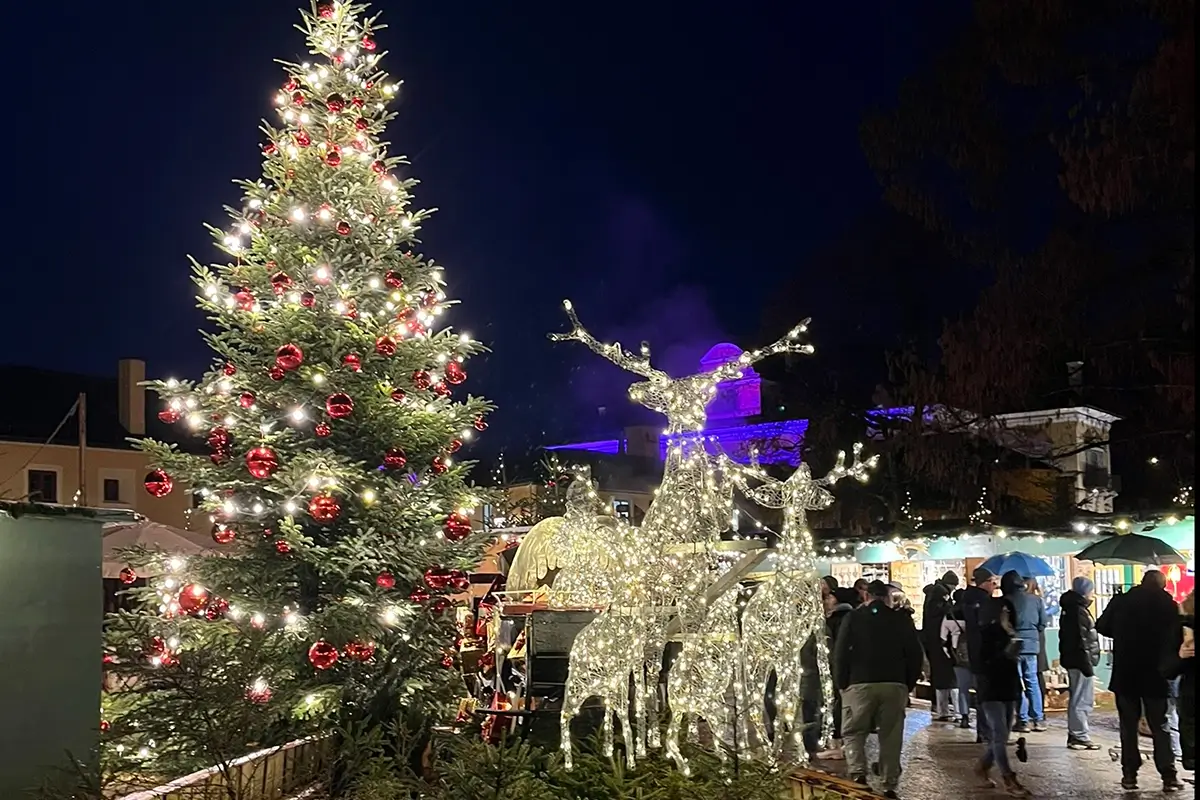
The Christmas tree, or Weihnachtsbaum, is traditionally lit for the first time on Christmas Eve.
Austrians prefer natural trees, often spruce, bought from local farms or stalls that pop up in city centres and other public areas around the Christmas season.
Decorations include gilded ornaments, straw stars, gingerbread biscuits, and candles, creating a warm and nostalgic atmosphere.
The famous 19th-century German carol “O Tannenbaum” (O Christmas Tree) sings the virtues of the Christmas Tree
Christmas Eve
Christmas Eve (Heiliger Abend) is the heart of Austrian festive celebrations.
Starting at 4 p.m., shops and businesses close as families gather for dinner, reflection, and Midnight Mass (Mitternachtsmette). Nowadays, the starting time varies between 10 pm and midnight.
The service is accompanied by hymns and carols, with Stille Nacht sung in churches and homes across the country
The Christkind
You will not find Santa in Austria.
Unlike many countries where Santa Claus brings gifts, in Austria, it is the Christkind—the Christ Child—who delivers presents on Christmas Eve.
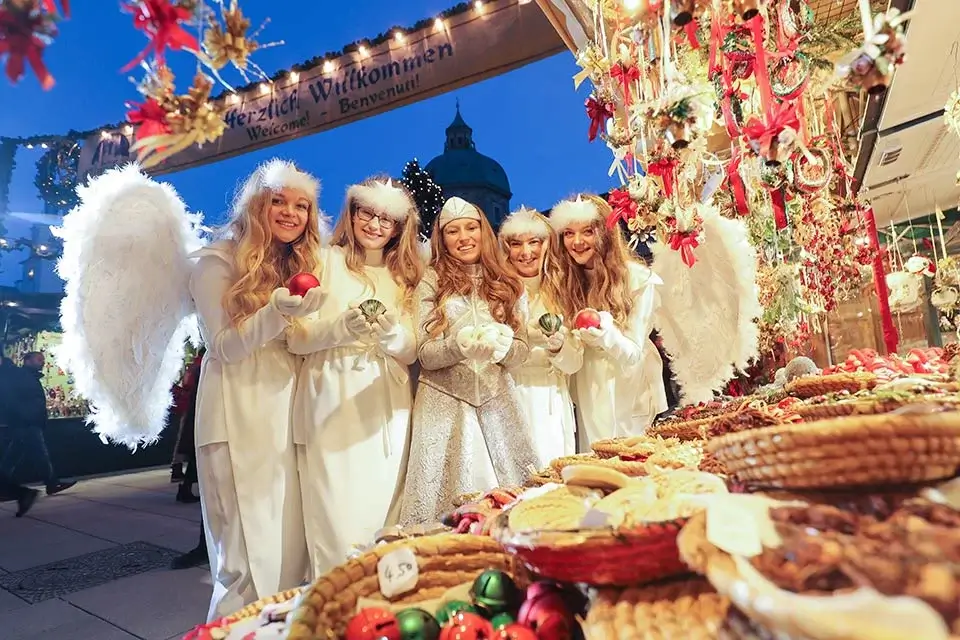
The Christkind is an angel dressed in white & gold, with white, feathery wings, a halo, and blond curls.
The Christkind brings children gifts on Christmas Eve. The Christkind (the Christ Child), is an angel dressed in white & gold with white feathery wings, a halo above its head, and blond curls. The Christkind decorates the Christmas tree, places gifts beneath it, and rings a small bell to let children know it is time to unwrap their presents.
Families often leave a window open to allow the Christkind to come into the house.
© Tourismus Salzburg
This is why Christmas markets are called Christkindlmarkt.
Austria Christmas Eve Dinner
A typical English Christmas dinner, such as ham and turkey, is not part of a traditional Austrian Christmas Eve dinner.
Christmas Eve dinner varies across Austria, with each region boasting its own festive specialities.
Common dishes include:
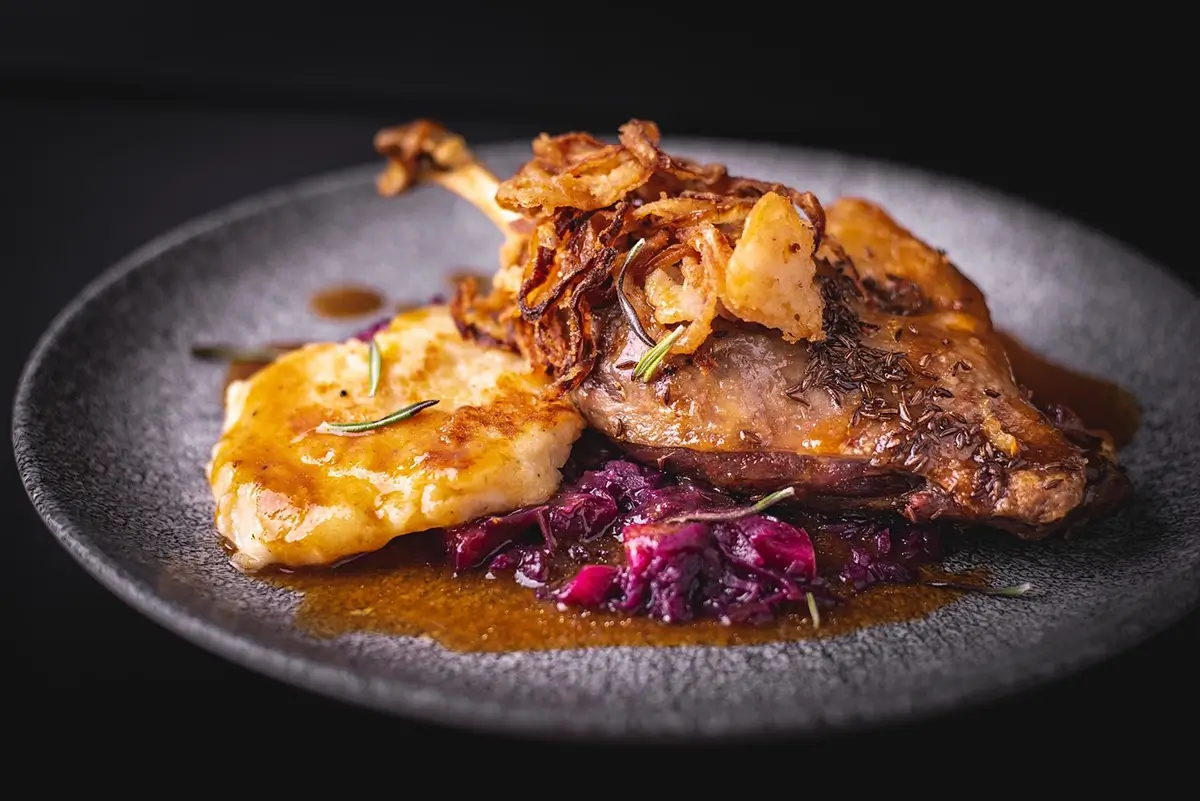
- Carp or roast goose with red cabbage and potatoes is especially popular in Vienna, Burgenland, and Lower Austria.
- Sausage soup, roast pork, fondue or raclette are popular in Alpine regions.
- Smoked sausages with sauerkraut and bread, a rustic tradition in rural areas.
No Austrian Christmas would be complete without sweet treats, from homemade biscuits to rich pastries.
Christmas traditions in Austria offer a glimpse into a culture where faith, folklore, and family come together in meaningful ways.
From the quiet ritual of lighting Advent candles to the excitement of Krampus runs and the angelic Christkind, the season is full of customs that remain deeply rooted in Austrian life.
For travellers, experiencing these traditions first-hand adds unforgettable magic to any winter journey through Austria.
Austria at Christmas
Traditions
Austria Christmas Traditions
Experience the magic of Austria’s Christmas traditions.
Krampus
Learn about the Krampus Parades (Krampusauflauf) held in Austria’s Alpine villages.
Austria New Year's Eve Traditions
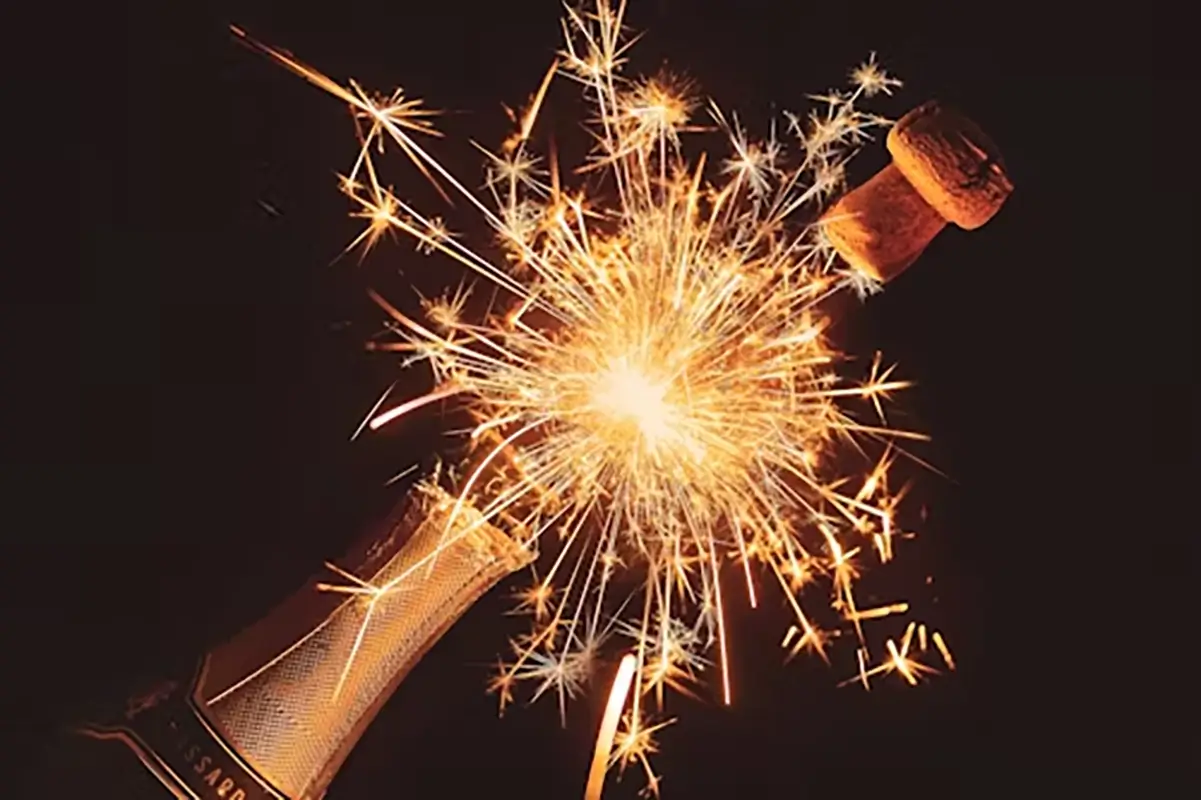
Discover Austria's unique Silvester Traditions.
Where to Celebrate New Year's in Austria
Discover Austria's unique Silvester Traditions.
Planning
How to plan a Christmas Market Trip
The simple 14-step guide for stress-free planning.
Christmas Market Tips
The top Christmas Market tips to help you plan the best trip.
Common Christmas Market Mistakes
Avoid the 16 travel mistakes that could spoil your festive adventure.
Dates & Christmas Market Destinations
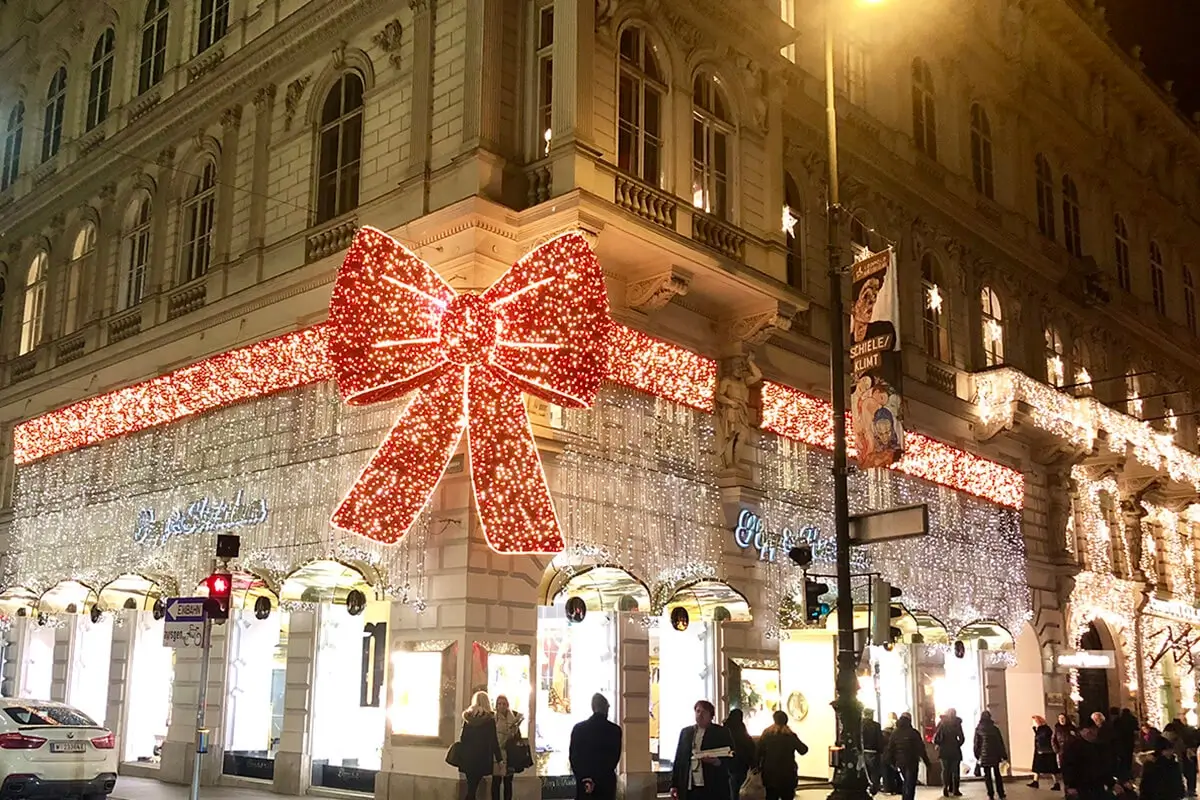
Austria Christmas Market Dates
The 2025 Christmas Market Dates for Vienna, Salzburg, Salzkammergut and Innsbruck.
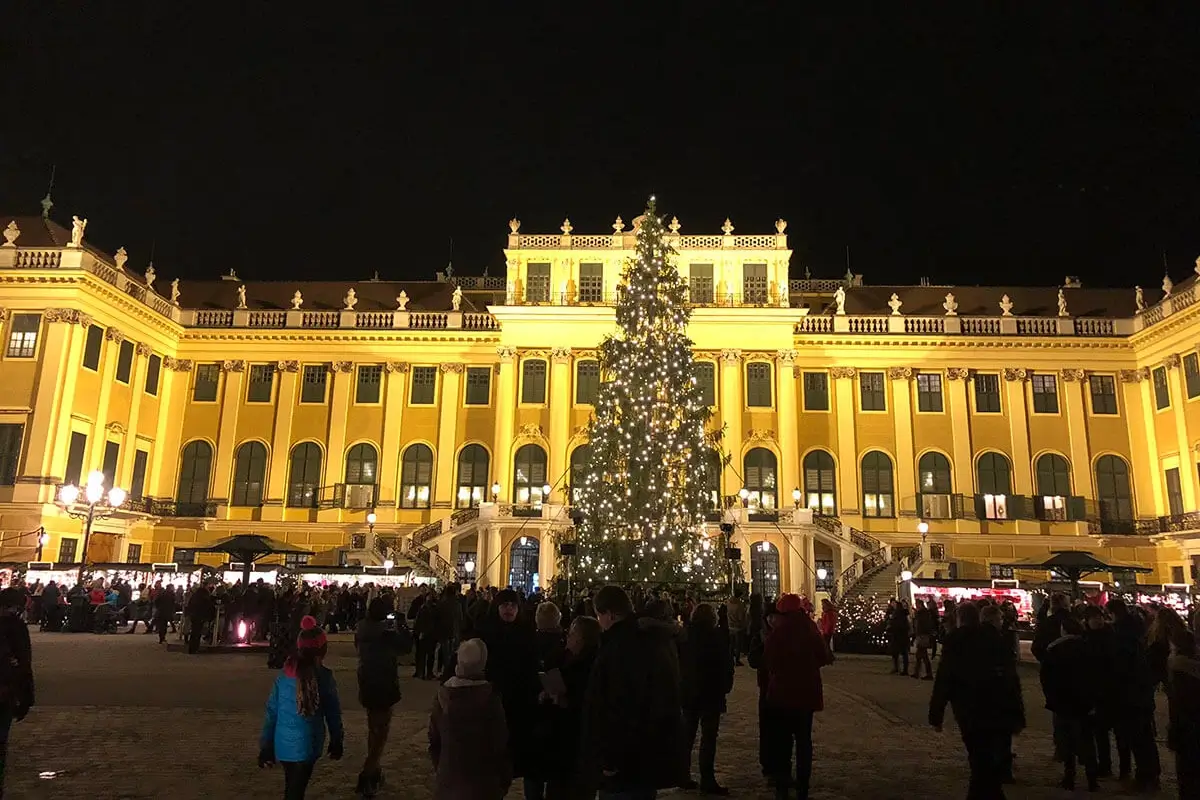
Top Vienna Christmas Markets
The Top 6 Vienna Christmas Markets that you should visit.
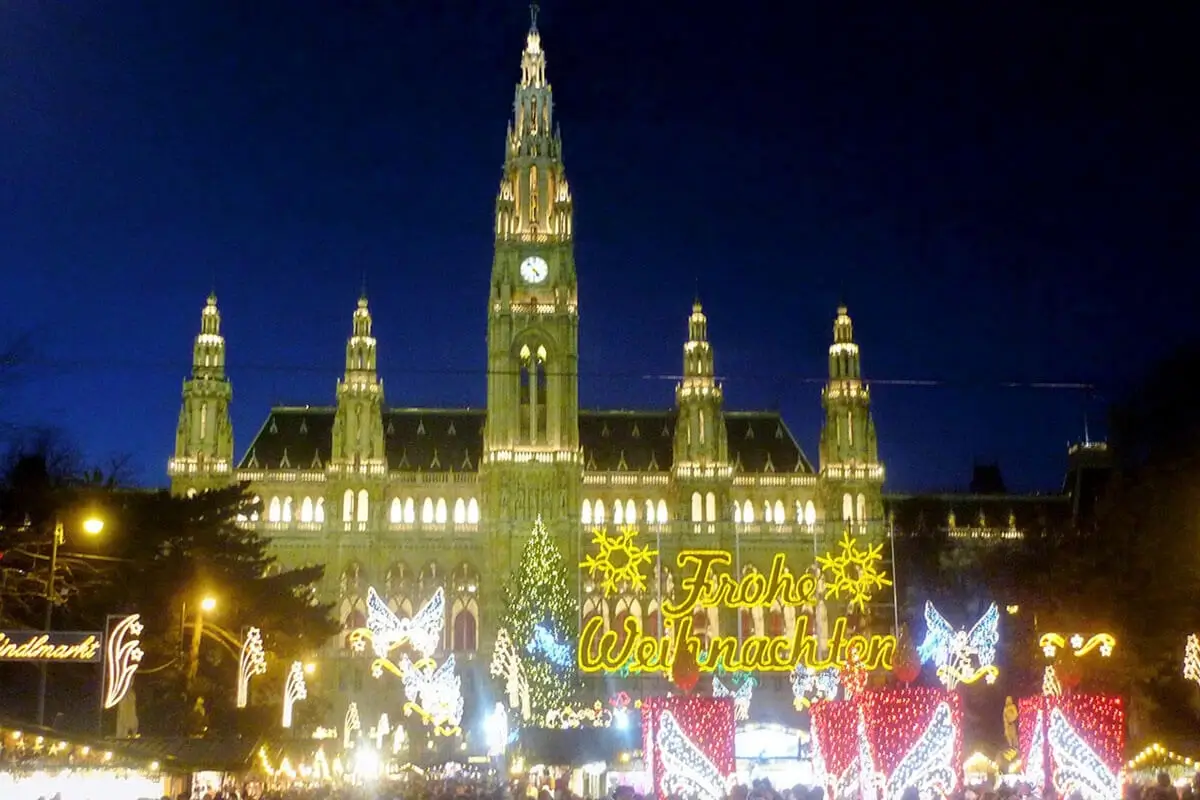
Vienna Christmas Markets Hotel Guide
Where to stay in Vienna while visiting the Christmas Markets
Best Salzburg Christmas Markets
The Top 5 Salzburg Christmas Markets that you should visit.
Christmas Market Tips

Christmas Market Packing List
The guide to what to pack for a European Winter holiday.
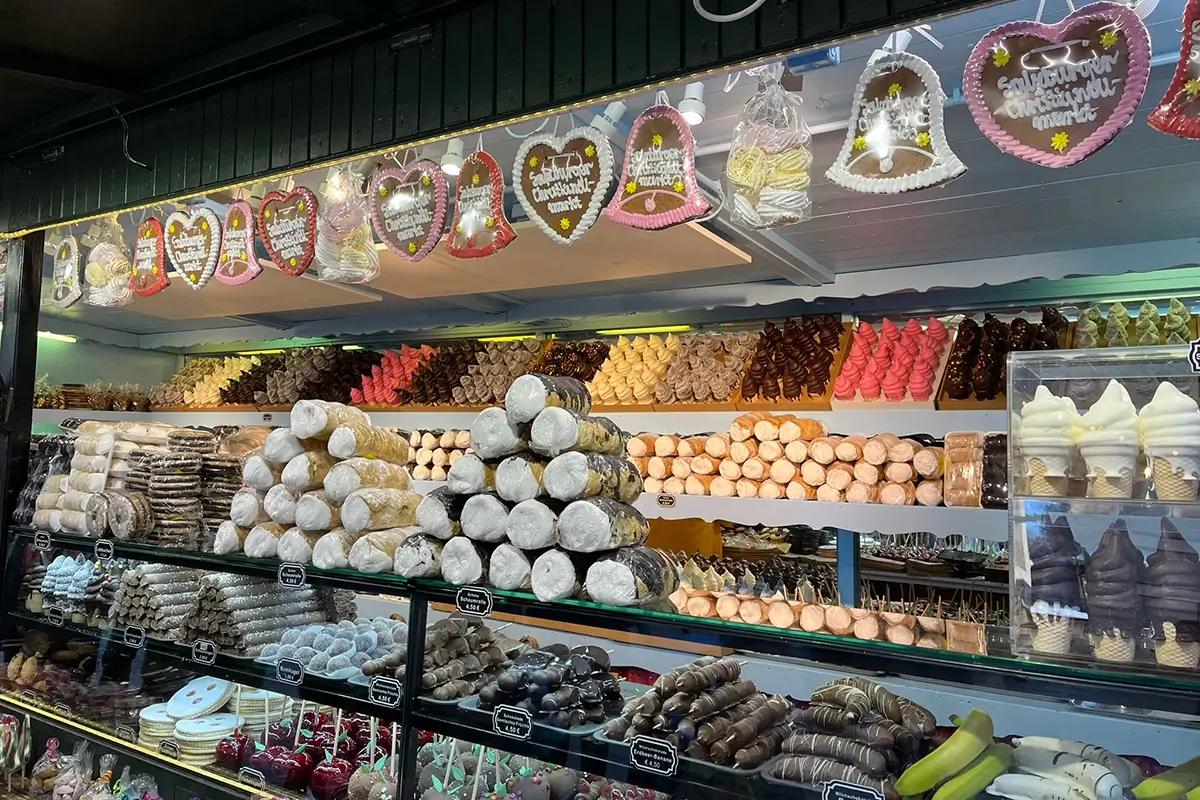
Christmas Market Food Guide
The 16 Must-Try Foods at Austrian Christmas Markets.
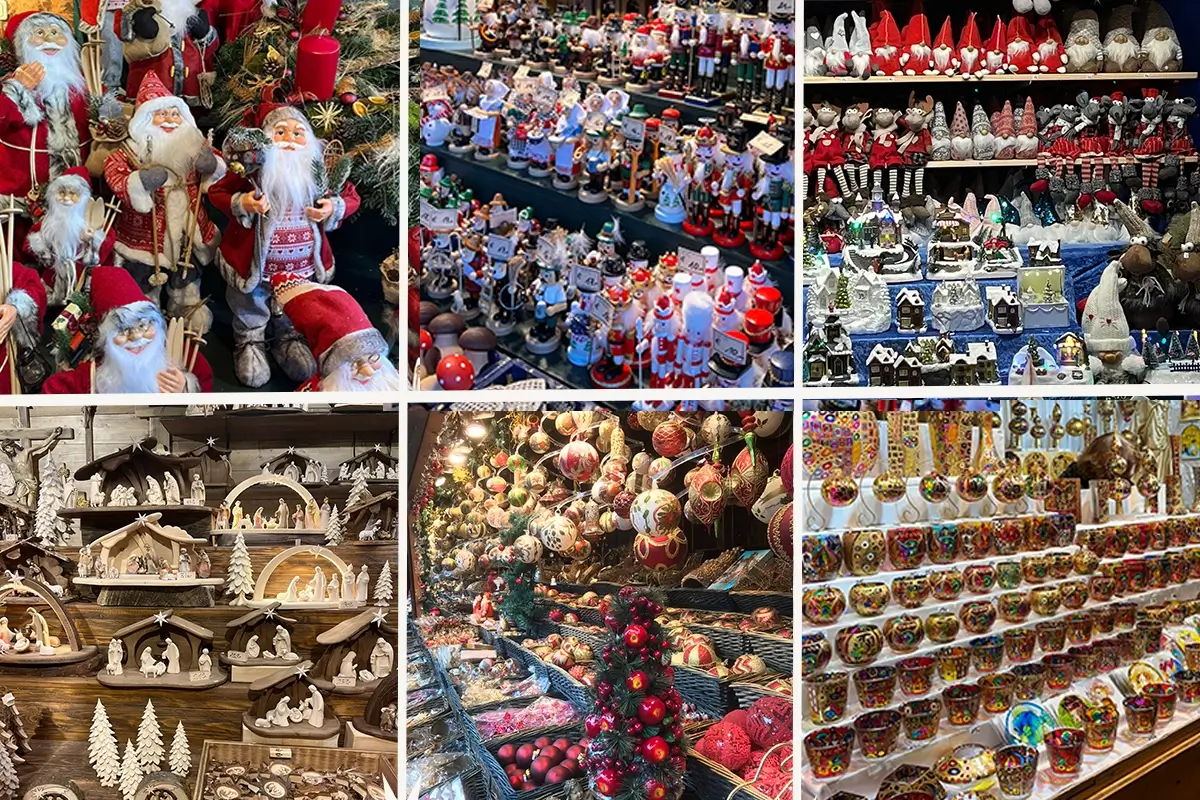
Christmas Market Souvenir Guide
Our top 22 gifts and souvenirs to buy at Austrian Christmas Markets.
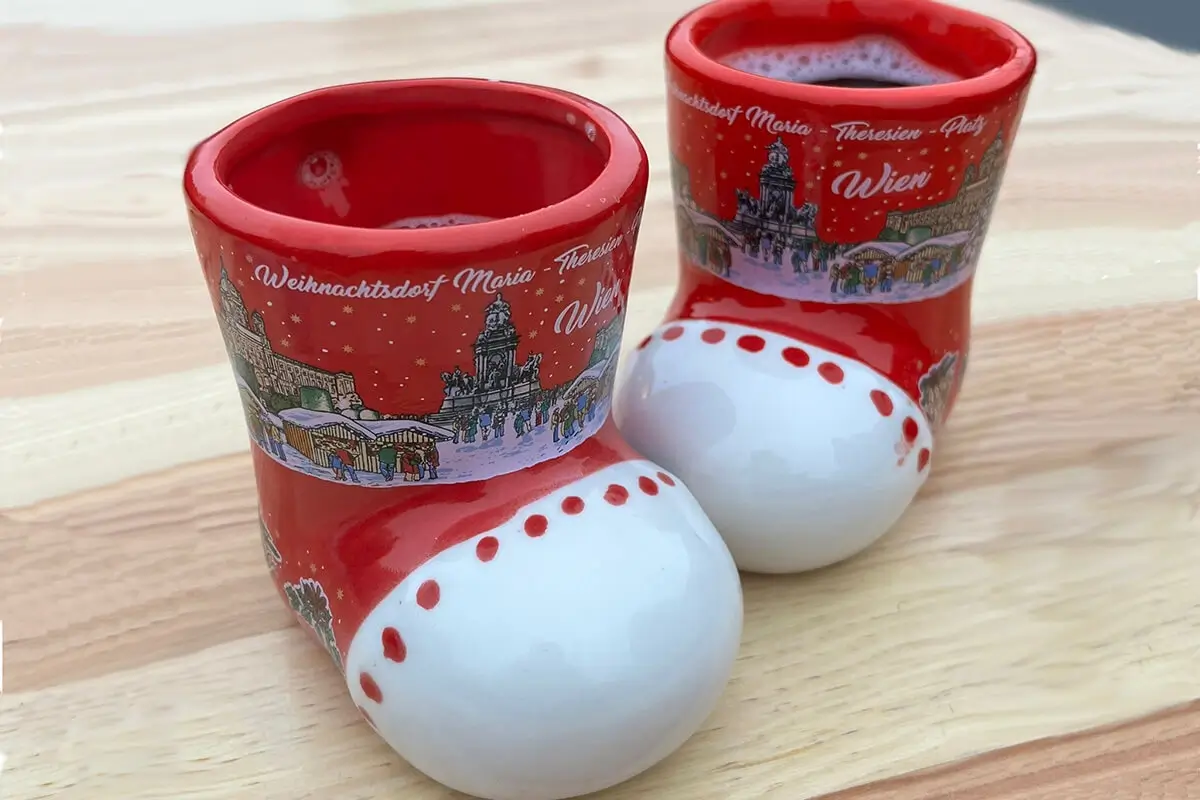
Vienna Christmas Market Mugs
How to buy Vienna Christmas Market Mugs.
Christmas Market Itineraries
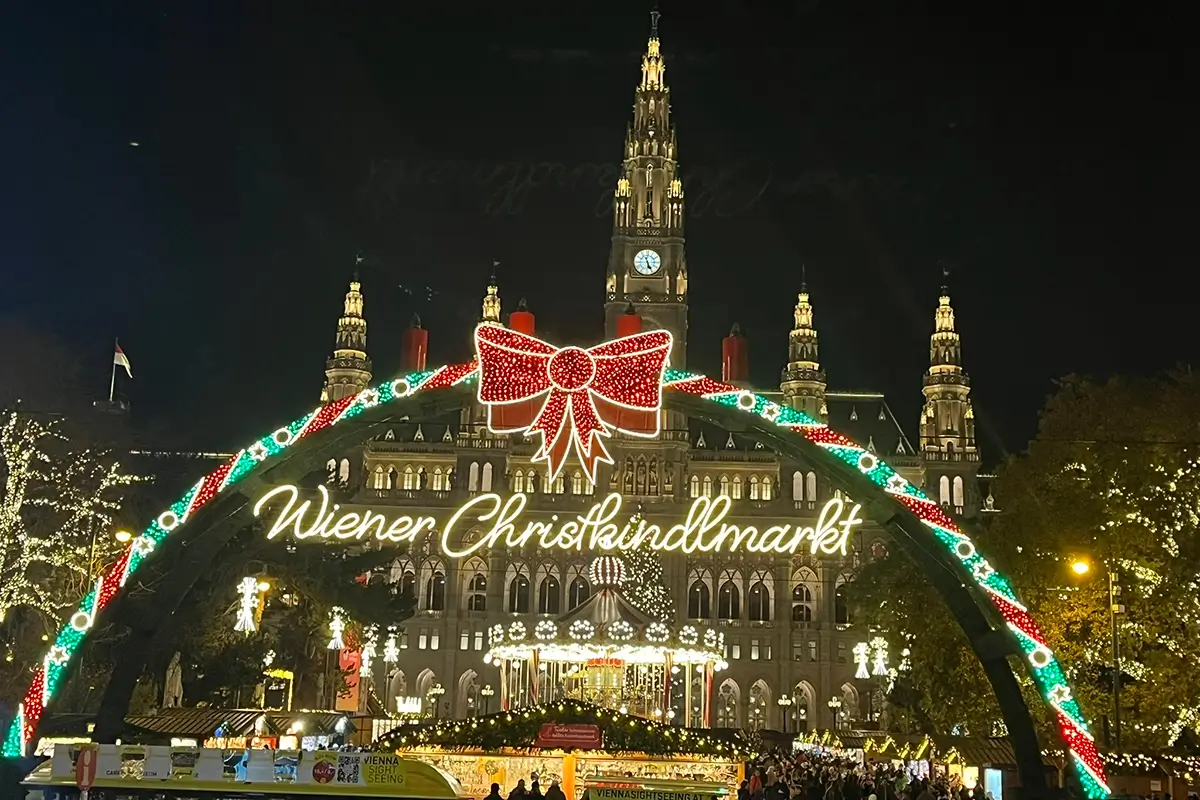
Austria Christmas Market Itineraries
Discover our recommended 5-, 7-, and 14-day itineraries.
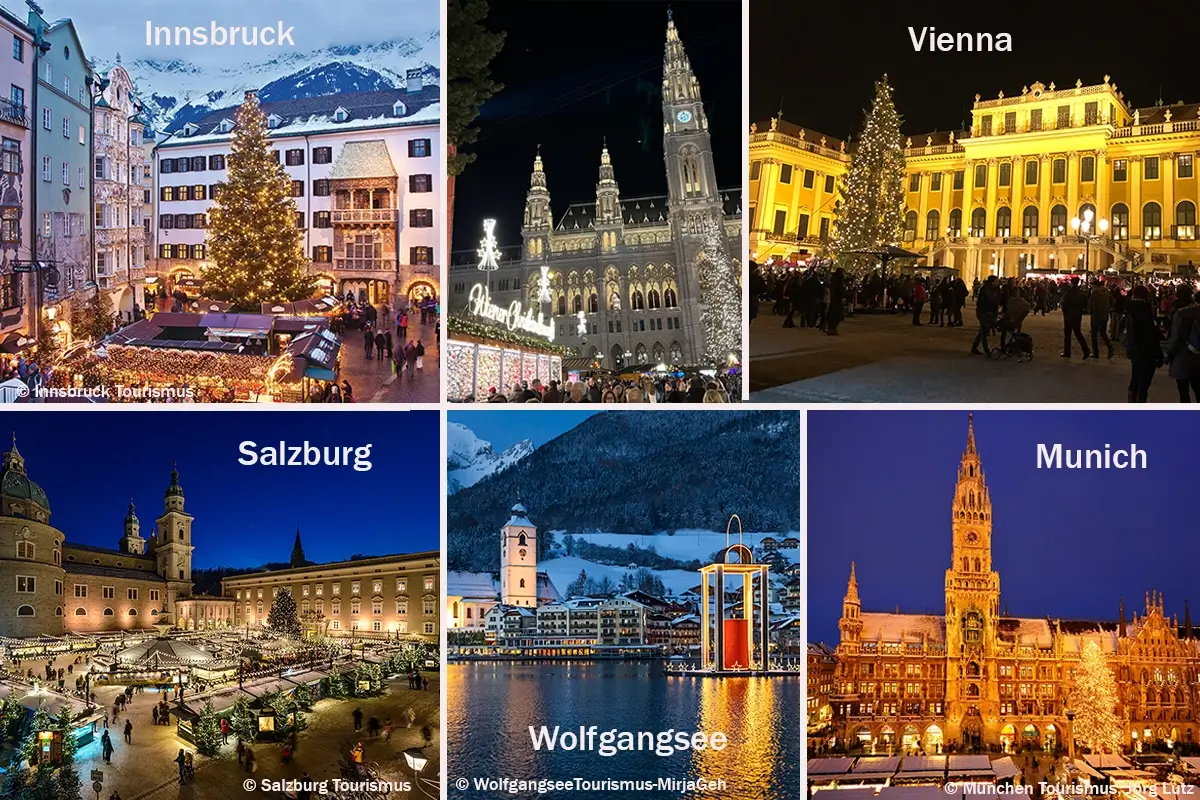
14-Day Christmas Market Itinerary
The ultimate Austria Christmas Market adventure.
7-Day Christmas Market Itinerary
A perfect week-long journey through Vienna, Salzburg, and Innsbruck.
Vienna Christmas Market Itinerary
Buy our PDF guide- all the information to plan your Trip.
Austria Travel Inspiration
Austria at Christmas
Skiing in Austria
Summer in Austria
Austria in Autumn
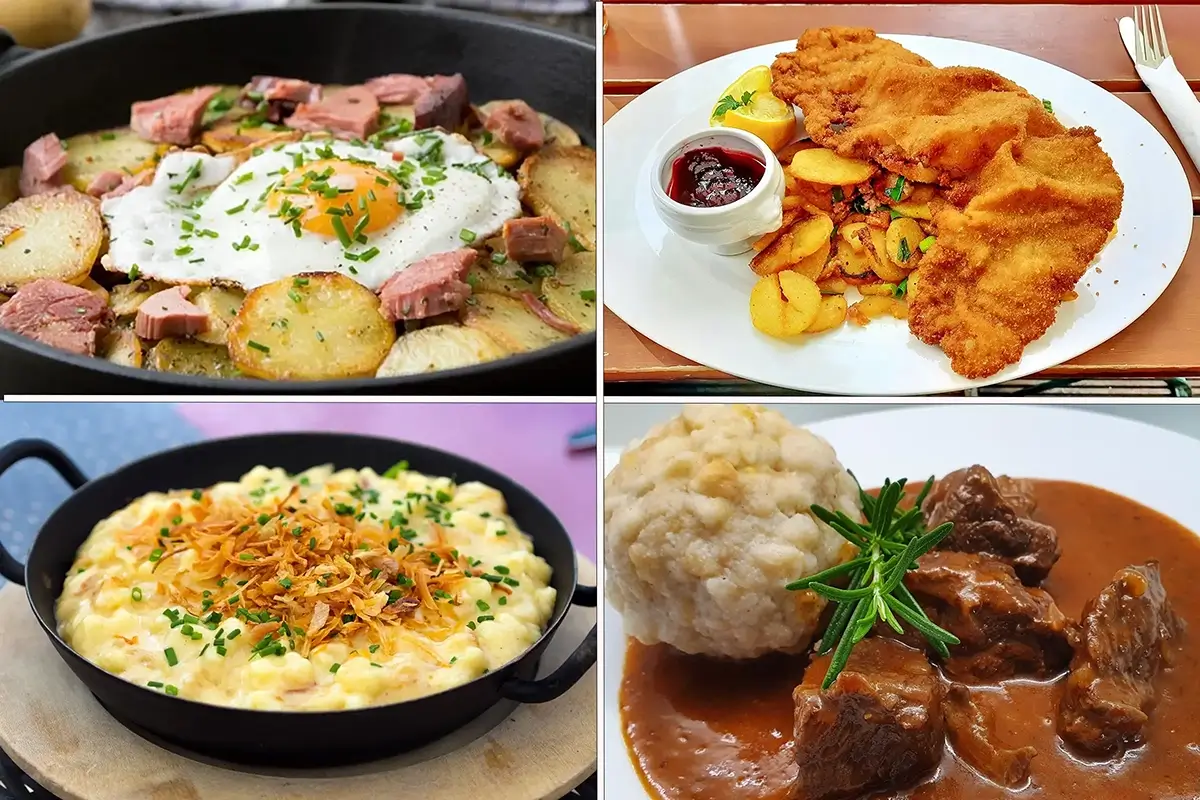
Austrian Cuisine
Wanderlustria's Templates and Guides
Austria Trip Planner
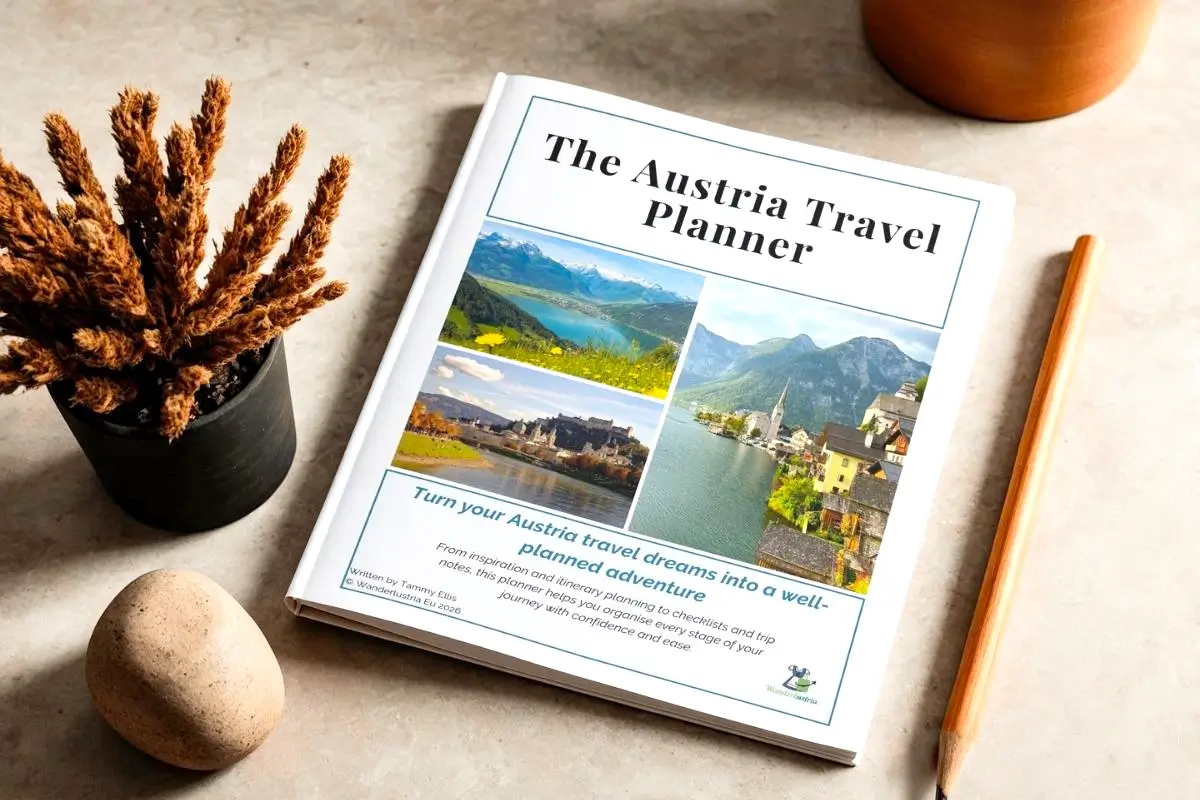
90+ page Austria trip planner printable includes customisable templates and checklists to help you research, compare, and organise every detail. From travel inspiration to planning logistics, this downloadable guide is your one-stop toolkit for the perfect Austrian holiday.
Vienna Christmas Market Itinerary
Our 60+ pages Vienna Christmas Markets Itinerary is a printable PDF guide with all the information you need to plan your Vienna Christmas Markets Holiday- from where to stay, to what are the best Christmas Market Foods and Souvenirs.
Visit our Shop for more information about Wanderlustria's Guides and Templates
Follow AustriaTravelPlanning by Wanderlustria
SAVE this PIN so you can read later

Chief Wanderlust’er and Austria travel expert, I’m on a mission to help you uncover the magic of Austria — from fairytale cities and alpine villages to awe-inspiring landscapes and rich cultural traditions.
As the founder of Austria Wanderlust Travel Planning, the Austria Travel Planning Facebook Group, and director of Wanderlustria eU, I provide trusted tips, local insights, and curated resources to make your Austrian adventure seamless, authentic, and unforgettable.