Austria Travel Tips and Information
Essential Austria Travel Tips – From a Local
Planning a trip to Austria? You’re in the right place.
These Austria Travel Tips, straight from a local’s perspective, cover everything you need to know before you arrive.
As a local, I’ve compiled the most commonly asked questions and combined them with insider insights to give you advice that’s both accurate and practical. This guide focuses on real-world tips, not just tourist fluff—so you can travel smarter and experience Austria like a local.
What You’ll Find in This Guide
This isn’t just a generic travel checklist. These Austria Travel Tips are based on real experience and are here to answer your most important questions, like:
- Are there any language barriers?
-
What are the usual shopping hours?
- What’s the tipping culture in Austria?
-
If you are sick, where can you find healthcare?
- What type of electrical plug do I need?
Whether you’re visiting Vienna, Salzburg, or the Alps, the tips shared come from years of living in and exploring Austria.
This article may contain compensated links. See our full disclaimer here. If you purchase through any of these links, we may earn a small commission at no extra cost to you. The commissions help us provide valuable travel tips and guides for free. Thank you!
All images are copyright Wanderlustria Eu unless otherwise stated
Join the Austria Travel Planning Facebook Group
Follow us on:
| Language: |
German. Austrians speak their own version of German called ‘Österreichisches Deutsch’ (Austrian German). There are many different words in Austrian German; words are pronounced differently, and there are subtle differences in grammar. In addition, Austria has many regional dialects. Many Austrians speak English-especially in tourist locations. |
|
Emergency Phone Numbers: |
Police: 133 European Emergency: 112 Medical Emergency: 141 Ambulance: 144 Fire: 122 |
| International dialling codes: | +43 |
Join our Newsletter
Cash, Credit Cards
| Currency: |
Euro (€) which is divided into 100 cents. There are coins for 1, 2, 5, 10, 20 and 50 cents and €1 and €2 coins. Notes come in denominations of €5, €10, €20, €50, 100, €200 and €500. Payments in Austria are only accepted in Euros € |
| ATMS: |
are called Bankomats and are very common everywhere. There are English instructions and normally a daily withdrawal limit ~400€. Top Tip When an ATM or card machine asks if you’d like to accept an exchange or pay in your currency, ALWAYS DECLINE THE CONVERSION. Always pay in the local currency (Euros) to avoid the exchange rate offered by the machine/ATM, which is always higher than your bank’s conversion rate. |
| Cash: |
Cash is king in Austria. Be prepared to pay with Cash at smaller cafes, bakeries restaurants, and Christmas Markets stalls, etc. This is especially true in smaller towns and villages. You may also need Euro coins to access public washrooms. |
| Credit & Debit Cards: |
Electronic transactions have become more popular, but Credit cards are not ubiquitous (or even popular with Austrians). You should not assume that you can pay everywhere with credit cards, especially for smaller transactions. Smaller shops, cafes, and restaurants in the countryside may not accept cards. Visa and Mastercard are the most widely accepted; however, many places do not accept cards such as Diners Club or American Express. Ensure that your debit card is functional in Austria and check your PIN, as transactions over 50€ may require a PIN in Austria. |
| Contactless Payment: |
Many shops in Austria accept contactless payments by debit or credit card, smartphone or smartwatch. |
Shopping, Shop Hours, Tipping
| Shop Hours: |
SHOPS ARE CLOSED ON SUNDAYS & HOLIDAYS!
|
| Grocery Stores: |
Austrian grocery stores are not as large as those in the US, UK, Canada and Australia- but they have everything you need. The main grocery stores are Billa, Spar, Lidl and Hofer (Aldi in Austria) See the note on Store Hours below. IMPORTANT: 1. You must purchase a reusable bag– grocery bags are not free in Austria. They cost from 0.50-2€ and are located at the check-outs. TOP TIP: It is easier to put your items back in the shopping trolley or basket and pack them after you pay. |
| Tipping: |
Tipping is not as ingrained in Austrian culture as it is in the US. It is not mandatory to tip (trinkgeld), but most people do provide a tip for good service. When tipping, Austrians normally add 5% to 15% to the bill, so it’s rounded up to a convenient number. For example, if the bill was 12.50€, you hand them a 20€ note and say 14€. When you pay cash and do not require the small change, you can say ‘passt schon’ (‘it’s alright’) or “Stimmt so” |
| Shopping: |
The prices displayed is what you’ll pay. The prices include all taxes. |
| VAT/Tax Refund: |
10-20% Tax (VAT) is added to most products and services Several shops in Austria offer a VAT refund on products that you are removing from Austria when leaving the country. Please ask the salesperson whether tax-free shopping applies to the shop in question. |
Healthcare
| Healthcare: |
Austria has one of the best healthcare systems in Europe. Healthcare is accessible to everyone within its borders. EU visitors need to show their E-card. Non-EU Tourists can access Austrian healthcare but usually must pay the total price up-front (which will be refunded by your travel insurance). If you are sick or injured, you can visit a hospital (Krankenhaus) or a Doctor (Arzt/Arztin). Generally, a visit to the doctor can cost 50-100€ per consultation. All doctors and some nursing staff can speak English. Your accommodation provider can direct you to the closest hospital or doctor’s office. If it is not an emergency, you can consult with a Pharmacist for most non-urgent care. (see below) |
| Pharmacy: |
In German, are called Apoteke and are depicted by a green cross on a white background sign. You can only buy medication (including painkillers) in Austria at Apoteken. Pharmacies are usually open from Mon to Fri from 8.00 am – to 6.00 pm (sometimes closed at lunch between 12:00 and 2:00 pm) and from 8.00 am – to 12.00 noon. Outside these times, a pharmacy operates at night and weekends (known as Nachtapotheke). A list of the nearest open pharmacy is posted outside each pharmacy, or you can check on this Website |
| Electricity: |
230 V / 50 Hz Visitors from the UK, Australia and India (+ others) will need an adapter to use Austrian plugs. Plug Type: C and F (similar to most of Europe) |
| Internet: |
WIFI is called WLAN (“Veelan” in German) Internet and Wi-Fi are easily accessible in most urban areas and are increasingly free in many public spaces. Most hotels and numerous cafes, bars, and restaurants provide free Wi-Fi. |
| Mobile Phones/Cell Phones: |
Austria has a well-developed communications infrastructure. Several mobile phone providers offer national coverage. In populated urban areas, there is a good mobile signal, but in rural areas, the signal may fluctuate. Check data roaming charges for Austria with your service provider before leaving home as these can quickly become very expensive. |
| Post/Mail: |
Austria’s postal system (Österreichische Post) is reliable, inexpensive and efficient. Stamps are available at Post offices and Tabaks. |
| Religion: |
Austria is predominantly a Catholic country, with a smaller percentage of Protestantism as well as Muslim populations. |
| Safety & Security: |
Crime levels in Austria are low. However, there is a risk of petty theft, particularly in airports, popular tourist attractions, and on public transportation. Please take sensible precautions to protect your belongings, particularly your passport, money and credit cards. |
| Smoking: |
Smoking is officially banned in public places, but attitudes toward smoking are not as negative in Austria as in countries like the US, UK, or Australia. You will find that Austrians (and Europeans) will ignore the rules and be smoking in most places. |
| Time: |
Austria uses the 24-hour clock. This means 2 pm is 14:00 and 8 pm is 20:00. Note: In German, saying half three (halb drei) means 2.30, not 3.30. It’s halfway to three, not half an hour past two. |
| Time Zone: | The time zone in Austria is GMT+1, 1 hour ahead of London GMT. |
| Weights & Measure: |
Metric. Weight is in grams (g)m kilograms (kg) 1 kg is ~2.2 lbs. |
| Water: |
Austrian tap water is of excellent quality. Unless otherwise advised, you can drink the local tap water. Bottled water can be bought at supermarkets, kiosks, and many shops. |
Wanderlustria's Austria Trip Planning Service
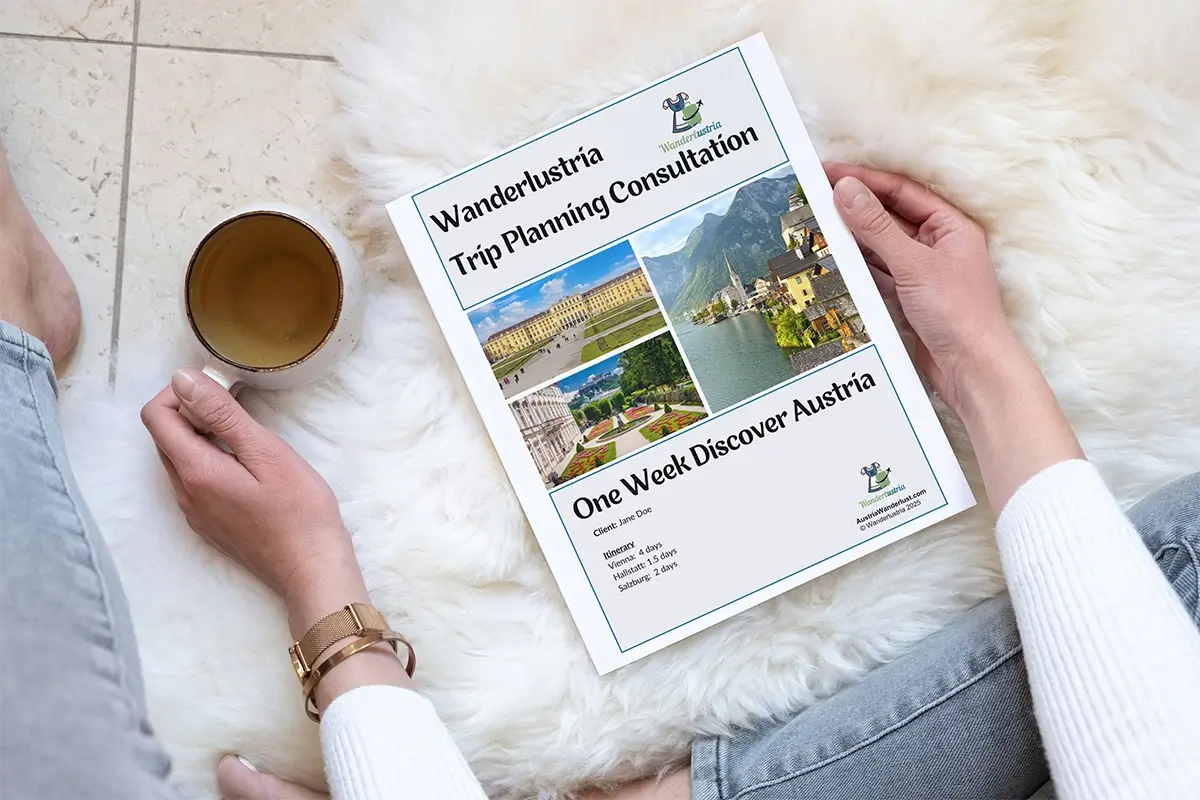
Expert advice to help you plan your Austria holiday.
Book an Austria Trip Planning Consultation
We help you plan your dream Austrian holiday.
The Wanderlustria Trip Planning Service provides advice on everything you need to know about planning your holiday to Austria- from hotels to tours, where to get the best tickets, train and road trips and share our favourite places and activities to ensure your Austria holiday is memorable.
Find the perfect Austria Travel Consultation for you
Trip Planning
Click on one of the topics below to start planning your dream trip to Austria.
How to Plan Guide
Austria Travel Tips & Info
Budget for your trip
Accommodation Guides

Transport Guides
Visas and ETIAS
When to Visit Austria
Austria Holidays
Festivals & Events
Mobile Phones in Austria
Austria Travel Tips
Airport and Flying Travel Tips
Europe Packing Tips
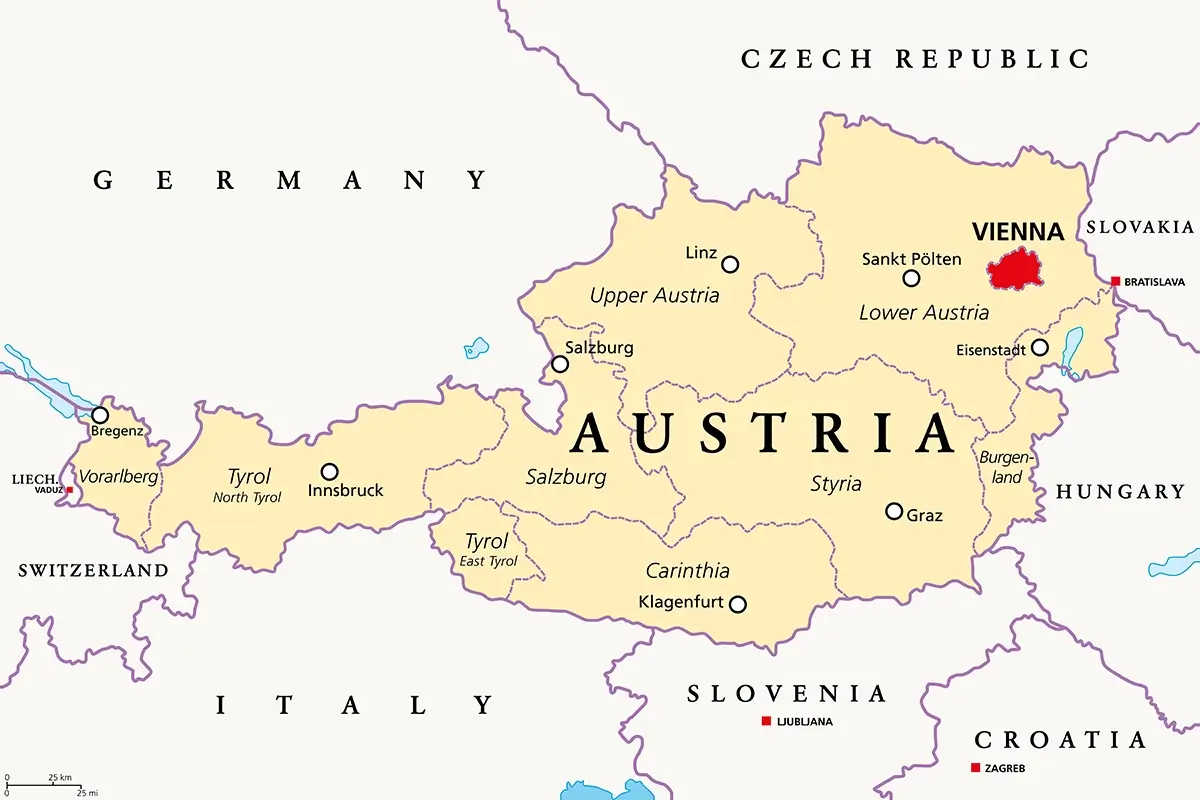
Fun Facts about Austria
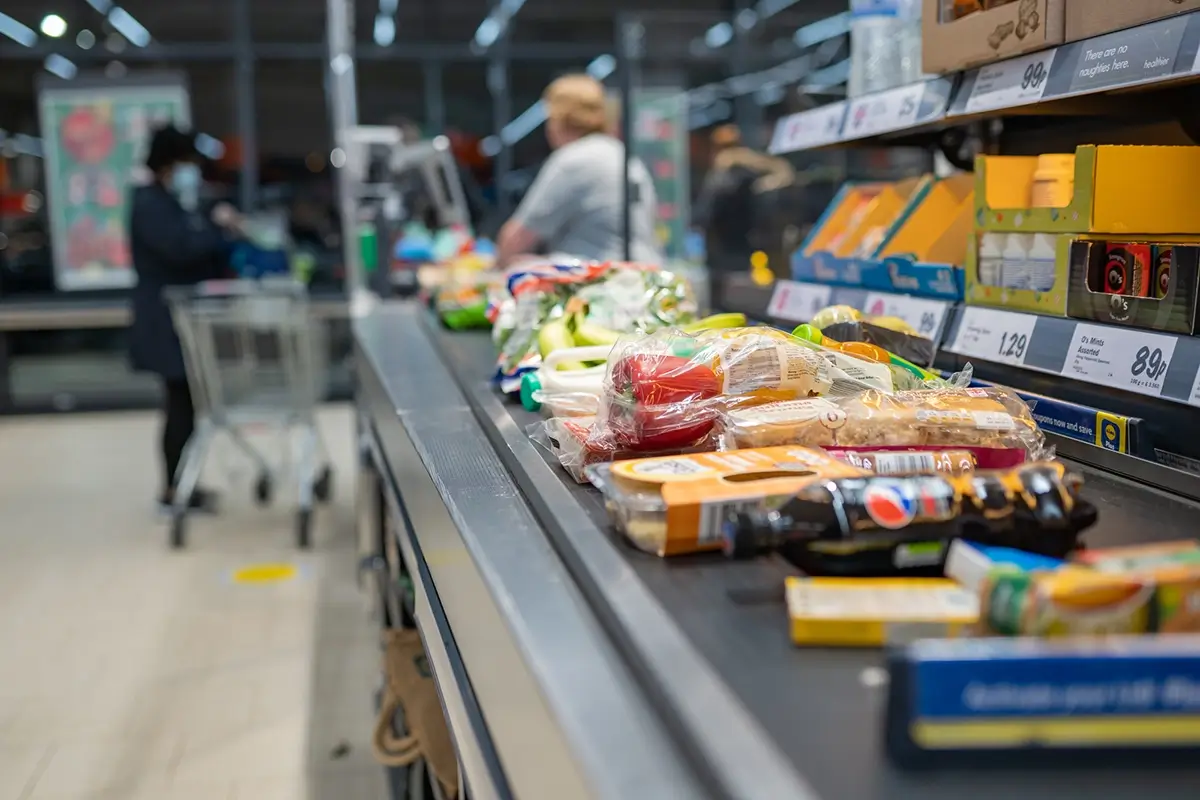
Austria Grocery Store Guide

Top 16 Places to Visit
12 Best Things to Do on a Rainy Day in Vienna

Free Salzburg State Transit Ticket

Austria Summer Cards
Plan your Austrian Holiday
Wanderlustria's Templates and Guides
Austria Trip Planner
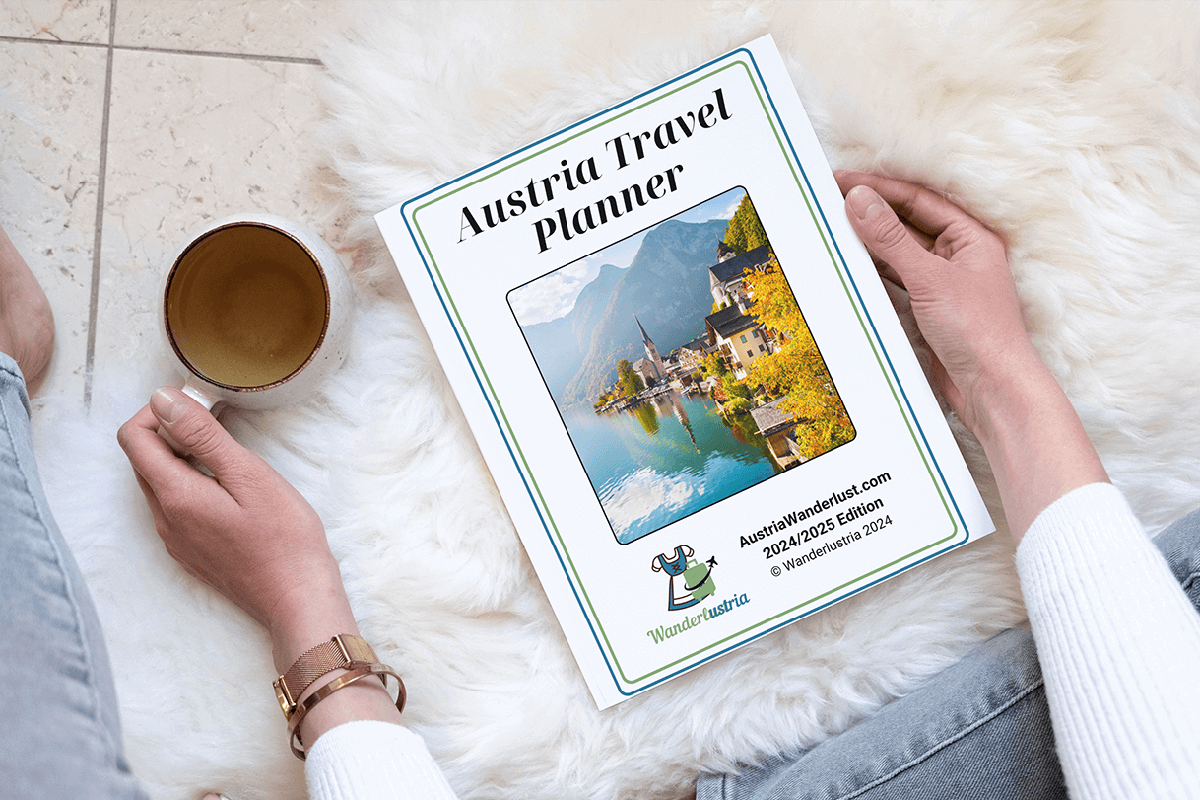
90+ page Austria trip planner printable includes customisable templates and checklists to help you research, compare, and organise every detail. From travel inspiration to planning logistics, this downloadable guide is your one-stop toolkit for the perfect Austrian holiday.
Vienna Christmas Market Itinerary
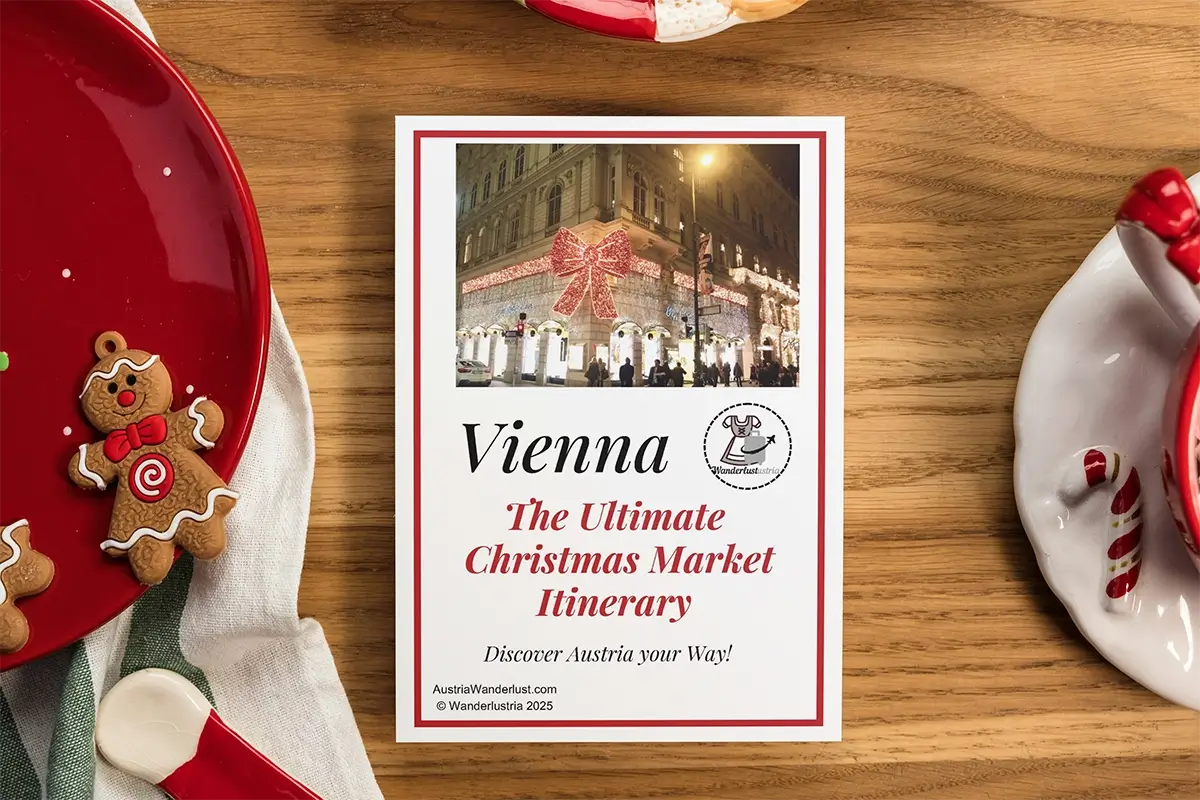
Our 60+ pages Vienna Christmas Markets Itinerary is a printable PDF guide with all the information you need to plan your Vienna Christmas Markets Holiday- from where to stay, to what are the best Christmas Market Foods and Souvenirs.
Visit our Shop for more information about Wanderlustria's Guides and Templates