Train Information
If you’re wondering whether travelling by Austria train is actually easy, reliable, and worth using for your trip, the short answer is yes — and for most visitors, it’s the best way to get around.
Austria’s train network is fast, well-connected, and surprisingly simple to use, even if you don’t speak German.
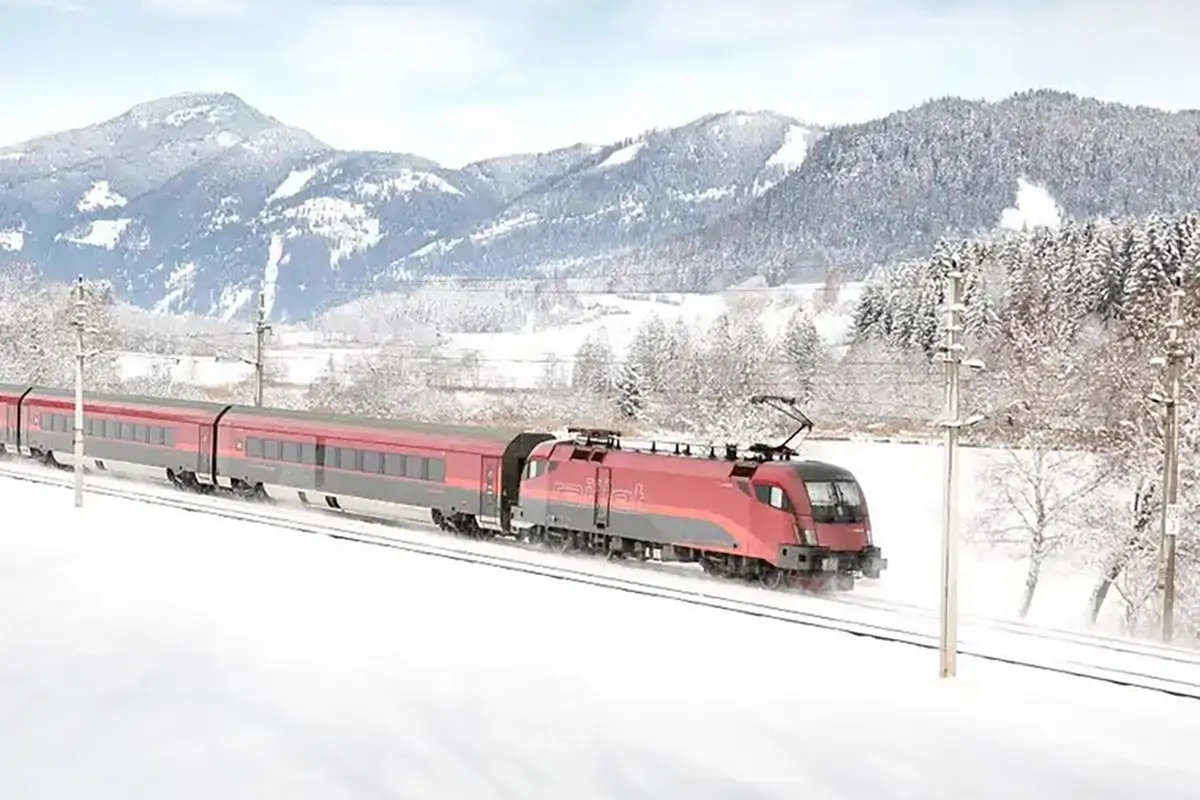
You can travel between major cities like Vienna, Salzburg, and Innsbruck in just a few hours, reach alpine towns without a car, and even cross borders into neighbouring countries with ease.
Trains run frequently, stations are central, and the views alone often make the journey part of the experience.
© ÖBB
I use Austria trains regularly for everyday travel, weekend trips, and international journeys. From booking tickets to choosing the right operator, there are a few things that make train travel here smooth — and a few small mistakes that can make it frustrating. Once you understand how the system works, getting around Austria by train feels effortless.
This page gives you the essentials you actually need to know about travelling by train in Austria, without overcomplicating things.
Sign up to the Wanderlustria Newsletter for Free
Hi, I’m Tammy, the founder of Wanderlustria and the Austria Travel Planning Facebook group.
I live in Austria and travel by train regularly, both within the country and internationally. It’s my go-to way to get around, whether I’m heading between cities, exploring alpine regions, or crossing borders. This advice is based on real, first-hand experience using Austrian trains day to day — what works well, what trips people up, and what visitors usually wish they’d known sooner.
Disclosure: This article may contain compensated links. If you choose to book or purchase through these links, I may earn a small commission at no extra cost to you. These commissions help support Austria Wanderlust and allow me to keep creating detailed, experience-based guides for travelling Austria with confidence. See our full disclaimer here.
To make planning easier, I’ve put together a curated Austria Travel Resources page featuring the tools I personally use and recommend for flights, accommodation, trains, tours, and essential travel services across Austria.
Join the Austria Travel Planning Facebook Group
Follow us on:
Austria Train Travel: Start Here
Everything you need to understand train travel in Austria, with deeper guides linked below if you want to plan like a local.
Train Routes & Connections in Austria
Travelling by train in Austria offers flexibility, comfort, and excellent coverage without the stress of unfamiliar roads, tolls, traffic, parking, or winter conditions.
Whether you’re planning short day trips or a multi-city itinerary, trains let you move around the country easily and comfortably.
Austrian trains are punctual, clean, and well-equipped, with onboard Wi-Fi, power outlets, and scenic views as you travel. From the cosmopolitan heart of Vienna to alpine lakes, mountain passes, and historic towns, the journey often becomes part of the experience rather than just a way to get from A to B.
Popular Austria Train Routes
Some of the most popular routes for travellers are also the easiest to navigate, with frequent services and simple connections.
These are the routes locals like me take: city centre to city centre, hassle-free.
I love settling in with a book, a snack, or even a glass of wine or beer on the longer journeys while the scenery unfolds outside the window.
♦ Vienna to Salzburg: About 2.5–3 hours.
One of the most common routes has frequent trains all day. Smooth, comfortable, and ideal for first-time visitors heading between Austria’s capital and one of its most iconic cities.
♦ Vienna to Innsbruck: Approximately 4.5–5 hours.
Crosses from eastern Austria into the heart of the Alps, offering a scenic journey that highlights why so many travellers prefer trains over driving, especially in winter.
♦ Salzburg to Munich: Around 1.5–2 hours.
An easy international connection, often quicker and more relaxed than flying or driving, with minimal planning required.
♦ Salzburg to Innsbruck: About 2 hours.
A shorter but highly scenic alpine route that’s perfect for day trips or connecting to longer journeys.
These routes demonstrate just how accessible Austria is by train, letting you explore cities and regions comfortably while keeping travel time efficient, relaxed, and enjoyable.
Train Operators in Austria
Austria has two main train companies, ÖBB (Österreichische Bundesbahnen) and Westbahn, both reliable and comfortable, with slightly different strengths.
ÖBB covers the widest network across the country, while Westbahn focuses on key intercity routes with modern trains and good value.
As a local, I use both depending on where I’m going and the cost. Travelling from city centre to city centre is always simple, whichever operator you choose.
ÖBB (Österreichische Bundesbahnen)
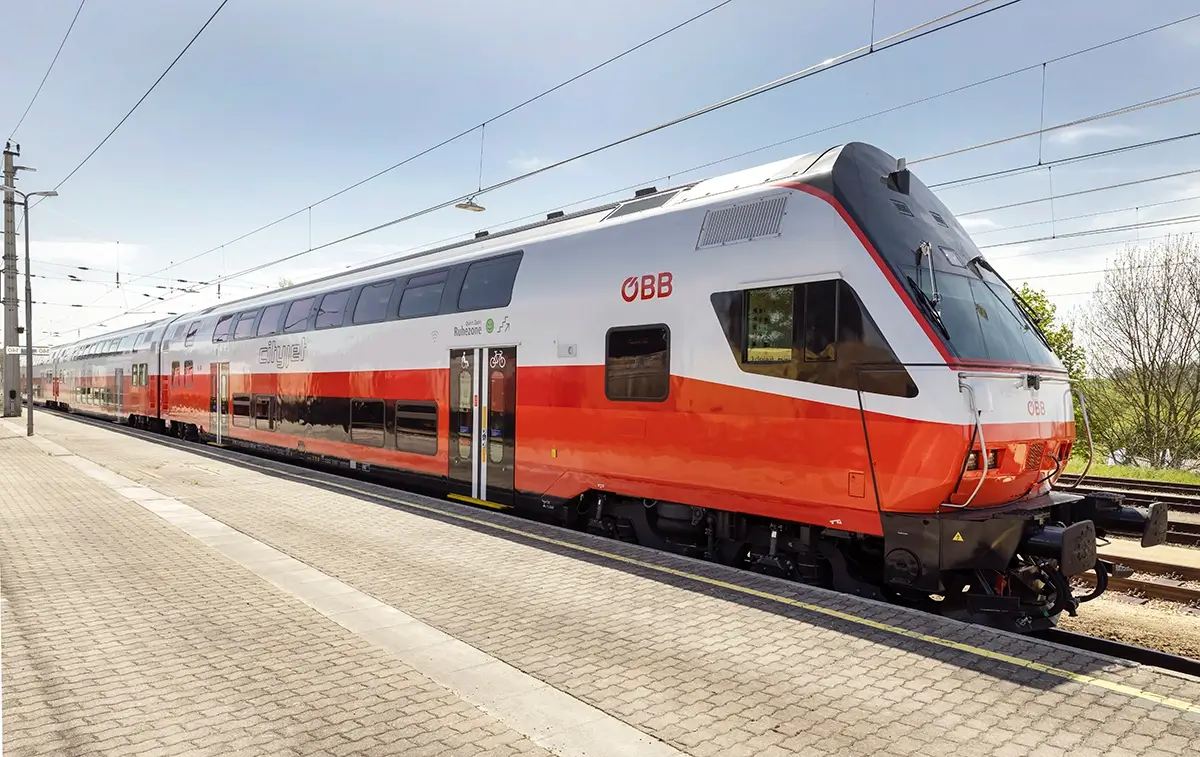
ÖBB is Austria’s national rail operator and the backbone of the entire train system. Its trains connect almost every part of the country, from major cities to smaller towns, with excellent frequency and coverage. ÖBB offers regional, intercity, and high-speed services, making it easy to plan both short trips and longer journeys. The trains are modern, clean, and usually equipped with Wi-Fi and power outlets, so you can work, read, or simply enjoy the scenery along the way.
ÖBB Train Guide – Explore the full ÖBB train network and plan your journey like a local
© ÖBB
© Westbahn
Westbahn
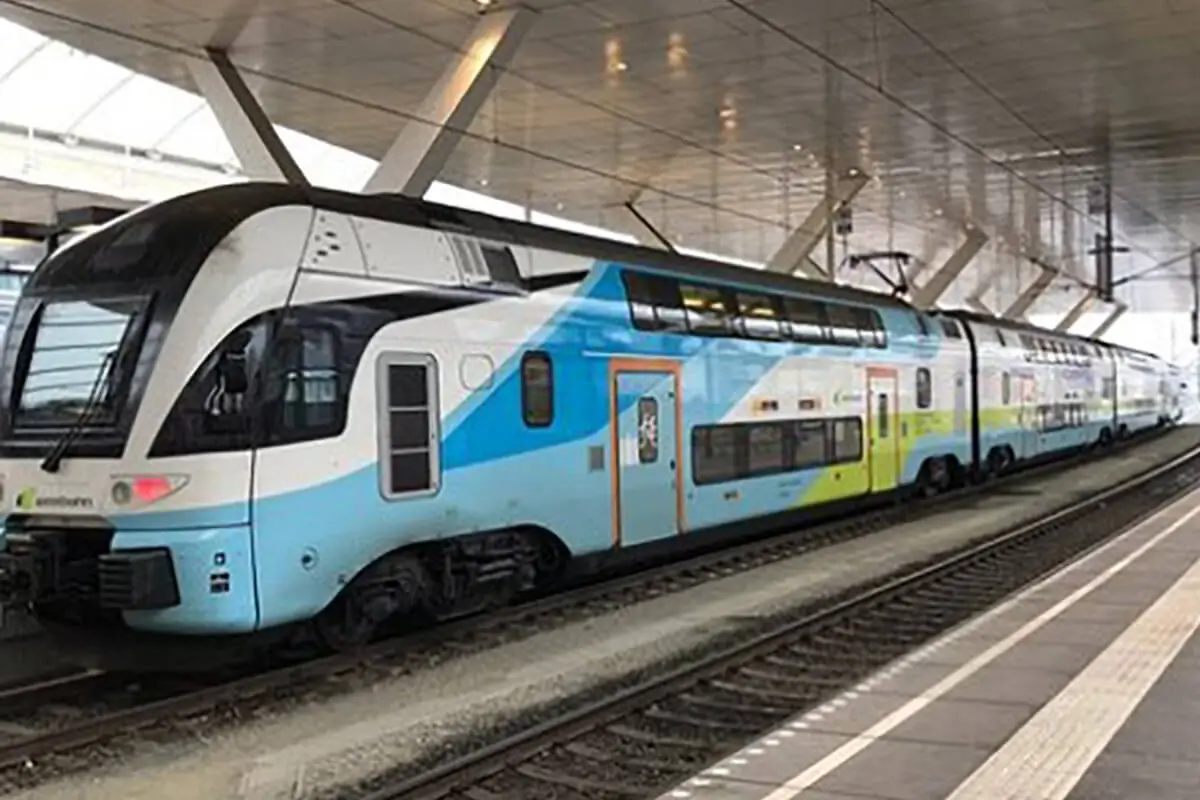
Westbahn is a private rail company operating key intercity routes, mainly connecting Vienna with western Austria.
Its modern double-deck coaches provide comfortable travel, and the service covers cities such as Linz, Salzburg, Innsbruck, Bregenz, and Munich in Germany.
In January 2026, Westbahn expanded from Salzburg to Zell am See.
Starting in March 2026, it will offer five daily services connecting Vienna, Graz, Klagenfurt, and Villach.
Westbahn Train Guide – Discover Westbahn routes, schedules, and travel tips for western Austria
Train Ticket Basics in Austria
Buying train tickets in Austria is straightforward, whether you prefer digital or in-person options.
Major stations like Vienna, Salzburg, Innsbruck, Linz, and Graz have ÖBB service centres and Westbahn ticket desks, while smaller stations rely on ticket machines, mobile apps, or self-service validators.
Machines are widely available, usually offer English-language options, and are perfect for last-minute purchases.
Most travellers book online, which makes it easy to compare schedules, check prices, and store digital tickets for quick verification on board.
Booking directly with ÖBB or Westbahn ensures the most accurate schedules, reliable tickets, and responsive customer service, whereas third-party websites may charge extra fees, provide outdated information, or limit support if plans change.
Third-party apps like Omio, Rome2Rio, or Trainline are useful for researching routes and comparing schedules, but for peace of mind and smooth travel, always purchase tickets directly from the operator.
Using the official ÖBB or Westbahn apps also gives you real-time updates and alerts.
Austria Train Tickets & Fares
Train tickets in Austria vary by fare type and class of travel (Economy, First Class, or Business Class)
Prices generally increase closer to the travel date. Booking in advance usually saves money, while same-day tickets tend to be the most expensive.
ÖBB Train Tickets
Standard Ticket: Fully flexible, valid on any train on your route, ideal for plans that may change. Refunds available before the first day of validity; seat reservations sold separately.
Sparschiene (Budget) Train-specific, discounted fare for travellers with fixed plans. Non-refundable and valid only for the booked train. Seat reservations are optional.
Sparschiene-Komfort: Offers a middle ground with limited flexibility and a discount. Refunds are partially available depending on timing; includes a seat reservation.
Westbahn Train Tickets
WESTflexpreis: Flexible ticket allowing travel on any Westbahn service for the chosen day. Priority on flexibility over price.
WESTsuperpreis: Cheapest option if booked in advance, train-specific, seat reservation included. Limited availability.
WESTSeniorpreis: Available online for travellers 65+, up to 50% off WESTflexpreis, includes a seat reservation.
Seat Reservations
A ticket allows travel on a route, but a seat reservation guarantees a specific seat.
Reservations are optional on most trains but highly recommended during busy periods or for long-distance journeys.
Families, groups, or travellers with luggage will find reservations particularly useful.
ÖBB and Westbahn make it easy to add reservations online; Westbahn includes them automatically with most online bookings.
Top Tips for Train Travel in Austria
Travelling by train in Austria is easy, but a few insider tips can make your journey smoother, more comfortable, and less stressful. From understanding ticket types and seat reservations to navigating stations and avoiding common mistakes, these practical tips save time and make the experience more enjoyable.
➡️ Read my essential Austria train travel tips for real-world advice from a local.
Travelling to/from Austria by Train Internationally
Austria’s central location makes it easy to reach neighbouring countries by train.
From major hubs like Vienna, Salzburg, and Innsbruck, you can travel to Germany, Switzerland, Italy, Hungary, the Czech Republic, and beyond without the hassle of flying or driving.
International trains are comfortable, often with dining services, Wi-Fi, power outlets, and generous luggage allowances, making longer journeys enjoyable.
Seat reservations are usually required.
Although Austria is part of the Schengen Area, passport or ID checks can still occur at borders or briefly onboard.
Keep your passport or EU ID handy rather than tucked away in luggage. Some domestic routes, such as Salzburg to Innsbruck, may pass briefly through Germany, so occasional checks can happen even on domestic journeys.
For overnight travel, ÖBB Nightjet trains are a convenient option, connecting major Austrian cities with destinations in Germany, Switzerland, Italy, and beyond.
Travellers can sleep onboard and arrive refreshed, with clearly designated coaches for seating or sleeping.
Plan Your Journey Using Austria Trains
Travelling around Austria by train is straightforward, flexible, and often more enjoyable than driving.
Whether you’re connecting cities, exploring alpine towns, or venturing internationally, the Austrian rail network makes it easy to plan your trip your way.
Use the routes, operators, ticket options, and tips outlined here to make your journey smoother and more comfortable.
For more detailed guidance, check out the Austria Transport Guide to explore all transport options, visit the Austria Travel Planning hub for step-by-step planning.
Follow AustriaTravelPlanning by Wanderlustria
Related Articles
Related
Getting around Salzburg
Salzburg is a compact city and very easy to get around by walking, biking and public transport.
How to get to Salzburg
Salzburg is located between Munich and Vienna, making it easy to travel to Salzburg by plane, train, or long-distance bus.
The Ultimate Guide to Vienna Public Transport
This guide has all the information you need to plan your travel in Vienna- U-Bahn (Metro), Straßenbahn (Trams) or Buses.
Getting to Vienna
Getting to Vienna by plane, train, bus or boat is easy. Here is all the information you need for your journey to Vienna.
FREE Travel in Salzburg State
Travelling in Salzburg State just got easier this summer! Discover the Summer Salzburg Guest Mobility Card that gives you FREE TRAVEL in Salzburg State.
How to travel to Zell am See-Kaprun
Zell am See-Kaprun is one of the most famous ski resorts in Austria. It is also a very popular summer destination. Here is the ultimate guide on how to get to Zell am See-Kaprun by car, bus or train
Renting a Car in Austria
Top tips and hints for renting a car in Austria. Take the stress out of planning your Austria Road Trip with our helpful guide to renting a car in Austria.
Guide to Austrian Vignette and Road Tolls
All Austrian Highways (Autobahn) and expressways (“S” roads) require you to pay a toll. Instead of toll booths, you are required to buy a Austria Vignette.
Top Tips on How to Travel by Train in Austria
Here is the top 12 tips for Train travel in Austria. How to find your platform and carriage, luggage and how to make connections.