How to Plan a Ski Trip in Austria
Planning a ski trip to Austria is an exciting step towards world-class slopes, alpine scenery and welcoming mountain culture.
When you plan a ski trip here, you are choosing a destination renowned for reliable snow, excellent ski schools and well-organised resorts suited to every ability.
From beginners to seasoned skiers, Austria offers a balance of tradition, efficiency and unforgettable winter experiences.
If you want to plan a ski trip in Austria but are unsure where to begin, this step-by-step guide covers everything that matters.
First-time visitors often feel overwhelmed by decisions around resorts, passes, accommodation and travel, yet the process is far simpler than it seems.
With thoughtful planning and local insight, every element can be arranged smoothly.
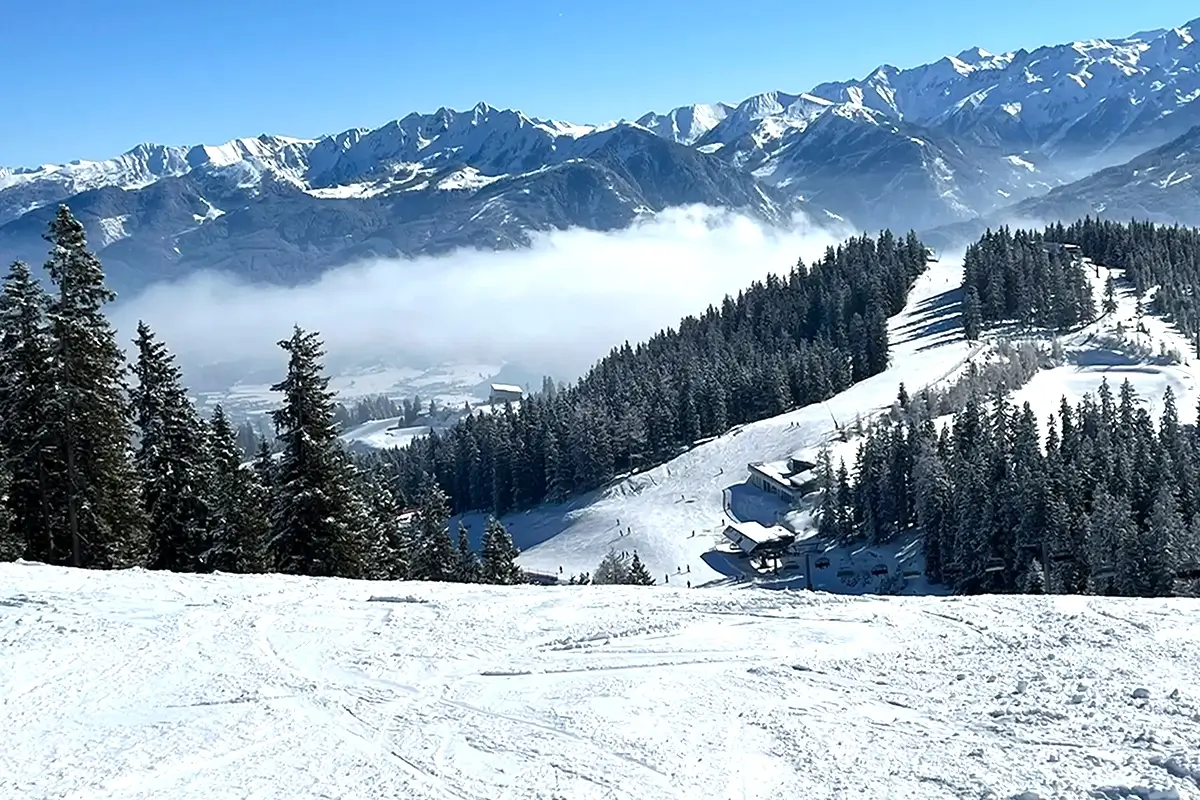
This guide answers the most common questions travellers ask when they plan a ski trip to Austria, using practical advice and proven tips.
Whether you are travelling solo, as a couple or with family, these steps will help you plan with confidence and enjoy the very best of Austria’s ski season. Here are the 10 essential steps to planning your Austrian ski trip.
Hi, I’m Tammy — founder of Wanderlustria and the Austria Travel Planning Facebook Group.
I live in an Austrian ski resort, where winter shapes daily life and ski season is a familiar rhythm rather than a once-a-year event.
Living in the Alps has given me first-hand knowledge of how to plan a ski trip in Austria that actually works, whether it’s choosing the right resort, understanding local transport or avoiding common first-timer mistakes. This guide is built on real experience, not theory, and is designed to help travellers plan smooth, confident ski holidays and enjoy Austria’s slopes the way locals do.
Join our Newsletter
Disclosure: This article may contain compensated links. If you choose to book or purchase through these links, I may earn a small commission at no extra cost to you. These commissions help support Austria Wanderlust and allow me to keep creating detailed, experience-based guides for travelling Austria with confidence. See our full disclaimer here.
To make planning easier, I’ve put together a curated Austria Travel Resources page featuring the tools I personally use and recommend for flights, accommodation, trains, tours, and essential travel services across Austria.
Join the Austria Travel Planning Facebook Group
Follow us on:
Start planning your ski holiday at least six months to one year in advance.
Accommodation in Austria’s most popular ski resorts is often fully booked well ahead of the season, especially in peak winter periods, so early planning gives you the best choice and value.
1. Decide when to go skiing
One of the advantages when you plan a ski trip to Austria is the wide choice of snow-sure resorts, allowing you to select dates that suit your schedule and skiing goals.
Most Austrian ski resorts operate from mid-December through to after Easter, depending on snow conditions.
Glacier resorts offer an extended season, typically running from mid-October until late May or early June, making them ideal for early or late-season skiing.
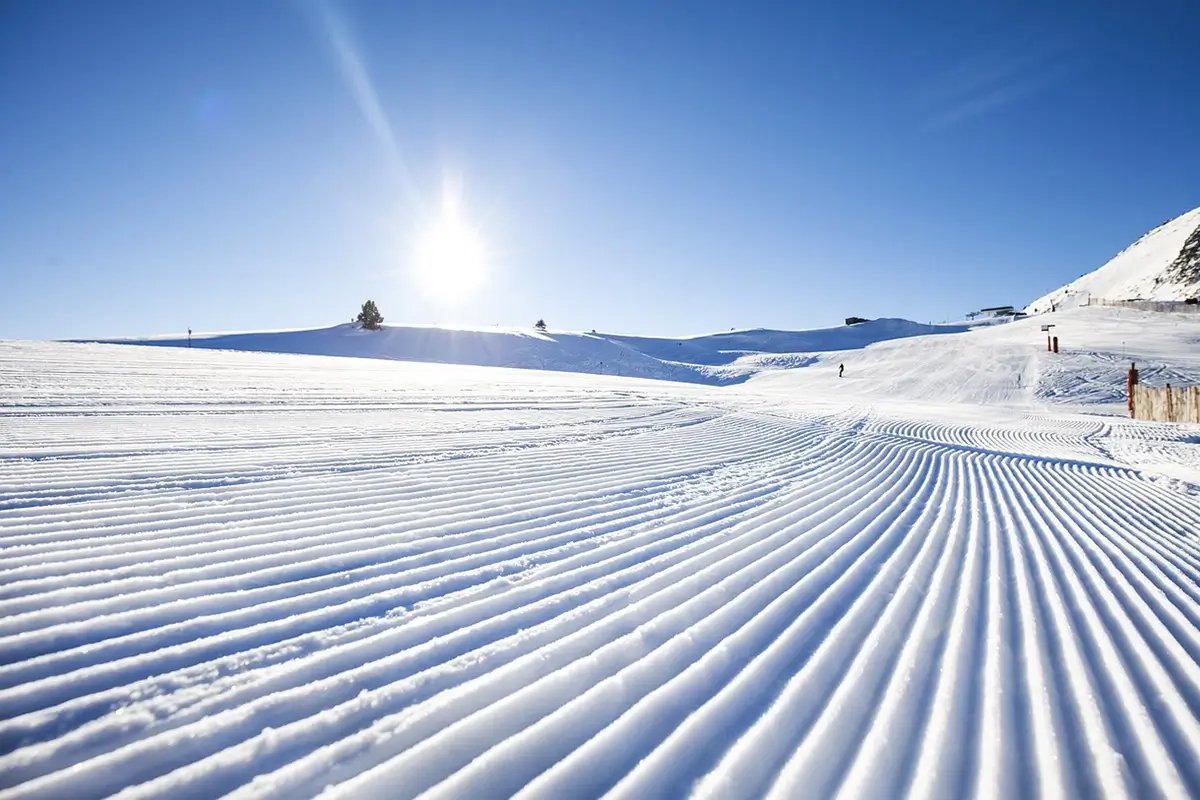
For quieter slopes and consistently good snow, the best time to plan a ski trip is usually from 6 January to early February.
During this period, crowds are thinner, and conditions are often excellent.
High season brings higher accommodation prices, busier pistes and limited availability for ski schools and equipment hire, which must be booked well in advance.
The period between Christmas and New Year, extending to around 6 January, is extremely busy.
In addition, the entire month of February coincides with school holidays across much of Europe, making it one of the most popular and crowded times to ski in Austria.
2. Decide on the Ski Resort
When you plan a ski trip to Austria, choosing the right ski resort is one of the most important decisions.
Austria has over 460 ski resorts, ranging from high-end alpine destinations to relaxed, family-friendly villages. Most resorts cater to all ability levels, with well-developed beginner areas alongside challenging pistes for advanced and expert skiers.
Before deciding, it helps to understand which resorts best match your travel style.
For inspiration, explore Wanderlustria’s Recommended Top 5 Ski Resorts in Austria, which highlights well-rounded resorts suited to a variety of skiers.
Read our Best Ski Resorts near Salzburg if you’re looking for resorts within one to two hours of the city. Many skiers choose Salzburg as their starting point thanks to its international airport and excellent transport connections.
Or consult the Austria Glacier Ski Resort Guide if snow reliability and early or late-season skiing are a priority.

Kitzsteinhorn Glacier in Kaprun
3. Decide Whether to Use a Ski Company or Book DIY
When you plan a ski trip to Austria, one of the biggest choices is whether to book through a ski company or organise everything yourself.
While DIY planning can feel daunting at first, it is actually how most Europeans arrange their ski holidays.
Booking independently is often more cost-effective and gives you full control over resort choice, accommodation style and trip length.
Ski companies such as Crystal Ski are particularly popular with English-speaking travellers, especially from the UK.

4. Book Accommodation
When you plan a ski trip to Austria, securing the right accommodation is key. Every resort offers a wide range of options, from luxury 5-star hotels to pensions (bed-and-breakfast), hostels, and self-catered apartments, known locally as Ferienwohnungen or FeWo.
Most hotels and resorts provide different catering options:
-
Breakfast only – ideal if you’ll be on the slopes most of the day.
-
Halbpension (half-board) – breakfast and dinner included.
-
Vollpension (full-board) – breakfast, lunch and dinner included, usually unnecessary for skiers spending the day on the mountain.
5. Organise Flights and Travel to Austria
When you plan a ski trip to Austria, arranging your flights and onward travel is an important step.
Both Innsbruck and Salzburg have airports conveniently located near most ski resorts, allowing you to reach the slopes in under two hours.
It is also possible to fly into:
-
Munich – approximately 2 hours to Salzburg or 2.5 hours to Innsbruck.
-
Vienna – around 3 hours to Salzburg or 5 hours to Innsbruck.
For more detailed guidance, see our Flying to Austria Guide, which covers airport options, transfer choices and tips to make your journey smooth and stress-free.

6. Reserve Rental Equipment and Book Ski Lessons
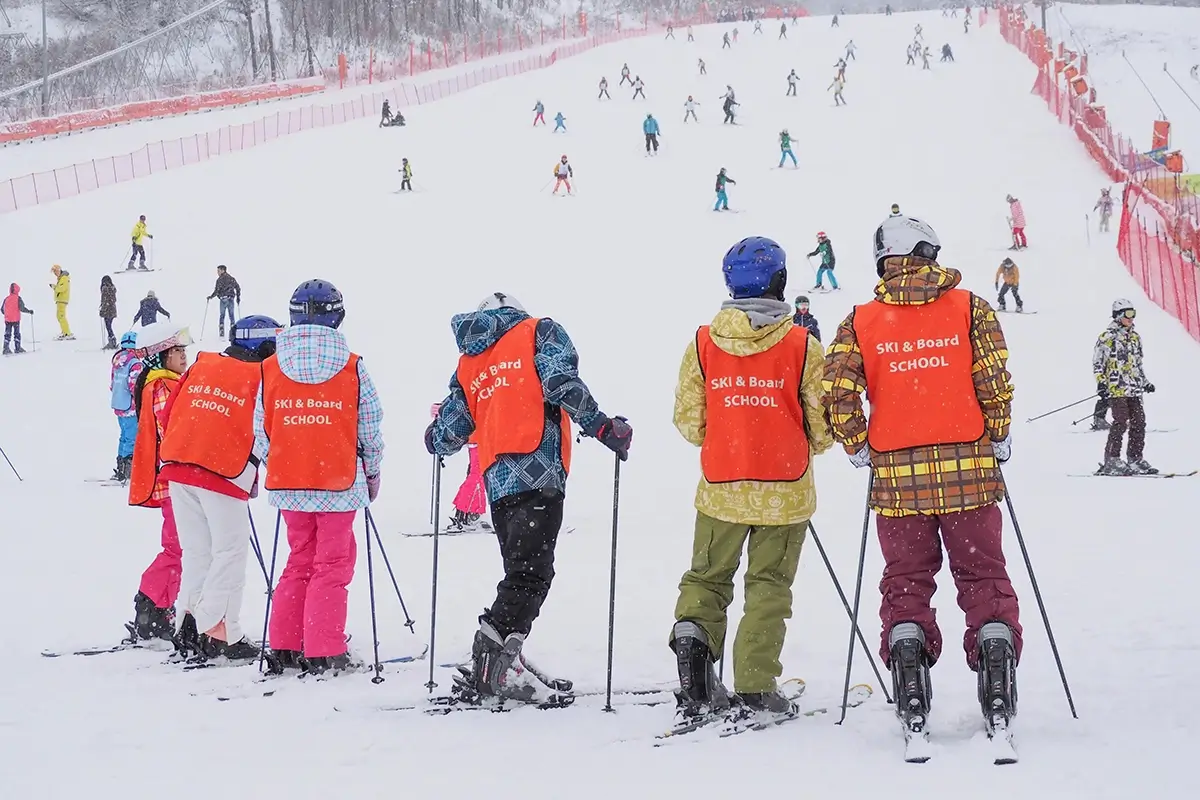
When you plan a ski trip to Austria, reserving your ski equipment and lessons in advance is essential, especially during high-demand periods like Christmas/New Year and February school holidays.
We recommend booking ski lessons at least 3 to 6 months in advance to secure your preferred times and instructors.
Every Austrian ski resort offers multiple options for ski rental equipment, with major providers including Intersport, Hervis, Bründl and small business operators.
To find the best rental options, check with your accommodation for recommendations or search online using “[Ski Resort Name] + Ski Rental.”
Many hotels and lodges also offer special deals or discounts on ski rentals and lessons, so it’s always worth asking when you book.
7. Organise Transport to the Ski Resort
Getting to most Austrian ski resorts is straightforward, whether you use public transport or drive yourself.
Many resorts are directly accessible by train, with extra winter services from Vienna, Munich, Salzburg, and Innsbruck.
For schedules and bookings, visit the ÖBB website. Check our guides for Austria Public Transport and Austria Train Guides, for helpful planning tips.
Some regions offer combined ski passes and local transport cards, which can save money and make getting around much easier.
If you stay in paid accommodation in Salzburg State, you will receive the Salzburg Mobility Card from your accommodation provider, which provides free bus and train transportation throughout the state. This allows you to travel easily to your ski resort and enjoy day trips to Salzburg city and the surrounding areas.
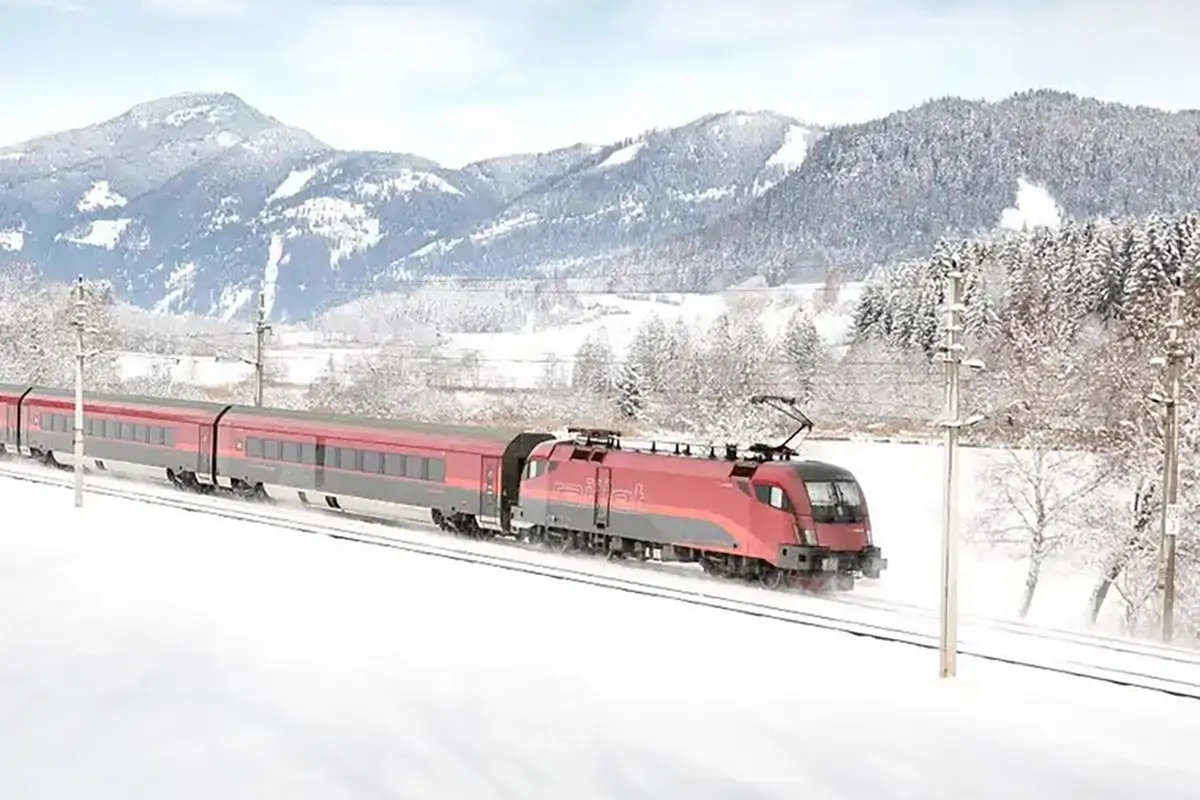
image © ÖBB
8. Organise Ski Passes
When you plan a ski trip to Austria, arranging your ski passes is an important step.
Passes can be purchased online or at the resort, although for most travellers, there is little advantage to buying them in advance unless you are securing an annual or season pass.
Ski passes are usually resort- or region-specific, so make sure you select the one that matches your planned slopes.
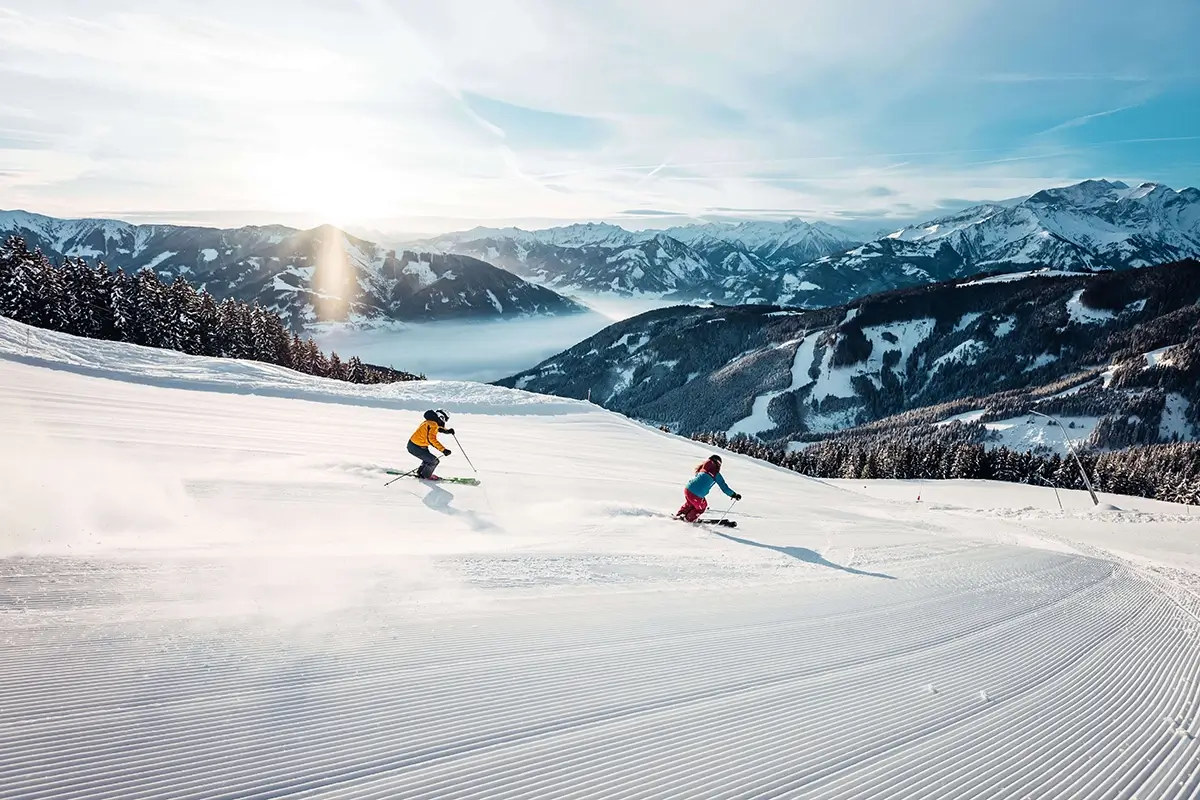
If you want to ski at multiple resorts, consider the Super Ski Card, which provides access to up to 87 ski resorts across Salzburgerland, Tirol, Carinthia, Upper Austria, Styria, and neighbouring Bavaria.
For Tyrol, various ski passes cover multiple resorts.
Schmittenhöhe Zell am See image © Schmitten
9. Organise Travel Insurance
When you plan a ski trip to Austria, securing travel insurance that covers winter sports is essential, whether you’re an experienced skier or a first-timer.
Standard travel insurance often does not include skiing or snowboarding, so it’s essential to check your policy carefully.
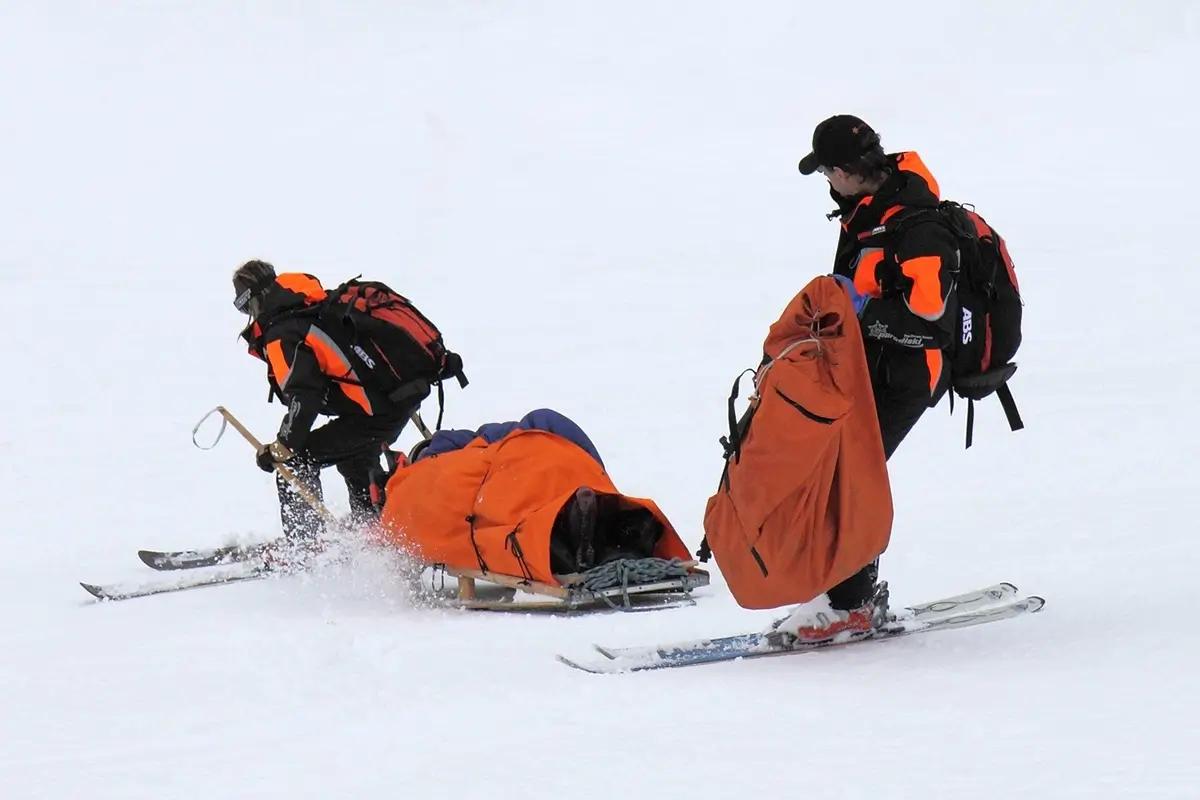
While serious injuries are uncommon, medical treatment abroad can be extremely expensive.
Transport off the mountain, especially by helicopter, can also add thousands of euros to costs.
10. Packing for a Ski Trip
When you plan a ski trip to Austria, packing the right gear and clothing is essential to ensure a comfortable and safe experience.
Skiing requires a lot of specialised equipment, so it’s easy to forget something.
For a complete list, check our Ultimate Ski Packing List to make sure you don’t miss any essentials.


Extra Tips for a Stress-free Ski Trip
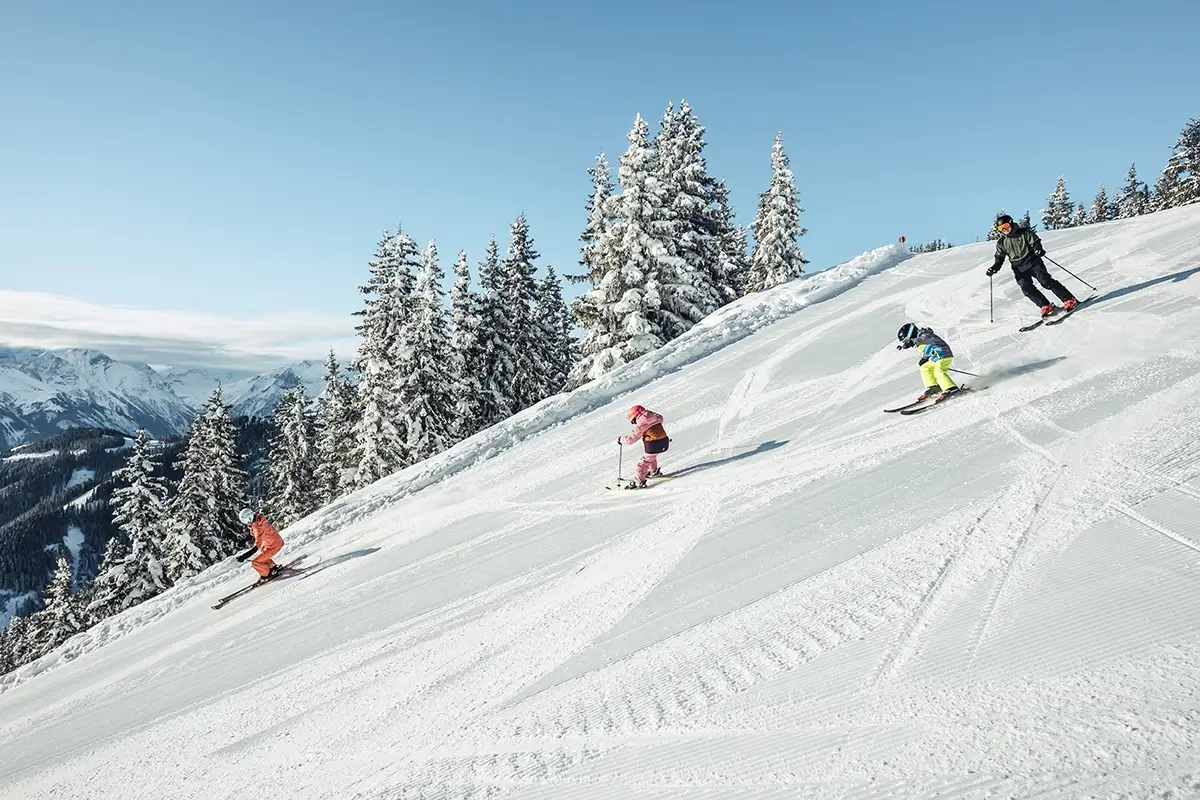
Skiing on Schmittenhöhe in Zell am See
© Schmittenhöhebahn AG
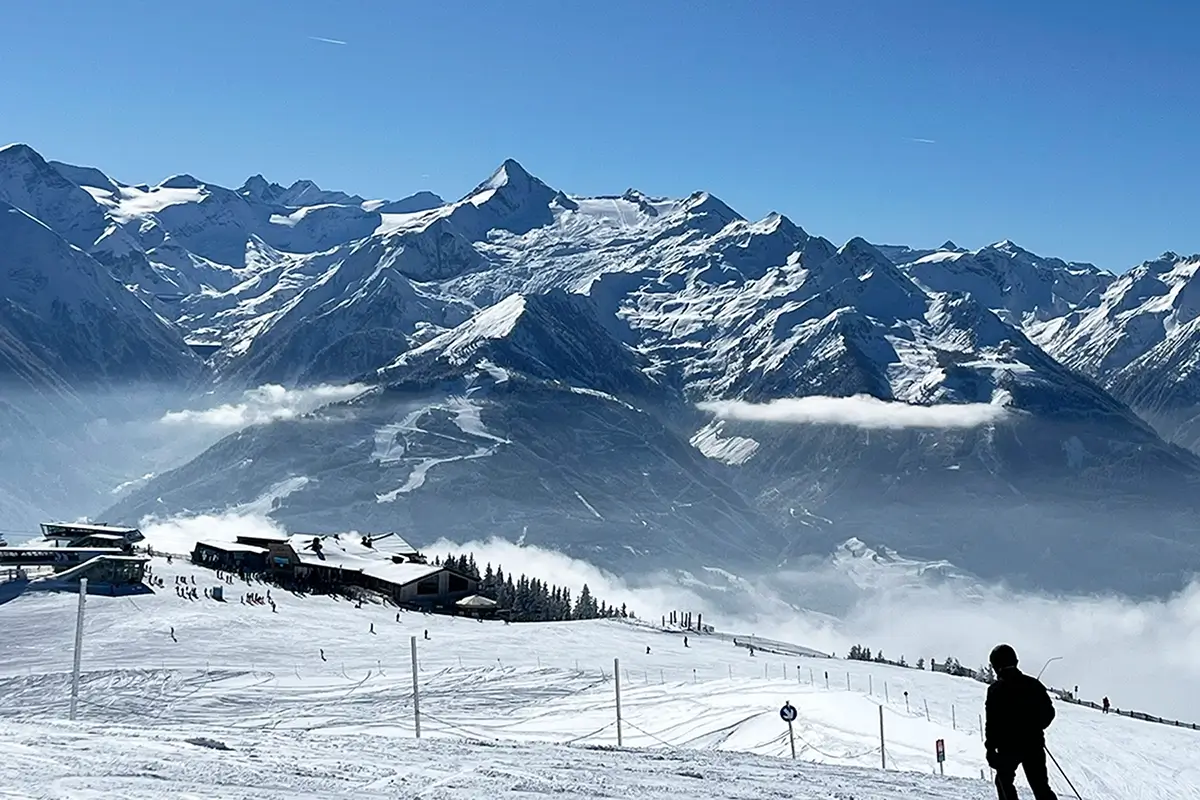
Skiing on Schmittenhöhe in Zell am See
© Zell am See-Kaprun Tourismus
Guide to Austria Glacier Ski Resorts
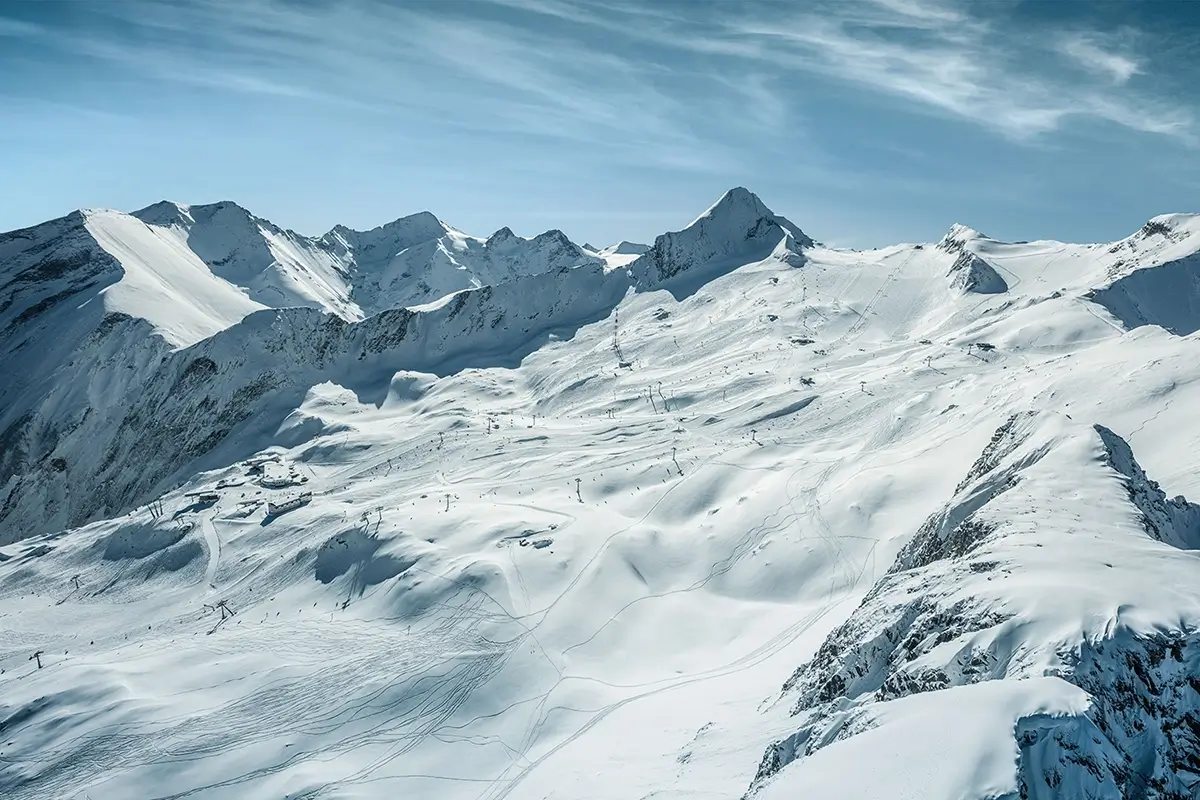
Kitzsteinhorn Glacier © Kitzsteinhorn & Gletscherbahnen Kaprun AG
Austria Travel Inspirations
Explore Austria Travel Inspirations for more year-round travel inspiration.
Wanderlustria's Austria Trip Planning Service
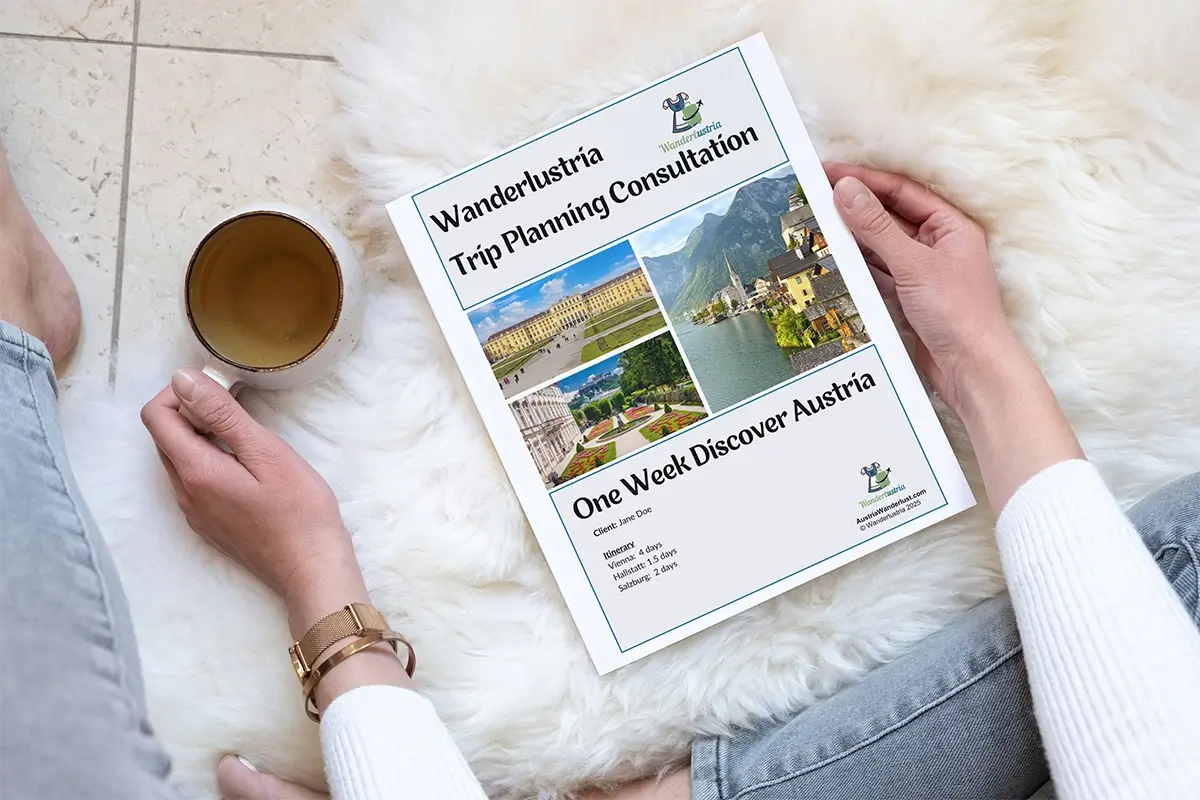
Expert advice to help you plan your Austria holiday.
Book an Austria Trip Planning Consultation
We help you plan your dream Austrian holiday.
The Wanderlustria Trip Planning Service provides advice on everything you need to know about planning your holiday to Austria- from hotels to tours, where to get the best tickets, train and road trips and share our favourite places and activities to ensure your Austria holiday is memorable.
Find the perfect Austria Travel Consultation for you
Wanderlustria's Templates and Guides
Austria Trip Planner
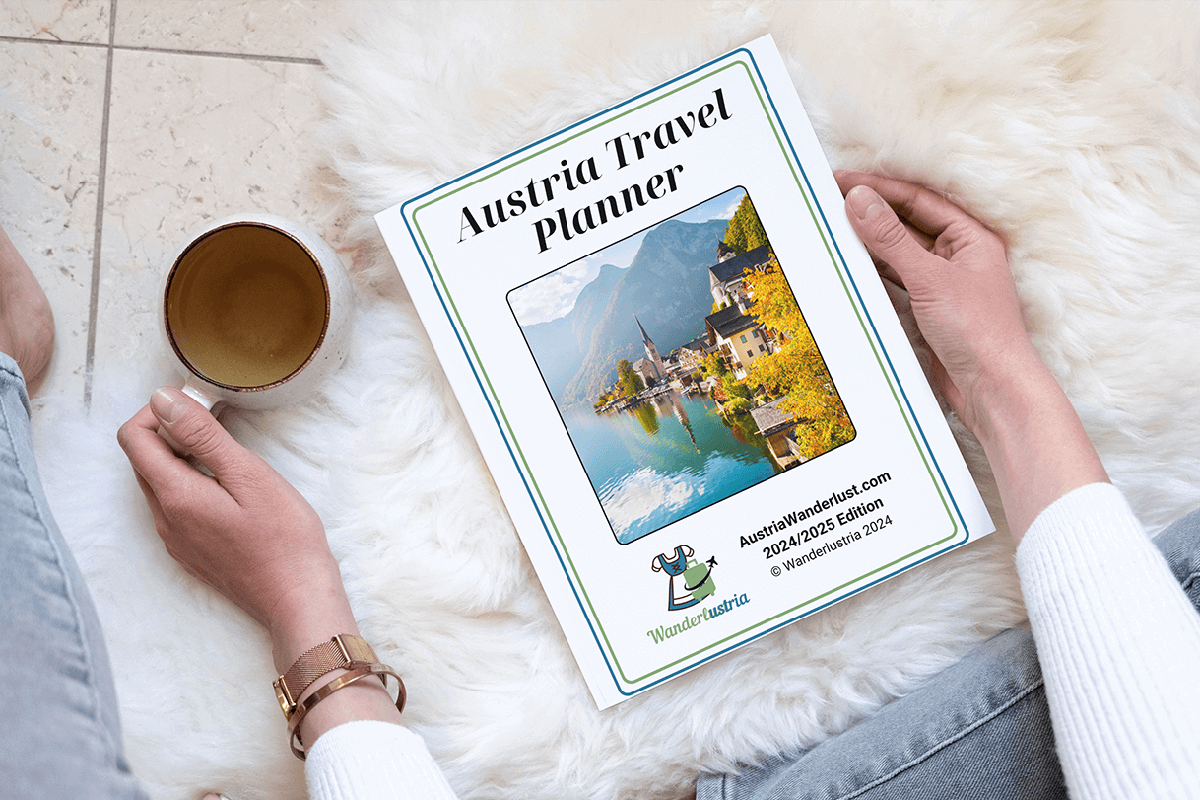
90+ page Austria trip planner printable includes customisable templates and checklists to help you research, compare, and organise every detail. From travel inspiration to planning logistics, this downloadable guide is your one-stop toolkit for the perfect Austrian holiday.
Vienna Christmas Market Itinerary

Our 60+ pages Vienna Christmas Markets Itinerary is a printable PDF guide with all the information you need to plan your Vienna Christmas Markets Holiday- from where to stay, to what are the best Christmas Market Foods and Souvenirs.
Visit our Shop for more information about Wanderlustria's Guides and Templates
Follow AustriaTravelPlanning by Wanderlustria
SAVE this PIN so you can read later

Chief Wanderlust’er and Austria travel expert, I’m on a mission to help you uncover the magic of Austria — from fairytale cities and alpine villages to awe-inspiring landscapes and rich cultural traditions.
As the founder of Austria Wanderlust Travel Planning, the Austria Travel Planning Facebook Group, and director of Wanderlustria eU, I provide trusted tips, local insights, and curated resources to make your Austrian adventure seamless, authentic, and unforgettable.