Facts About Austria – 65+Things to Know Before You Go
If you’re curious about Austria or planning a trip here soon, you’re in for a treat.
As someone lucky enough to call Austria home, I’ve gathered all the essential insights, quirky tidbits, and fun facts about Austria you’ll want to know before you go.
Whether you’re visiting Alpine peaks, charming villages, or our rich musical and cultural heritage, Austria has a lot to offer – and even more to uncover.
This blog is packed with over 65 interesting facts about Austria, from historical gems to practical travel know-how.
You’ll get a local’s perspective, backed by experience and a genuine love for this beautiful country. Trust me, whether you’re after fascinating trivia, travel tips, or just want to understand Austria a bit better, you’re in the right place.
Want expert advice? Check out our Austria Travel Tips Hub
Disclosure: This article may contain compensated links. If you choose to book or purchase through these links, I may earn a small commission at no extra cost to you. These commissions help support Austria Wanderlust and allow me to keep creating detailed, experience-based guides for travelling Austria with confidence. See our full disclaimer here.
To make planning easier, I’ve put together a curated Austria Travel Resources page featuring the tools I personally use and recommend for flights, accommodation, trains, tours, and essential travel services across Austria.
Join the Austria Travel Planning Facebook Group
Follow us on:
Austria’s Epic Landscapes
1. Austria: Small in Size, Big on Location
Austria might not be the biggest country in Europe, but what it lacks in size, it more than makes up for in charm and accessibility. With a total area of just 83,872 km² (roughly the size of South Carolina), it’s compact enough to explore in a relatively short time – yet packed with stunning scenery and rich culture at every turn.
One of Austria’s biggest travel perks?
Location.
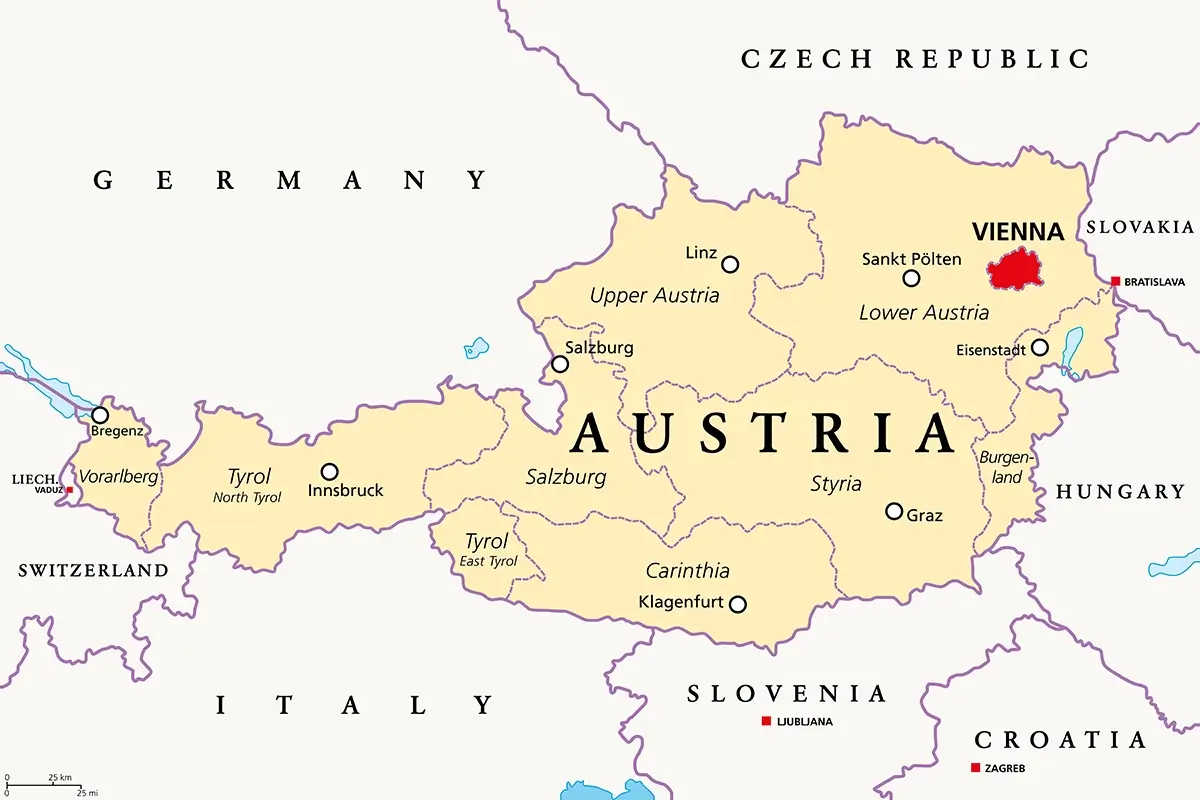
Located in the heart of Central Europe, Austria shares borders with eight countries – Germany and the Czech Republic to the north, Hungary and Slovakia to the east, Italy and Slovenia to the south, and Switzerland and Liechtenstein to the west.
This makes it incredibly easy to hop over from nearby destinations or include Austria in a larger European itinerary.
Whether you’re travelling by train, car, or plane, getting here – and getting around – is a breeze.
Planning your route? Don’t miss our Travel Guides with all the top tips on how to get to Austria, Train Travel and Public Transport.
2. Austria is often confused with Australia…
Sadly, it is true that some folks confuse Austria with Australia- the land Downunder, which is located more than 14,200 km away.
And no, there are no Kangaroos in Austria*
Austria is the land of Edelweiss, the birthplace of Mozart, Freud, and Arnold Schwarzenegger. Stunning mountains, verdant forests, baroque architecture, Imperial history and beautiful countryside characterise Austria.
*Fun Fact: In 2015, a pet kangaroo named Anton escaped and roamed snowy fields for four months before being caught. And you can visit kangaroos the Schönbrunn Zoo in Vienna.
♦♦ And No there is no help desk at the Salzburg Airport for passengers mistakenly flying to Austria instead of Australia.
The sign was a great piece of advertising for an Austrian Communications company.
3. Austria is mountainous
More than 65% of Austria is above 500 metres (1,640 feet).
There are 13 mountains over 3,000 metres (9842 feet) and 34 peaks higher than 2,000 metres (6562 feet).
The highest point is Großglockner at 3,798 metres (12,460 feet).
This alpine geography is why travel often follows scenic valleys rather than straight lines.

4. Drive to the top of Austria.
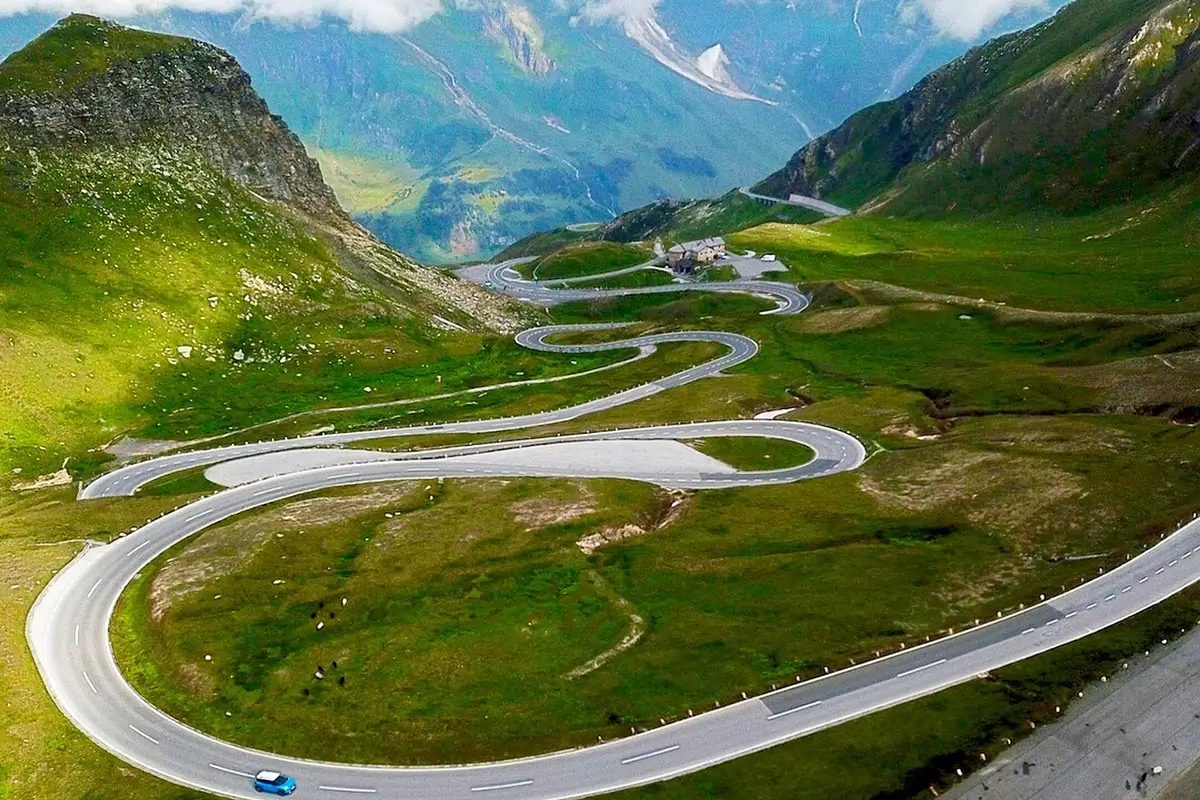
The Großglockner High Alpine Road is one of the most beautiful mountain roads in Europe.
It’s 48 km of turns and serpentine bends ascending Austria’s highest mountain, a must-do activity in Austria. The Großglockner High Alpine Road can be travelled by car, motorbike, bike or bus.
Don’t forget to read our Großglockner Driving Guide before you go.
5. Austria’s Lush, Leafy Landscape
Austria’s forests are thriving too. Home to an impressive 65 different tree species, these natural spaces aren’t just standing still – they’re growing.
In fact, forested areas are expanding by about 6 hectares every decade – that’s the equivalent of nine football fields of fresh greenery!
So, whether you’re hiking through the Alps, cycling along quiet woodland paths, or simply soaking in the fresh mountain air, Austria’s natural beauty is always close at hand.
Planning on hiking in Austria- Check out our Beginner’s Guide to Hiking in Austria and our Top 10 Austrian Hiking Destinations.
6. Visit Europe’s tallest waterfall
The Krimml Waterfalls, near the Hohe Tauern National Park, plunge 380 metres (1,247 feet) in three stages. They’re located about 110 km (68 miles) from Salzburg and are one of Austria’s most powerful and photogenic natural landmarks.
7. Austria has the world’s largest ice cave
At Eisriesenwelt in Werfen (43 km /27 miles south of Salzburg), you can explore over 42 kilometres of underground ice caverns. Tours run in summer, and it’s a surreal experience walking through shimmering frozen halls deep inside the Alps.
You can also visit the Dachstein Ice Cave near Hallstatt — read our Dachstein Ice Cave Guide.
Austria-A Journey Through Time
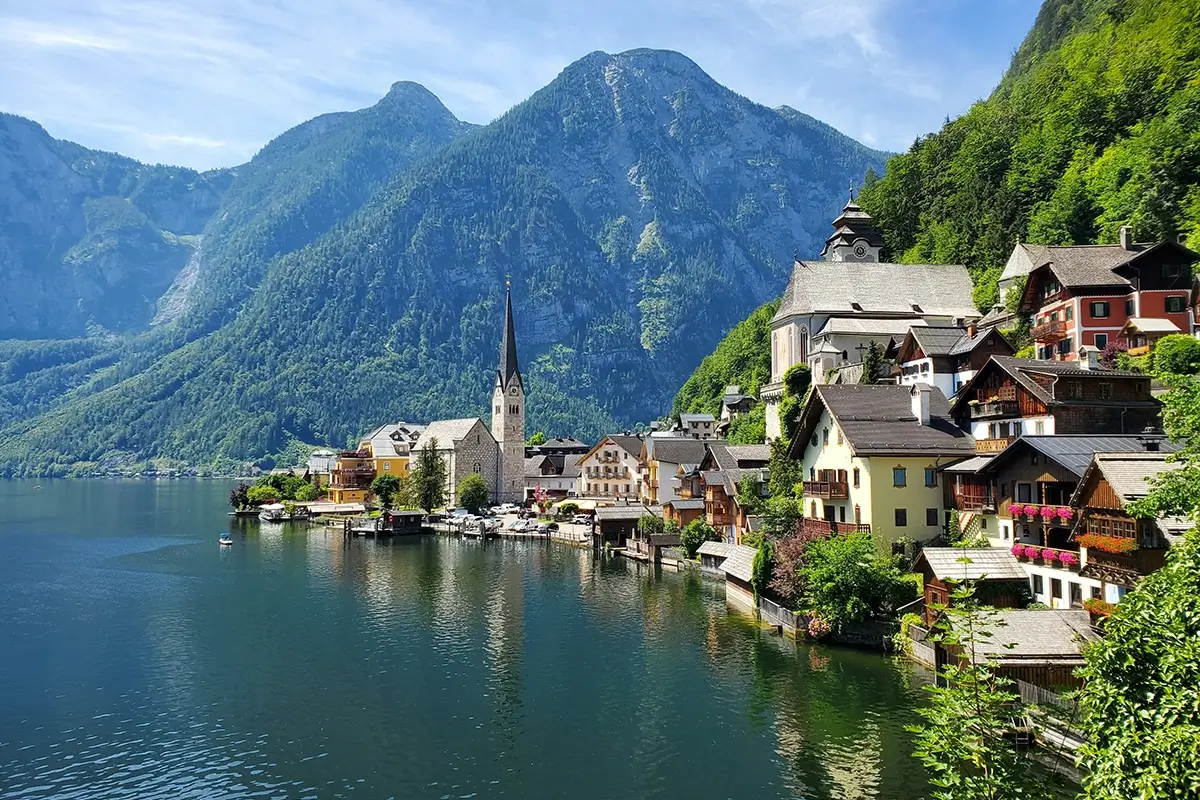
8. Hallstatt isn’t just pretty — it’s prehistoric
The fairytale village of Hallstatt, a UNESCO World Heritage site, was once the centre of a thriving Iron Age civilisation. The term “Hallstatt Culture” refers to a significant period in European prehistory dating from 800–450 BC.
Most visitors miss this — don’t be one of them. Read our Hallstatt Travel Guide for expert tips on discovering more than just the Instagram-worthy spots.

9. Meet the world’s oldest glacier mummy
In 1991, a 5,300-year-old mummified body was found in the Ötztal Alps in Tyrol on the Italian border. Known as Ötzi the Iceman, he is now housed at the South Tyrol Museum of Archaeology in Bolzano, Italy, just over the border from Austria.
10. Austria is over 1000 years old
Austria, as a unified state, emerged at the end of the first millennium. The area that is now Austria has been inhabited by Celtic tribes (4th century BC), was under Roman rule (Vienna was once Vindobona) and conquered by Charlemagne (4th century AD).
Austria’s existence was first recorded in 996 under the rule of the House of Babenburg. Austria, or Österreich in German, translates as the Eastern (Oster) realm (reich).
By 1278, the Habsburgs ruled, eventually forming the Austro-Hungarian Empire, which included much of Central and Eastern Europe until World War I.
11. The Austrian flag is one of the oldest in the world
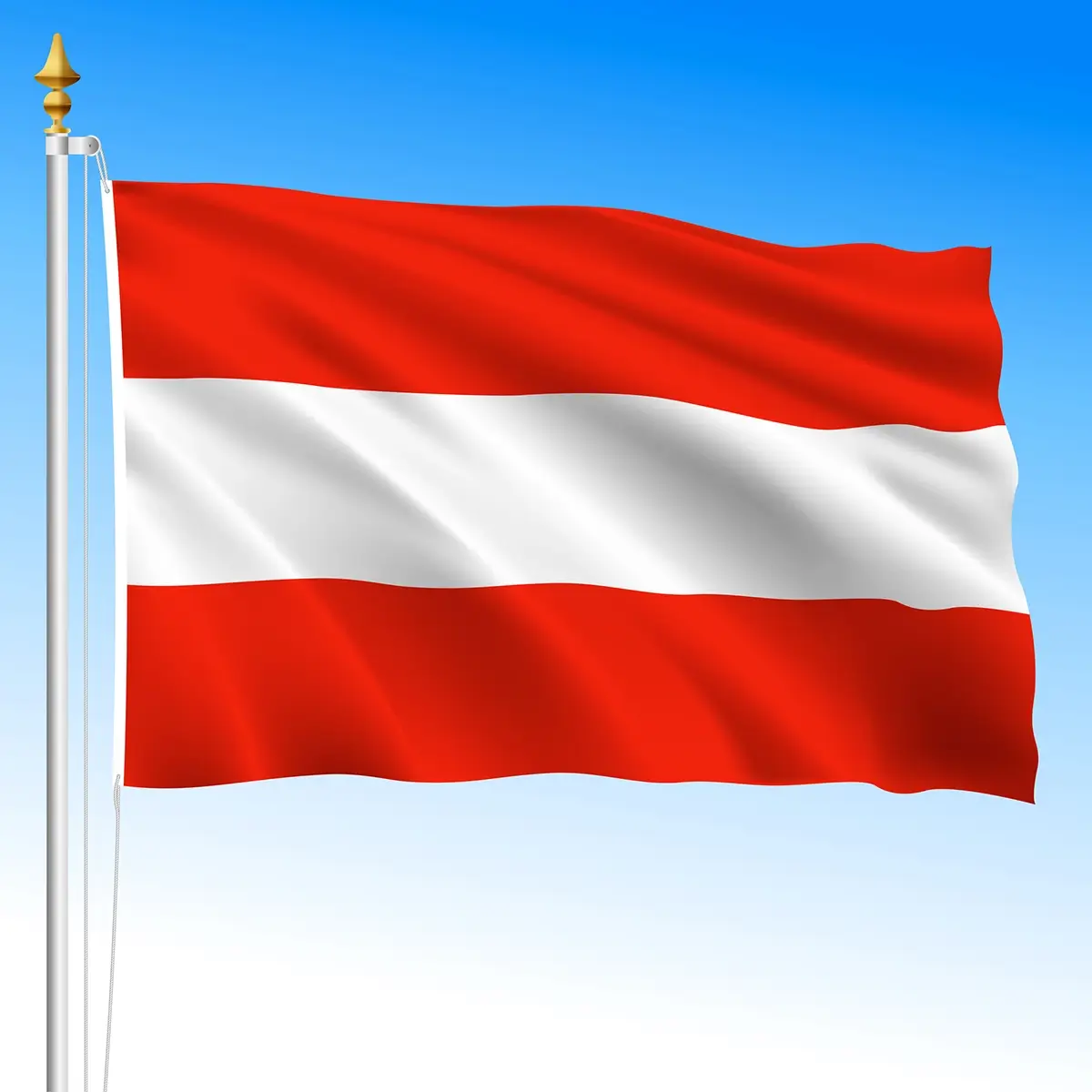
Legend says the red–white–red flag design dates back to 1191, when Duke Leopold V removed his blood-stained tunic to reveal a clean white stripe beneath his belt.
12. Austria is a neutral country
After WWII, Austria became permanently neutral in 1955.
Austria’s National Day, celebrated on October 26th, celebrates Austria’s independence and permanent neutrality.
Like Switzerland, it is not a member of NATO. Austria has a military for its internal security and provides humanitarian aid, especially during natural disasters. All Austrian male citizens above the age of eighteen have compulsory 6-month military service.
Austria joined the European Union in 1995, but maintains neutrality in military matters.
Austria- Cities Beyond the Usual
13. Vienna is Austria’s capital — and cultural heartbeat
Vienna, Wien in German (pronounced “Veen”) sits on the Danube River and is home to over 2 million people — more than 20% of Austria’s population.
With grand boulevards, coffee houses, and world-class museums, it’s easy to see why it’s regularly been ranked 10 times as the most liveable city in the world (most recently in 2024 by Mercer).
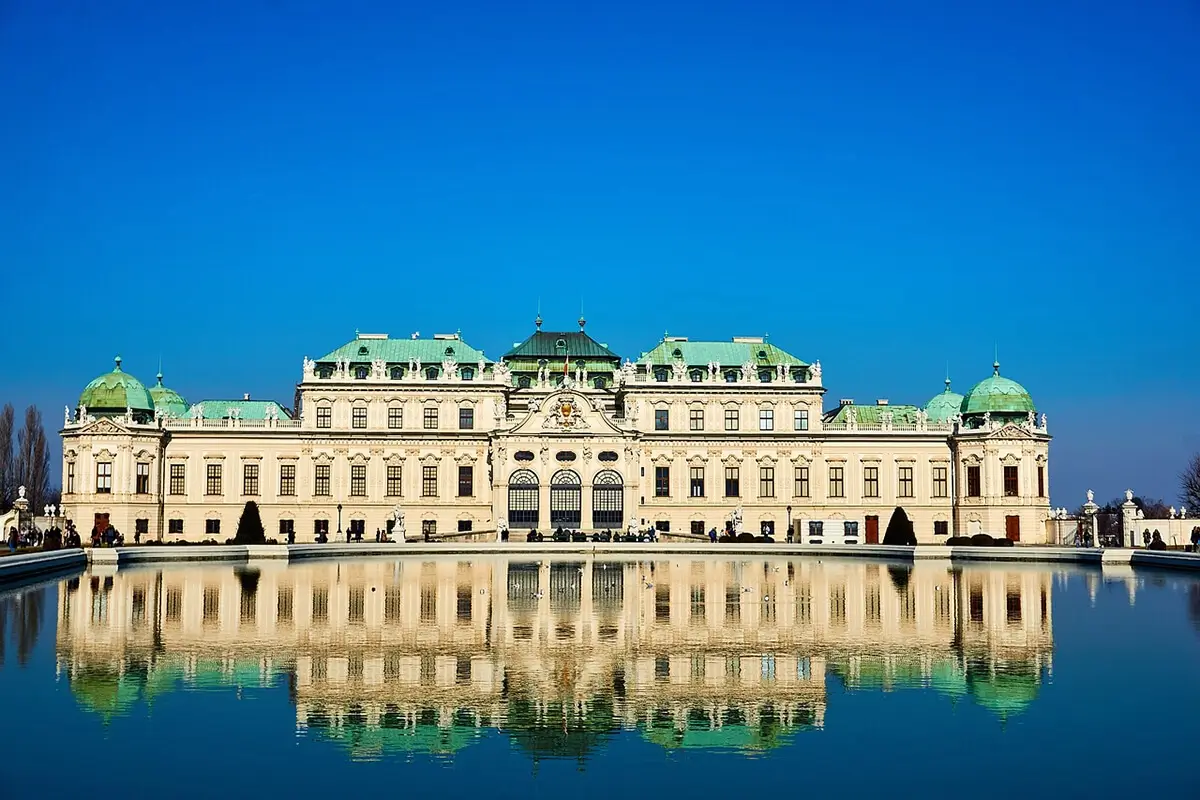
Our Recommendations | Where we stay in Vienna
♥ When visiting Vienna with family, we loved staying in a Maisonette (two bedrooms over two floors) at the König von Ungarn.
Enough room for parents and kids and is directly in the centre of Vienna behind Stephansdom.
♥ I also love staying at Motel One Staatsoper, a great mid-range choice one block from the Opera and close to everything.
♥ My other two favourite places are both places I regularly stay at when I visit, the Hotel Pension Museum in Spittelberg, directly across from the U3 Metro Stop and Museums Quartier and Theaterhotel & Suites Wien in the 8th district- where I used to live so this hotel feels like home.
14. There’s more than just Vienna and Salzburg
Austria is dotted with vibrant cities and charming villages. A few highlights include:
- Graz – Austria’s second-largest city with bold architecture, street art, and a buzzing student vibe
- Linz – Home to modern museums like LENTOS Kunstmuseum on the Danube
- Wachau Valley – Known for vineyards, apricots, and castles like the ruins where Richard the Lionheart was imprisoned
- Salzkammergut – A postcard-perfect lake district
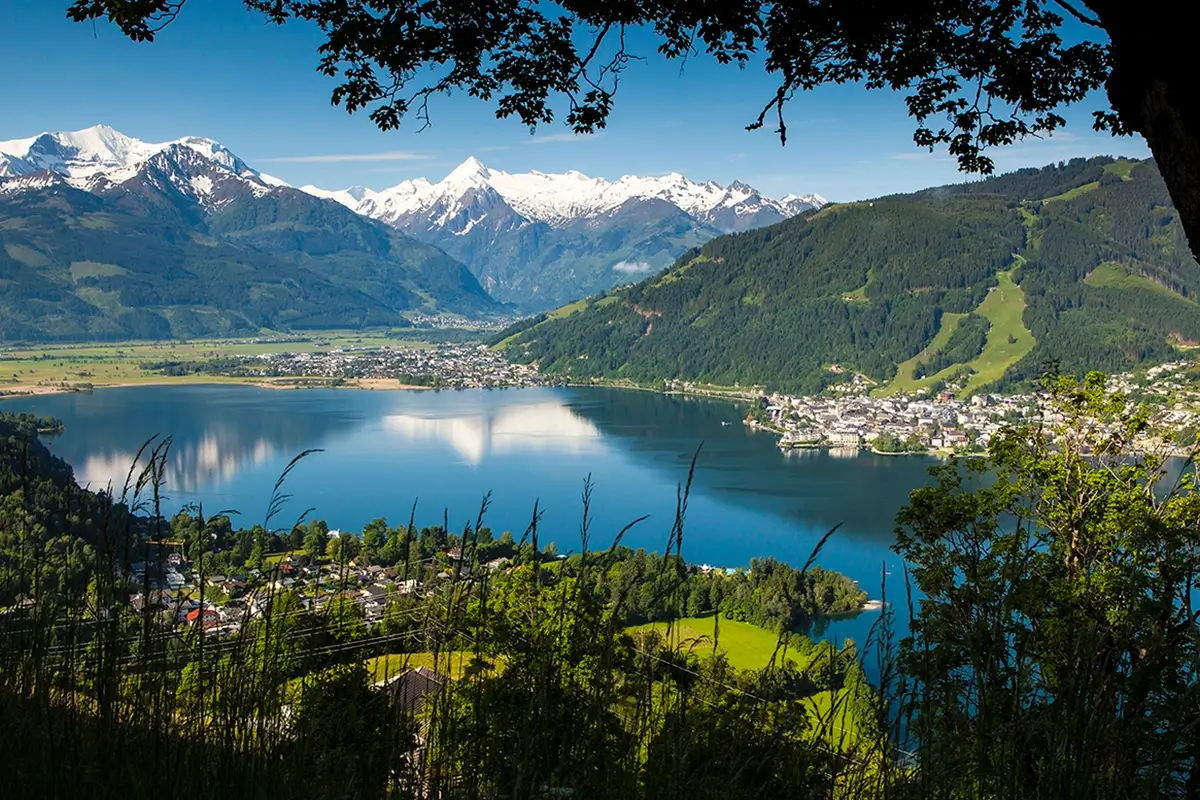
- Zell am See-Kaprun – Our home and a hub for lakes, mountains, and the Großglockner Alpine Road
- Innsbruck – Hosted the Winter Olympics twice and is ideal for skiing and snowboarding
- Vorarlberg – Austria’s hidden western gem, bordering Switzerland, Germany, and Liechtenstein, with summer festivals like the Bregenz Festival on a floating lake stage
Want more destination ideas? Read our 16 Must-See Places in Austria
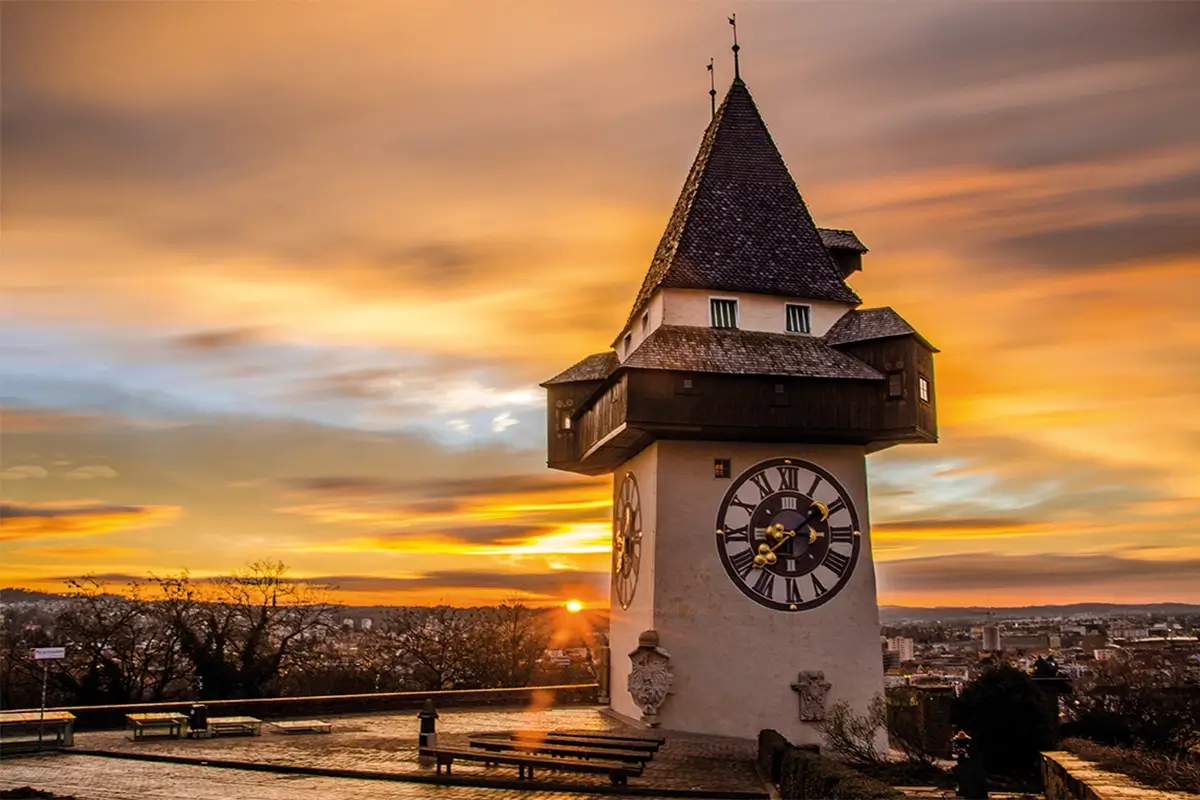
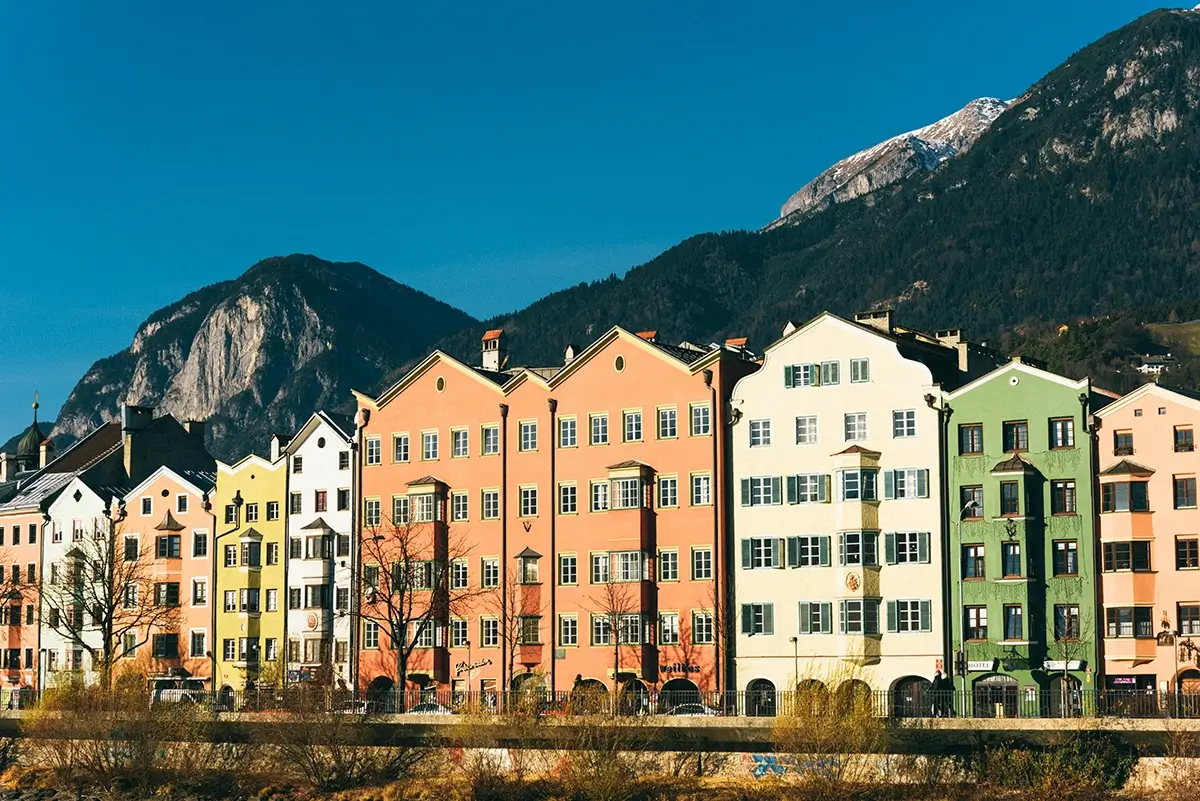
Austria’s Must-See Sights & Unmissable Experiences
Austria is home to 12 UNESCO World Heritage Sites, each offering a glimpse into the country’s rich history and cultural legacy. Highlights include the Historic Centres of Vienna, Salzburg, and Graz, where you’ll find centuries-old architecture, art, and traditions thriving in modern cityscapes.
15. Schönbrunn Palace – The Habsburgs’ Summer Retreat
A visit to Vienna wouldn’t be complete without touring Schönbrunn Palace, the Habsburgs’ former summer residence.
This UNESCO World Heritage Site boasts more than 1,440 rooms in exquisite Baroque style, designed by Johann Bernhard Fischer von Erlach. Inside, take a 40–60 minute guided tour through the opulent state apartments, where emperors once lived and entertained. The expansive gardens, the Gloriette, and even the world’s oldest zoo make this a full-day destination.
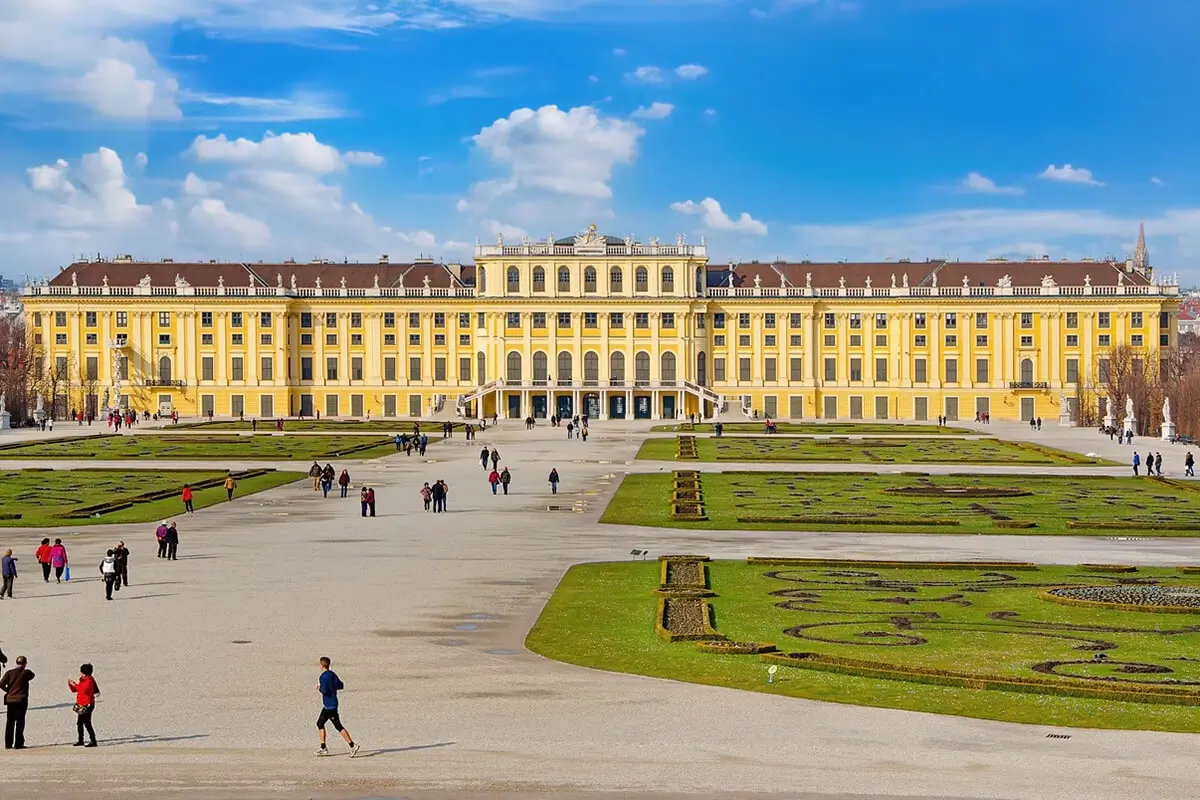
Schönbrunn Palace
Visit the famous yellow 18th-century palace, which the Habsburgs’ summer residence, on a 1.5-hour Guided Schönbrunn Palace Tour and the Imperial Carriage Museum.
Visit the Schönbrunn Zoo and the Children’s Museum
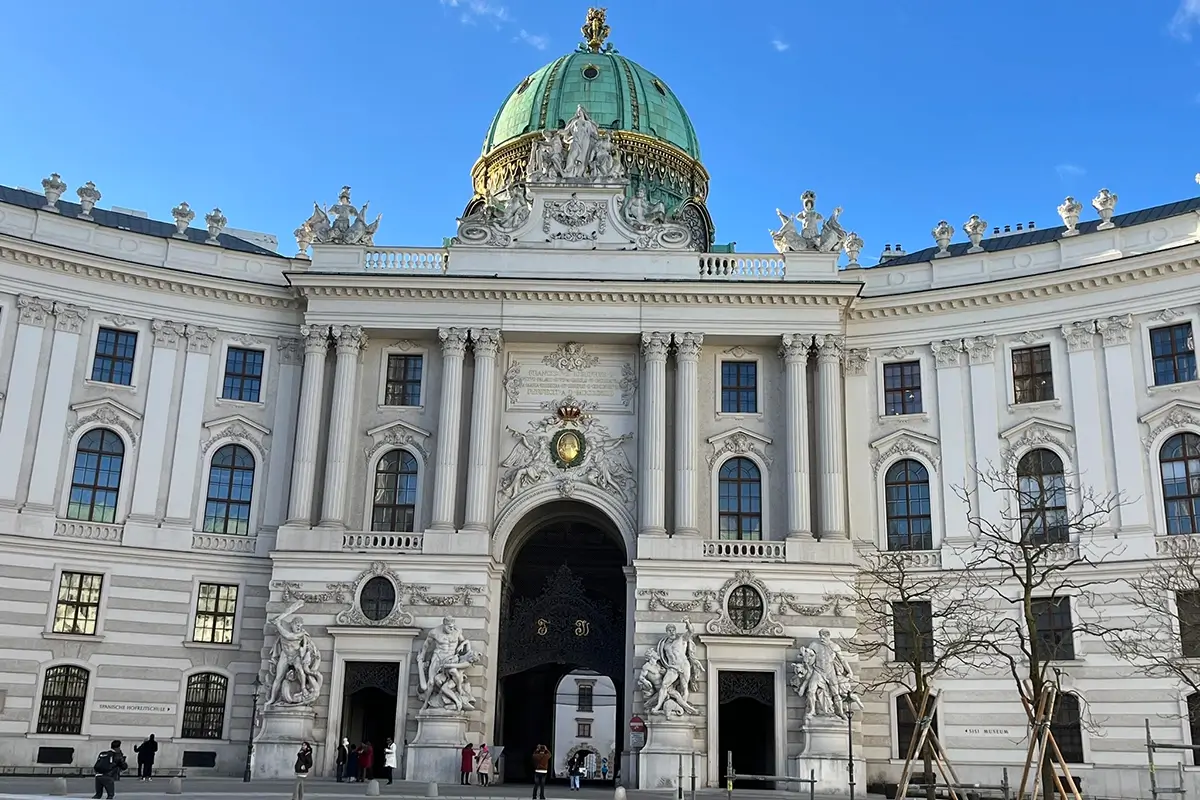
16. Hofburg Palace – Power and Prestige in the Heart of Vienna
If Schönbrunn was their summer escape, the Hofburg Palace was the Habsburgs’ winter power seat for more than 600 years. Located in central Vienna, this monumental complex is like a city within a city—with 18 wings, 2600 rooms, and 19 courtyards. Explore the Imperial Apartments, the dazzling Imperial Treasury, and the Austrian National Library Grand Hall
Sisi Museum and Imperial Apartments – Hofburg
Discover the world of the famous Empress Elisabeth of Austria, known as Sis, in the Sisi Museum.
Austrian National Library
Due to its popularity, we recommend pre-booking ticket to view the stunning Austrian National Library and its stunning Grand Hall (Prunksaal) Austria National Library Tickets.
17. Classical Traditions – Spanish Riding School & Vienna Boys’ Choir
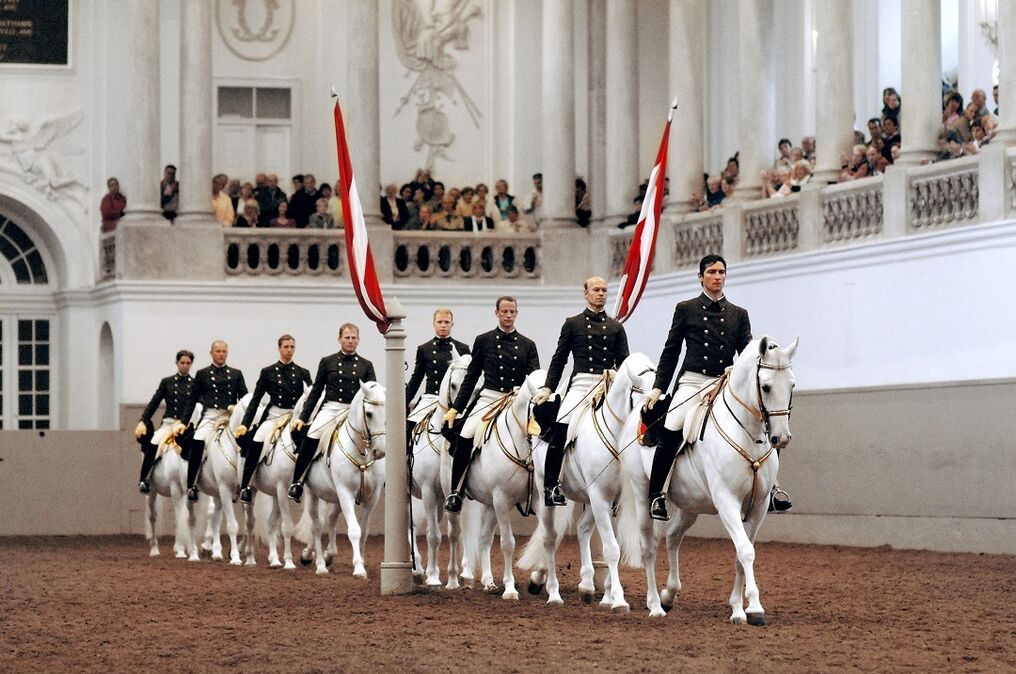
Austria’s performing arts are as iconic as its palaces. The Spanish Riding School, one of the last institutions where classical dressage is practised in its original form, hosts mesmerising public performances in Vienna. Alongside it, the angelic voices of the Vienna Boys’ Choir have delighted audiences for centuries. Both experiences provide an unforgettable look into Austria’s dedication to cultural excellence.
18. Melk Abbey – Baroque Majesty Overlooking the Danube
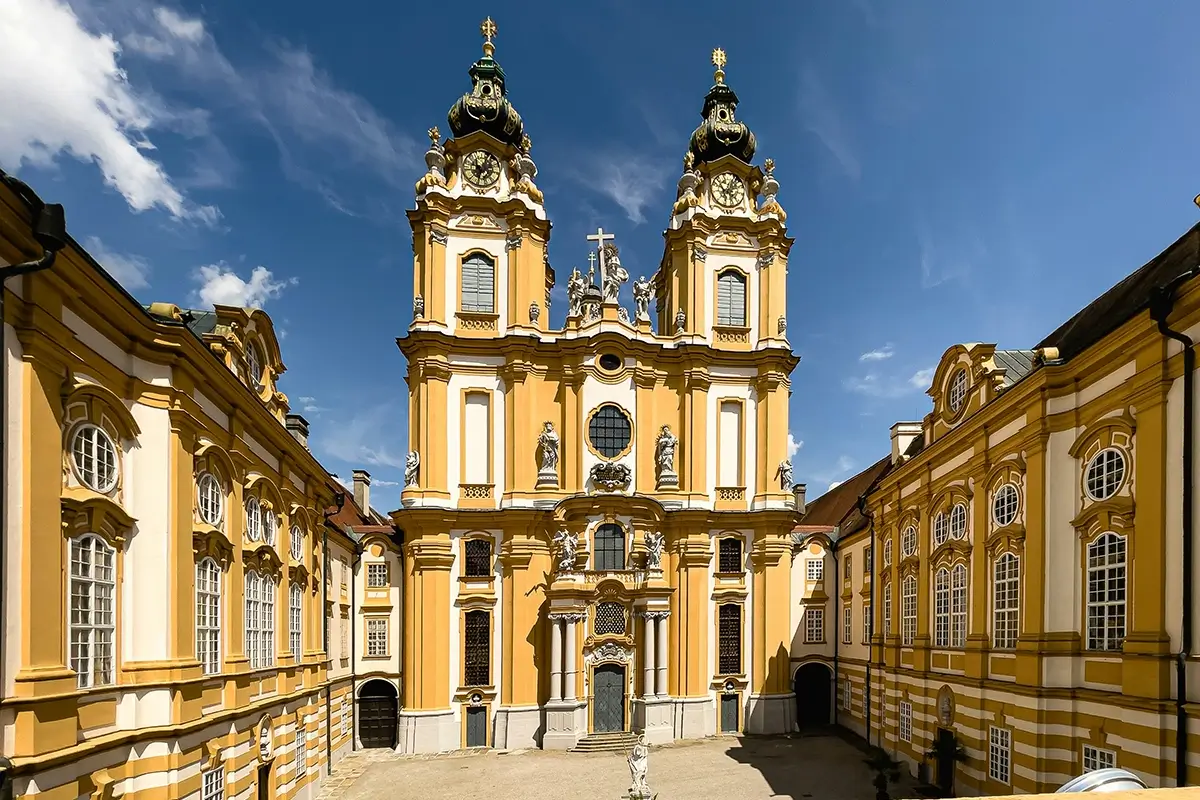
Towering above the Danube River, Melk Abbey in Lower Austria is a masterpiece of Baroque architecture. With roots dating back to the 11th century, this Benedictine monastery features an ornate library, a lavish church, and panoramic views over the Wachau Valley. Its historical and spiritual significance makes it a key stop on any Danube River itinerary.
19. Hohensalzburg Fortress – Medieval Grandeur in Salzburg
Dominating the skyline of Salzburg, the Hohensalzburg Fortress is one of Europe’s largest and best-preserved medieval castles. Ride the funicular or hike up the hill for sweeping views of the city and Alps. Inside, discover museums, dungeons, and Gothic halls that tell the story of Salzburg’s powerful archbishops. It’s a must-visit for history lovers.
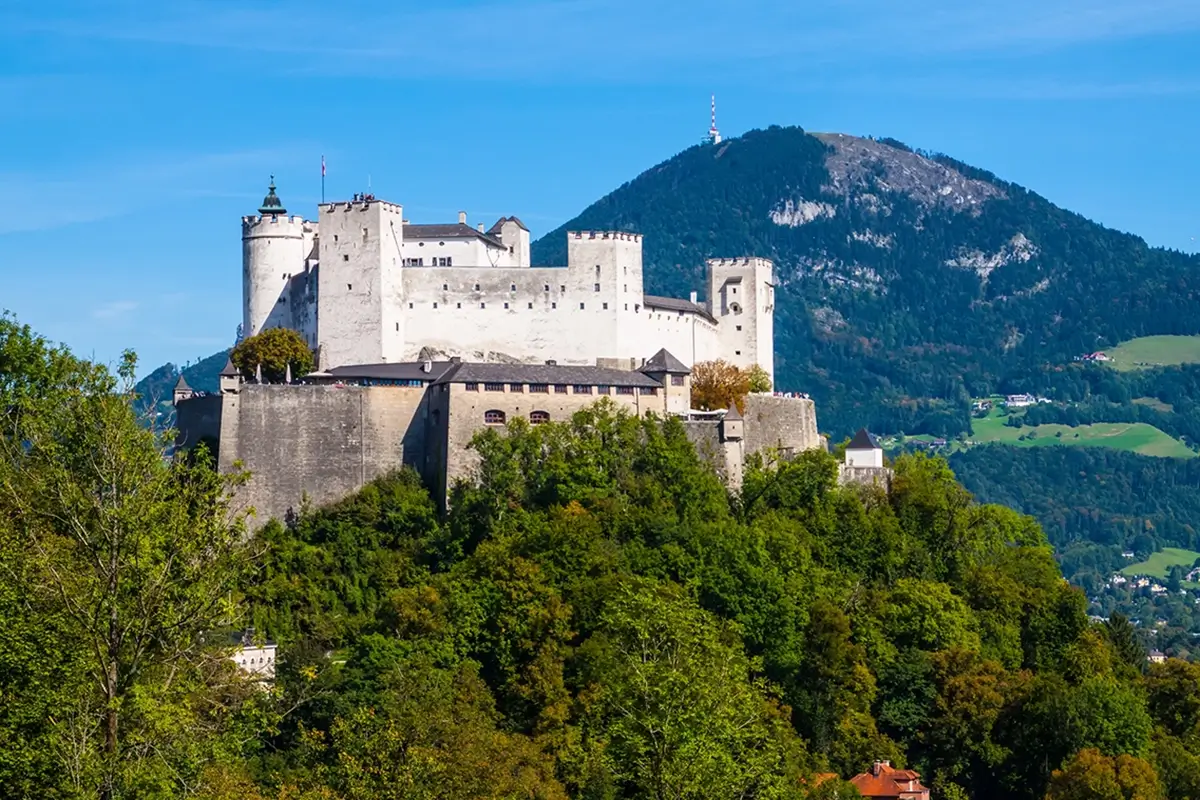
Skip-the-line tickets to the 900-year-old Salzburg Fortress that is perched upon Festungberg Hill.

20. Semmering Railway – A Journey Through History and Mountains
The Semmering Railway isn’t just a train ride – it’s a masterpiece of engineering, history, and breathtaking scenery all rolled into one. Winding through the Eastern Alps, this UNESCO World Heritage site has been impressing travellers since the 1850s – and is one of the most stunning rail journeys in Europe.
What makes it so special? For starters, it was the first mountain railway in the world built with a standard-gauge track, and it tackled terrain once thought impossible for trains to cross. Spanning 41 kilometres, it twists and turns over 16 viaducts, through 15 tunnels, and past panoramic alpine views that will have you glued to the window.
It’s not just for rail enthusiasts, either. Whether you’re heading into the mountains for a hike or fancy a scenic day trip from Vienna, the Semmering Railway is a memorable experience that combines innovation, nature, and Austrian heritage in one unforgettable ride.
Book your tickets on the ÖBB website
21. Austrian Cuisine – A Celebration of Diversity and Seasonality
Austrian cuisine is as diverse as its landscapes. Shaped by the former Austro-Hungarian Empire, it brings together influences from Italy, Hungary, Bohemia, and Turkey. Each region boasts its own culinary specialities: Salzburg’s Kasnocken (cheese dumplings), Styria’s pumpkin seed oil, and Vienna’s famous Tafelspitz—a delicately seasoned boiled beef dish once favoured by emperors.
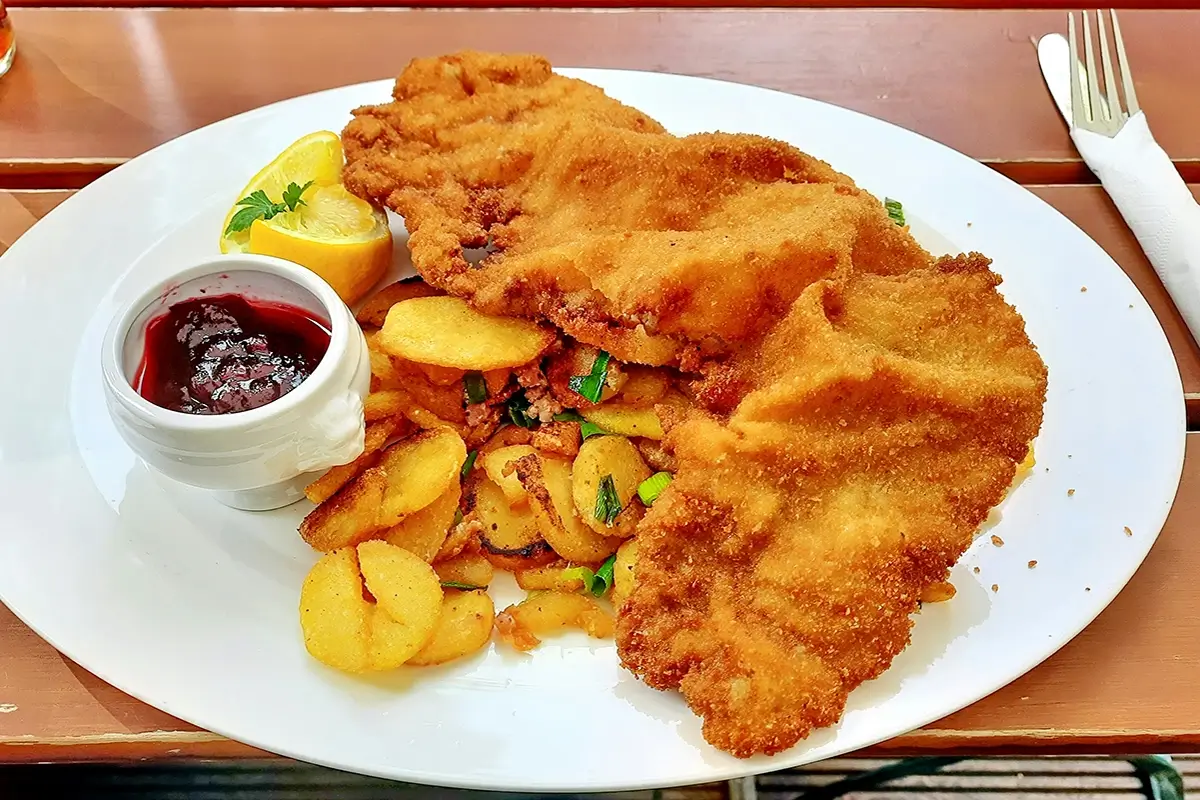
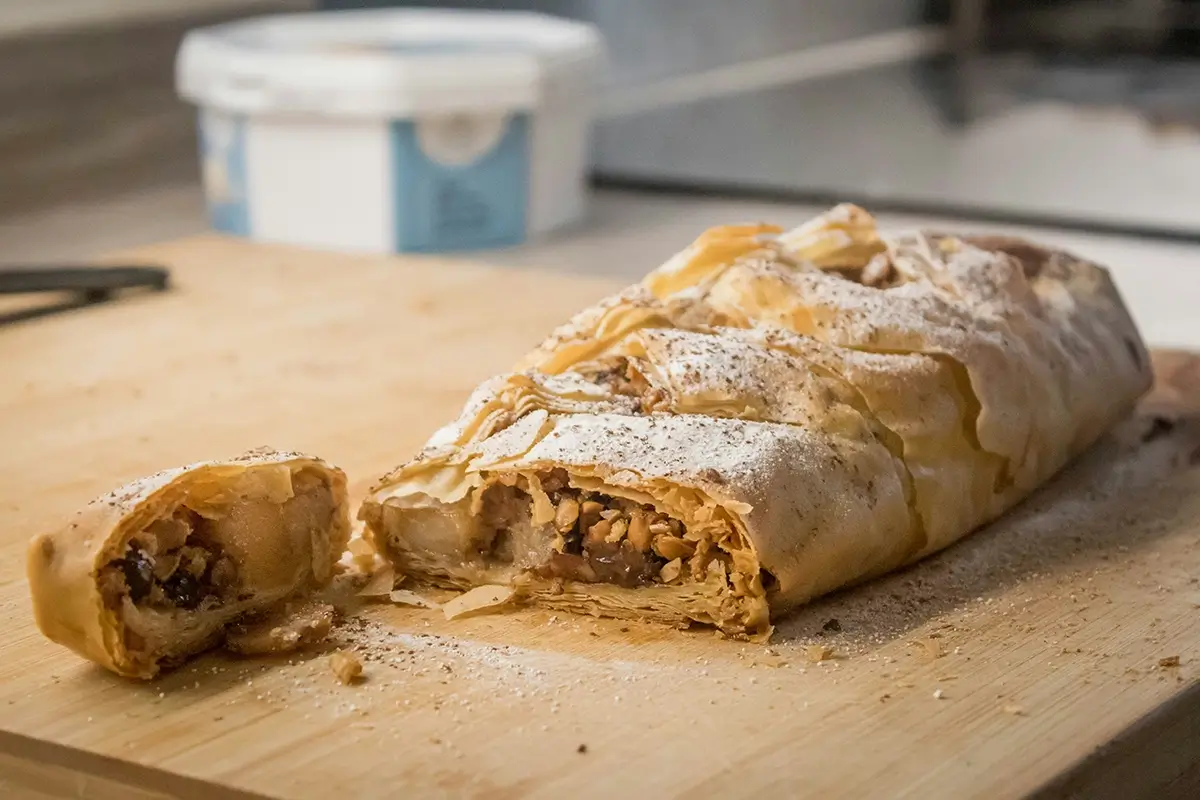
Whether you’re dining in a cosy beisl (local tavern), a traditional coffee house, or a Michelin-starred restaurant, you’ll find an abundance of comfort foods—Wiener Schnitzel, Apfelstrudel, Palatschinken, and regional dumplings (Knödel). Austrians also love their soups and stews, often flavoured with herbs, Eierschwammerl (wild mushrooms ), and fresh vegetables.
The cuisine varies by season, with autumn bringing game meats like wild boar and venison, while spring highlights asparagus from Marchfeld and Wachau apricots.
22. Viennese Coffee House Culture – UNESCO Intangible Heritage
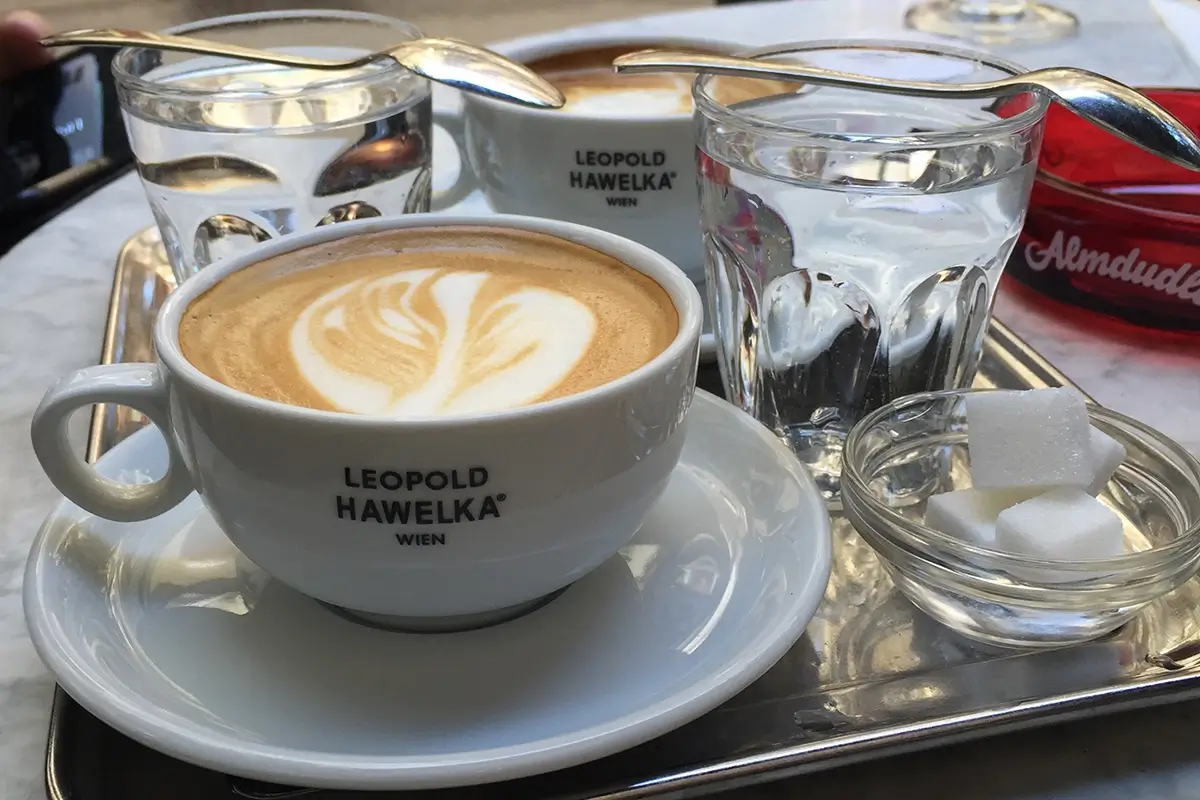
Austrian cafés are more than just places to grab a coffee—they are institutions of culture and conversation. UNESCO even recognized the Viennese Coffee House as part of Austria’s intangible cultural heritage. Each café has its own charm: try the literary vibe of Café Central, the old-world elegance of Café Landtmann, or the bohemian flair of Café Hawelka. Order a Melange and a slice of Sachertorte, and enjoy some classic Austrian Gemütlichkeit.
23. The Croissant is Viennese
While we are talking about food and Viennese Cafes- here is an interesting piece of trivia.
Though often associated with France, the croissant traces its roots back to Vienna. Legend says that during the 1529 Ottoman siege, Viennese bakers working late underground heard Turkish soldiers tunnelling beneath the city walls. Their warning helped foil the attack, and to celebrate, they baked crescent-shaped pastries symbolizing the enemy’s flag—the birth of the “Kipferl.” The pastry was later popularised in France by an Austrian officer and became the croissant we know today.
Austria is a year-round destination
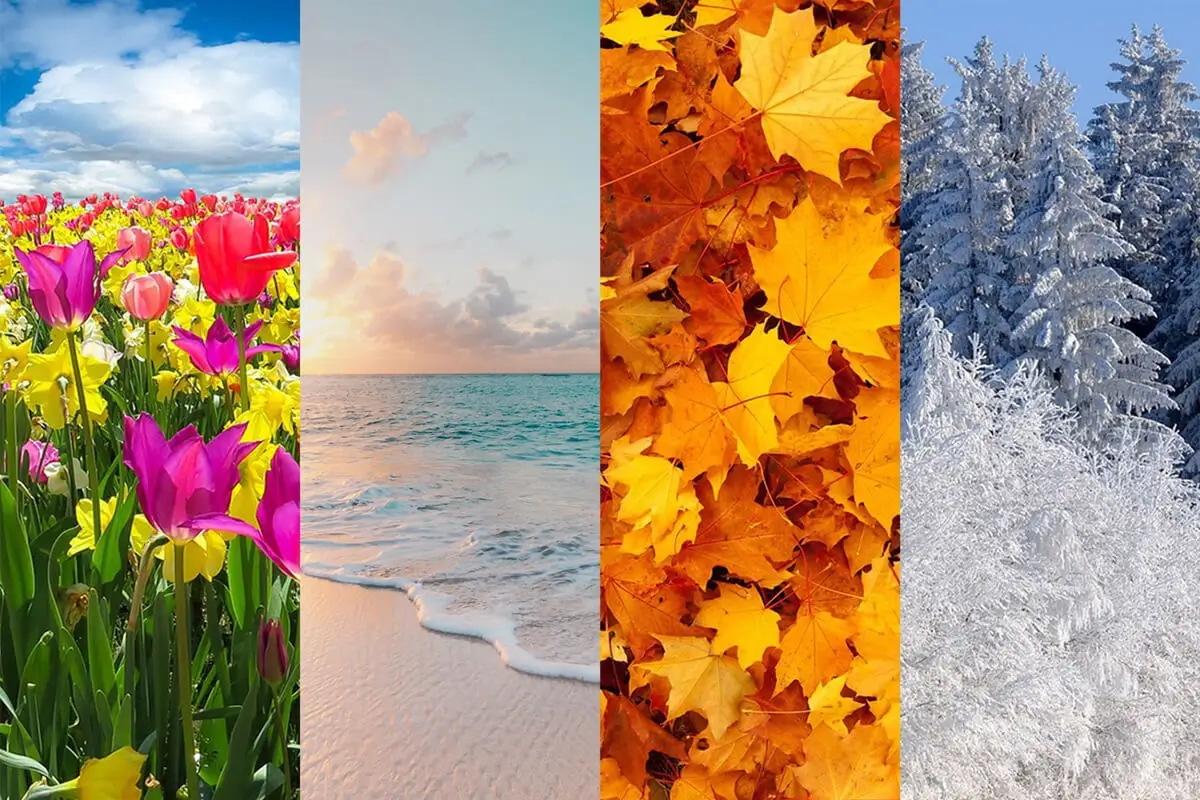
24. Austria is truly a country for all seasons
something magical whether you’re visiting in winter, spring, summer, or fall. In the colder months, Austria transforms into a winter wonderland, drawing skiers and snowboarders from around the world to its snow-covered alpine resorts like St. Anton, Kitzbühel, Ischgl, and Zell am See–Kaprun, where you can even ski on the glacier in July.
Explore Skiing in Austria for more on the country’s snowy side.
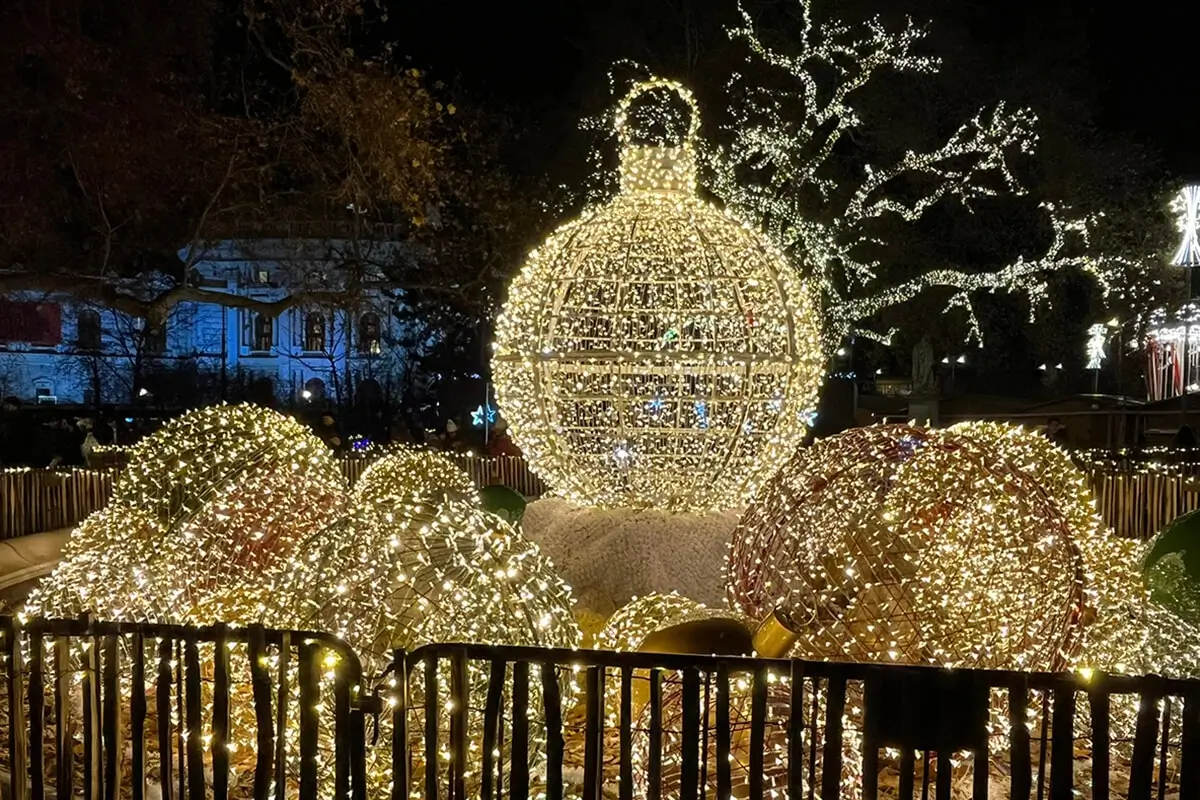
The festive season brings world-famous Christmas markets, where visitors can enjoy twinkling lights, handcrafted gifts, and steaming mugs of glühwein. You can read more in Austria at Christmas.
In summer, Austria shows off a different kind of beauty—sun-drenched alpine meadows, crystal-clear lakes, and endless opportunities for outdoor adventures. You’ll find lakes perfect for swimming, boating, and fishing, as well as panoramic hiking and cycling trails. July and August are the peak of the summer season when cities like Vienna buzz with cultural events and festivals, and locals escape to the lakes or mountains. Learn more about Summer in Austria.
And of course, spring and autumn are equally enticing with fewer crowds and beautiful transitional landscapes. Spring sees blooming gardens, alpine pastures, and Easter celebrations, while autumn brings vibrant foliage, wine harvests, and wild game menus in restaurants. Austria’s well-preserved towns, vibrant cities, and natural beauty ensure there’s always something to explore—no matter when you visit.
Austria-The Land of Music
Austria’s legacy in classical and romantic music is unmatched, thanks to a rich cultural tradition that fostered many of the world’s greatest composers.
25. Austria is the birthplace of classical music
Austria’s legacy in classical and romantic music is unmatched, thanks to a rich cultural tradition that fostered many of the world’s greatest composers.
26. Vienna is home to the waltz and operetta
Known as the “City of Music“, Vienna gave rise to the waltz and helped define European operetta — both still celebrated in concerts, balls, and festivals.

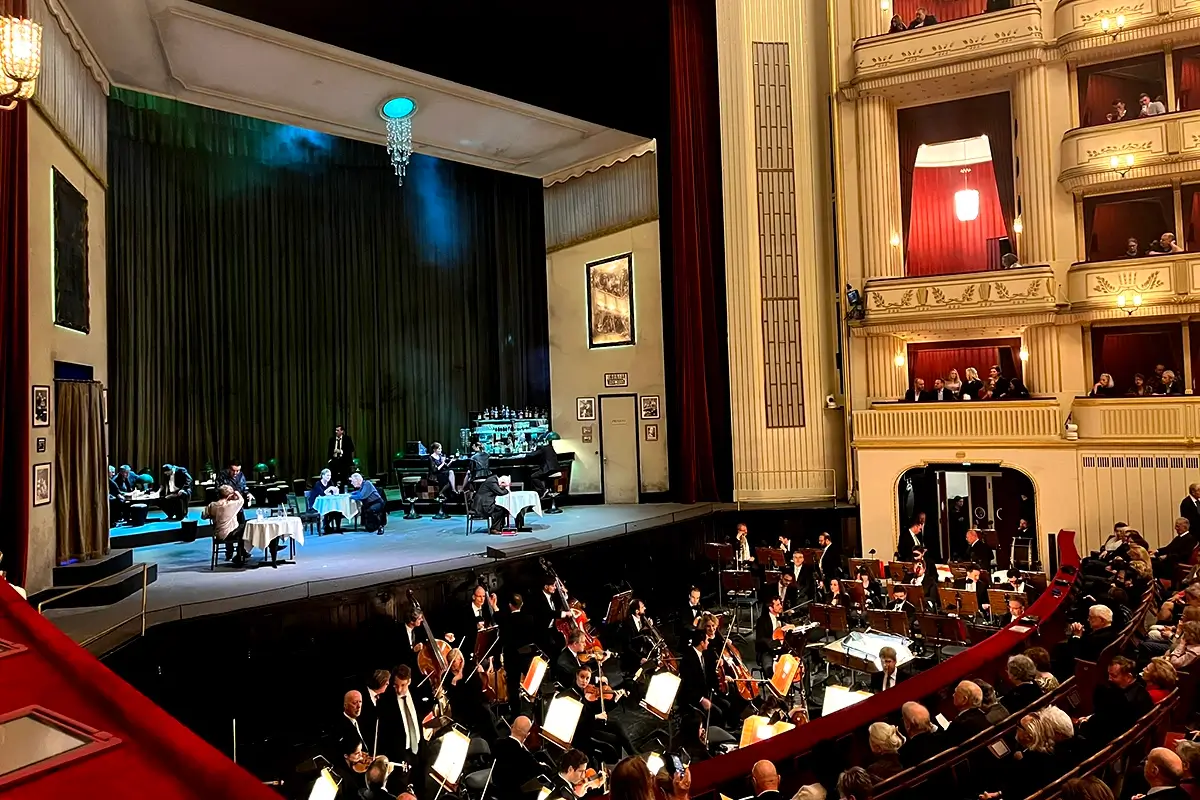
27. Vienna State Opera is world-renowned
The Salzburg Festival, held each summer, is a global celebration of opera, theatre, and classical music — all in the stunning baroque setting of Mozart’s hometown.
28. Musikverein is home to the Vienna Philharmonic
The Musikverein concert hall, especially the Golden Hall, is legendary for its acoustics. It’s also where the famous New Year’s Concert is broadcast globally from Vienna each January.
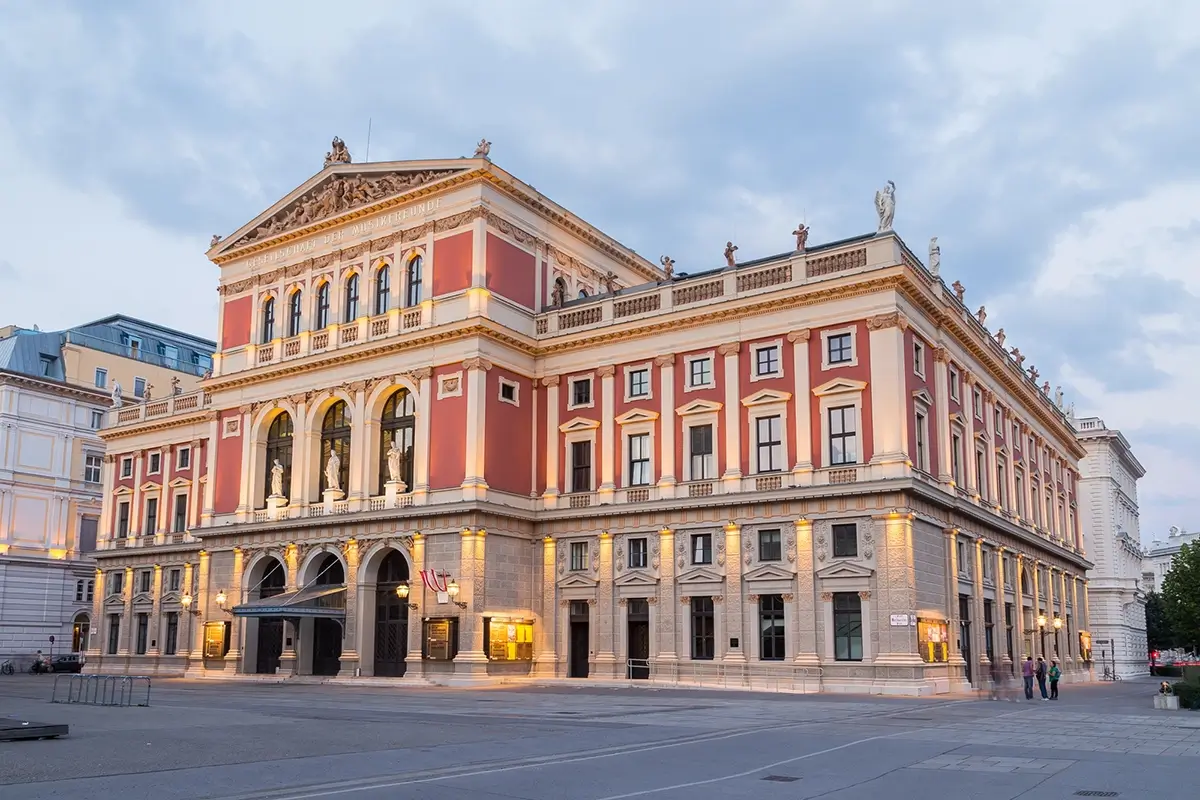
The Vienna Philharmonic, the Vienna State Opera, and the Vienna Boys’ Choir are world-renowned (and book out early), there are plenty of other incredible concerts to enjoy. Check out Vienna Classical Musical Performances.
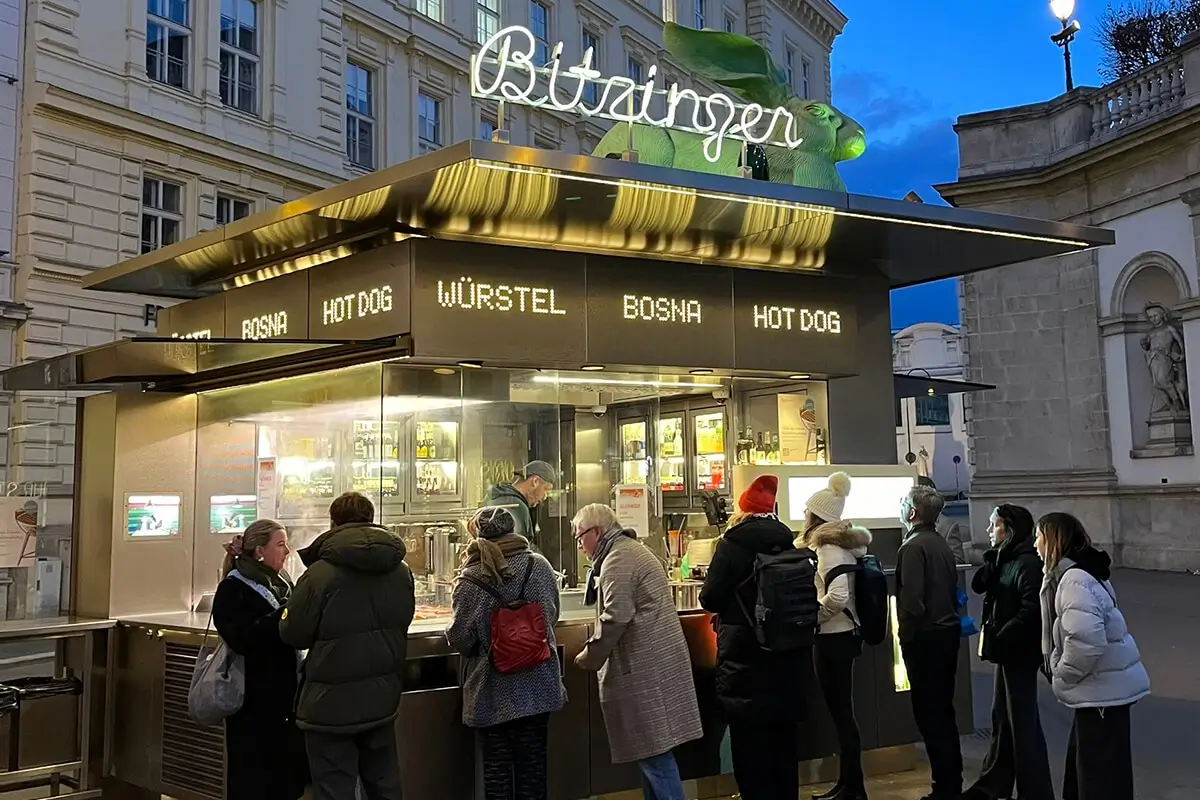
29. From Tuxedos to Käsekrainer: Vienna’s Most Stylish Sausage Stop
After an elegant night at the Vienna State Opera or the Vienna Philharmonic, it’s not uncommon to spot people still dressed to the nines—gowns, tuxedos, and all—lined up at the famous Bitzinger Sausage Stand near the Albertina.
One of the local favourites they might be indulging in is the Käsekrainer, a juicy sausage infused with melted cheese. It’s a deliciously down-to-earth way to end a high-culture evening—Viennese style !
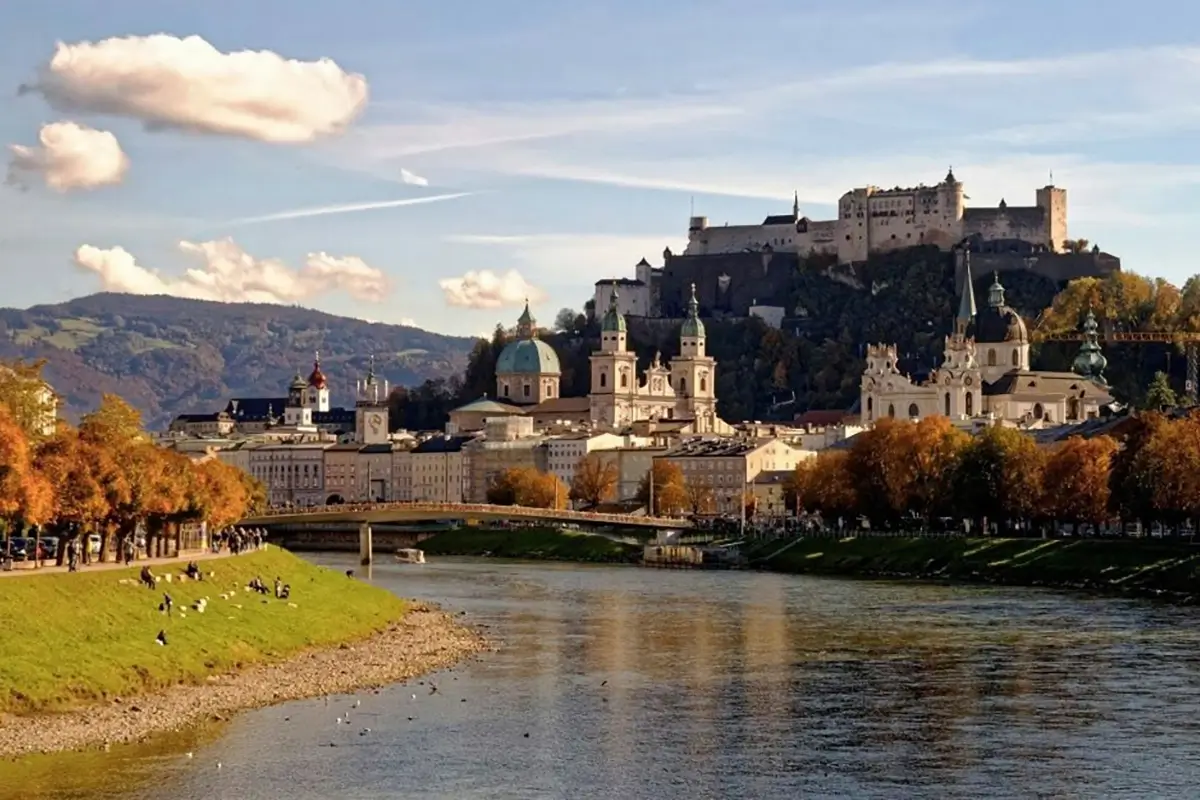
30. Salzburg hosts one of the world’s top music festivals
The Salzburg Festival, held each summer, is a global celebration of opera, theatre, and classical music — all in the stunning baroque setting of Mozart’s hometown.
Our Recommendations | Where we Stay in Salzburg
♥ When travelling to Salzburg, I enjoy staying at the charming 3-star Altstadt Hotel Hofwirt, located on the Linzer Gasse pedestrian zone- close to everything.
31. Many famous composers were born in Austria
-
-
- Mozart – Salzburg’s most famous son
- Joseph Haydn – From Rohrau, a pioneer of symphonies
- Franz Schubert – Born in Vienna
- Strauss I & II – Masters of the waltz
- Anton Bruckner – From Linz
- Gustav Mahler – Born in the Austro-Hungarian Empire, now Czech Republic
-
32. …and many chose to live in Austria
Austrians weren’t the only musical talents:
-
-
- Ludwig van Beethoven (born in Bonn, Germany) spent most of his life in Vienna
- Johannes Brahms also settled in Vienna
-
Austria-Arts & Architecture
Austria has influenced global art and architecture
From Jugendstil (Art Nouveau) to Modernism, Austrian artists have shaped entire movements.
Here are some famous artists that you may not know are Austrian.
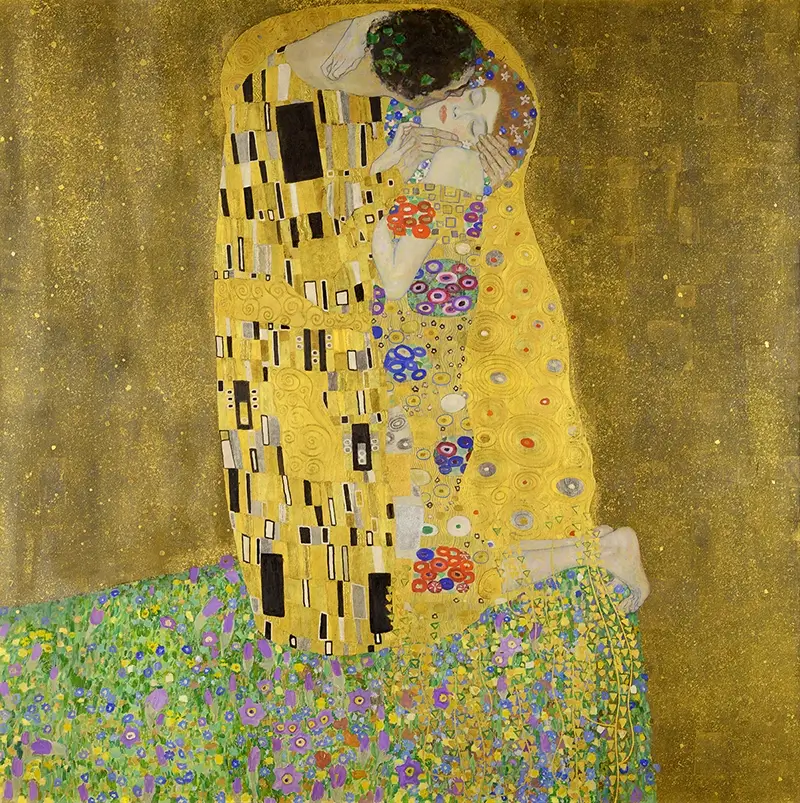
33. Gustav Klimt
Founder of the Vienna Secession, Klimt best known for using gold leaf and decorative motifs. His famous pieces include “The Kiss” and “Portrait of Adele Bloch-Bauer I” — both shimmering symbols of Vienna’s golden age.
34. Egon Shiele
A protégé of Klimt, Schiele’s intense, emotional style made him a leading figure in Expressionism
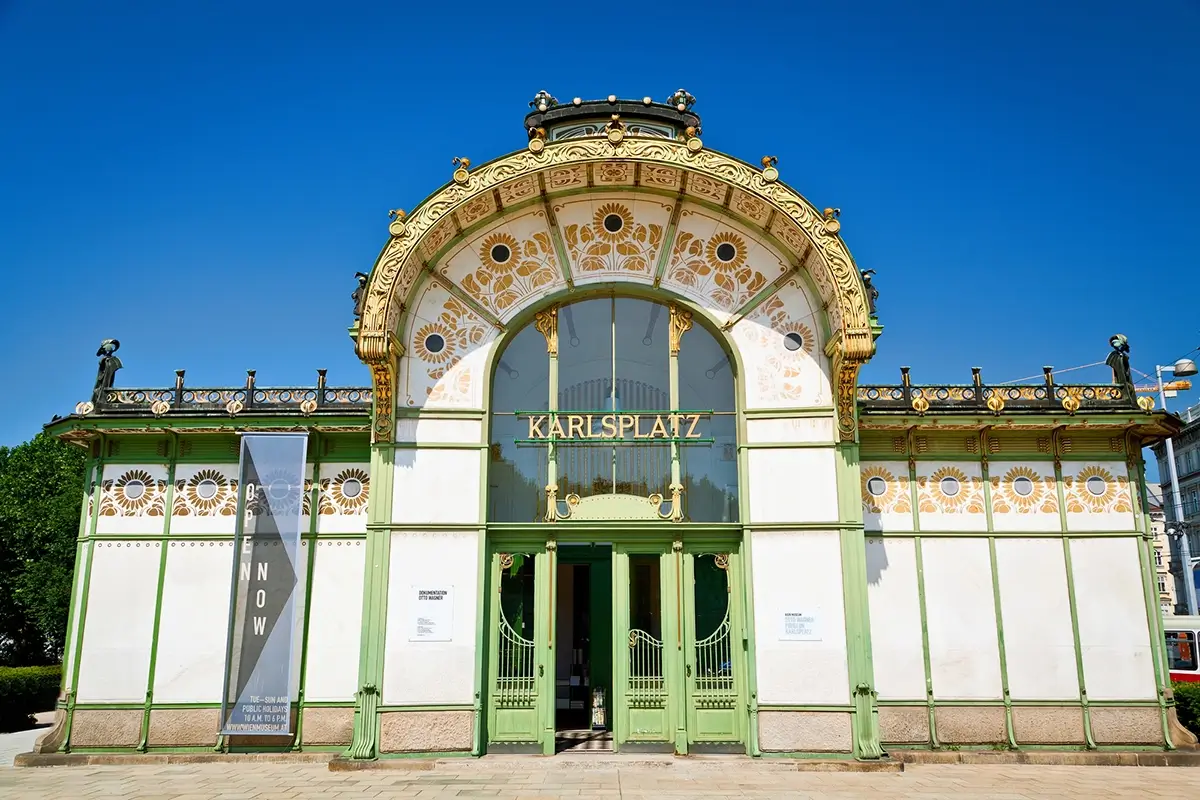
35. Otto Wagner
The “father of Viennese Modernism,” Wagner’s architecture blends function and beauty — think clean lines, curves, and tiled facades.
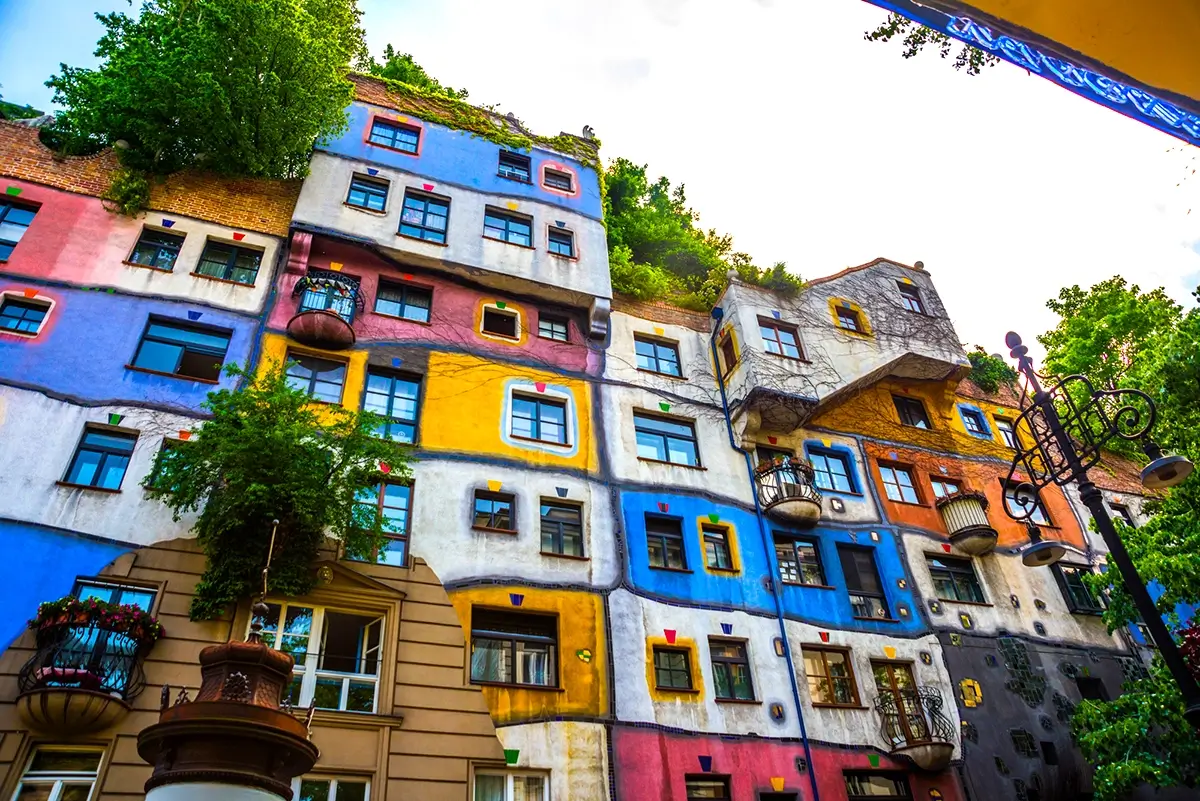
36. Friedensreich Hundertwasser
Known for his colourful, whimsical buildings, Hundertwasser championed eco-friendly design and rejected straight lines. His Hundertwasserhaus and his museum Kunsthaus in Vienna is a must-see.
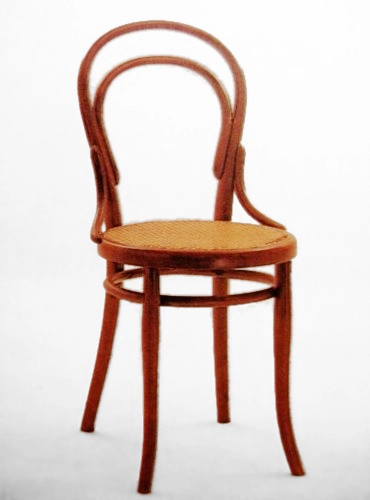
37. An Austrian invented the café chair
You’ve likely sat on a Thonet No. 14 chair — the world’s first mass-produced piece of furniture, created in 1859 by Austrian designer Michael Thonet. It helped define café culture globally.
Skiing in Austria – A National Passion
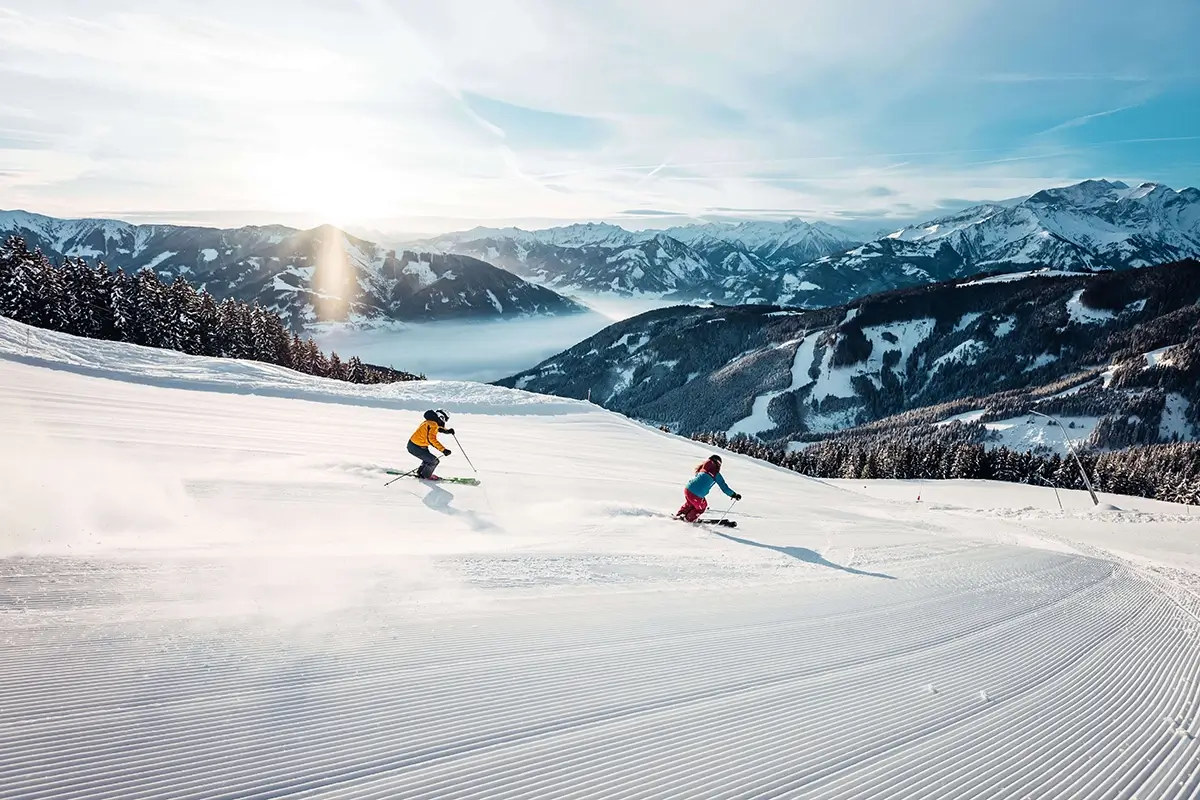
38. Skiing is the undisputed national sport of Austria
And it’s for good reason. Austria has over 400 ski resorts, many with world-class facilities, excellent infrastructure, and varied terrain for every level—from absolute beginners to seasoned pros.
© Schmitten
39. Everyone Skiis
In Austria, everyone skis—from toddlers learning in snow gardens to retirees gliding down the slopes well into their seventies. It’s a true cradle-to-grave sport here, and you’ll find multi-generational families skiing together during the winter holidays.
40. Skiing History
Austria even gave us the father of Alpine skiing, Mathias Zdarsky, who developed the first downhill technique in the late 1800s. His innovations laid the foundation for modern skiing, and the country’s legacy has grown ever since.
The first ski school in Austria was opened in St. Anton am Arlberg in 1921 by Hannes Schneider, a pioneer in ski instruction.
Today, Austria is a global leader in ski education, attracting aspiring instructors from around the world to its acclaimed programs.
41. Austria is the home of Après-ski
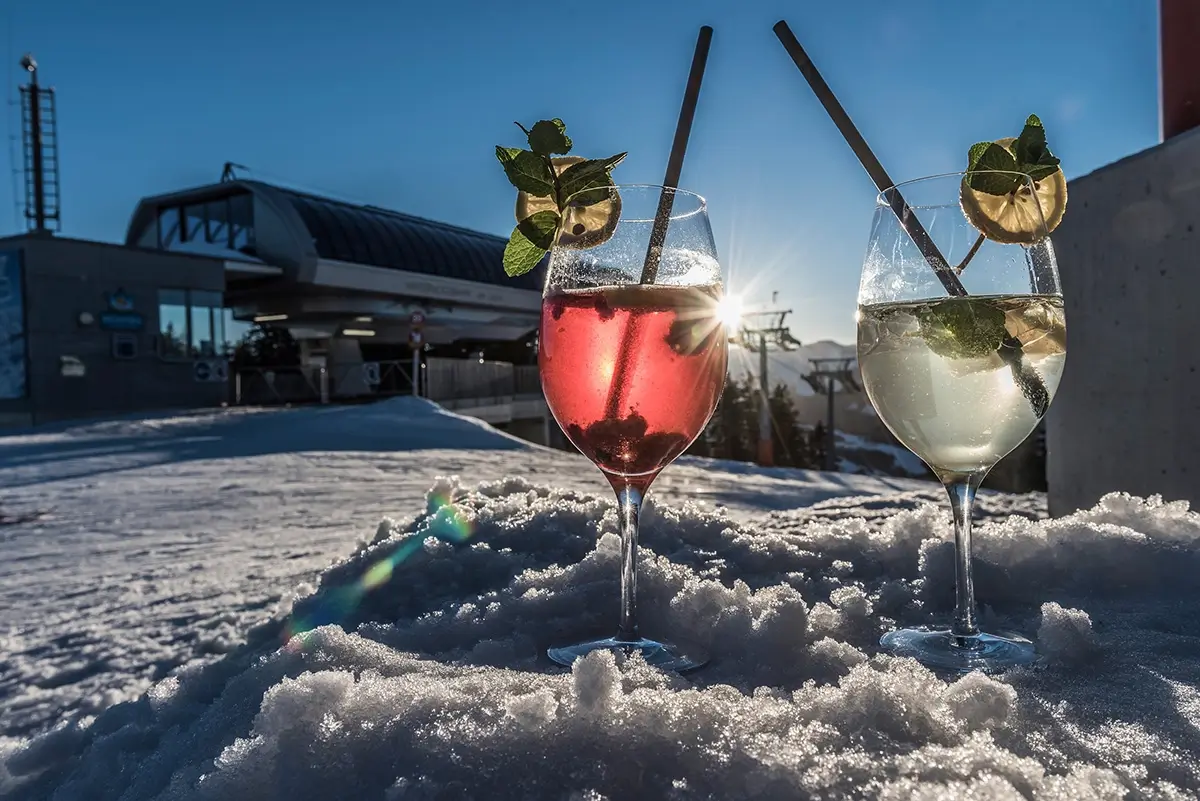
Après-ski is as much a part of the ski experience as the snow itself. Austria is famous for its lively après-ski culture, with resorts like Ischgl and Sölden offering vibrant bars, live music, and cozy mountain huts where you can toast the day with a schnapps or two.
© Hochköng Tourismus
Austrian Culture, Language and Local Life
42. Austria is not Germany
Austrians and Germans are different in culture, tone, and traditions- Much like Canadians and Americans- Australians and New Zealanders. Austria is more alpine and relaxed, with deeper ties to Central Europe via the Habsburgs.
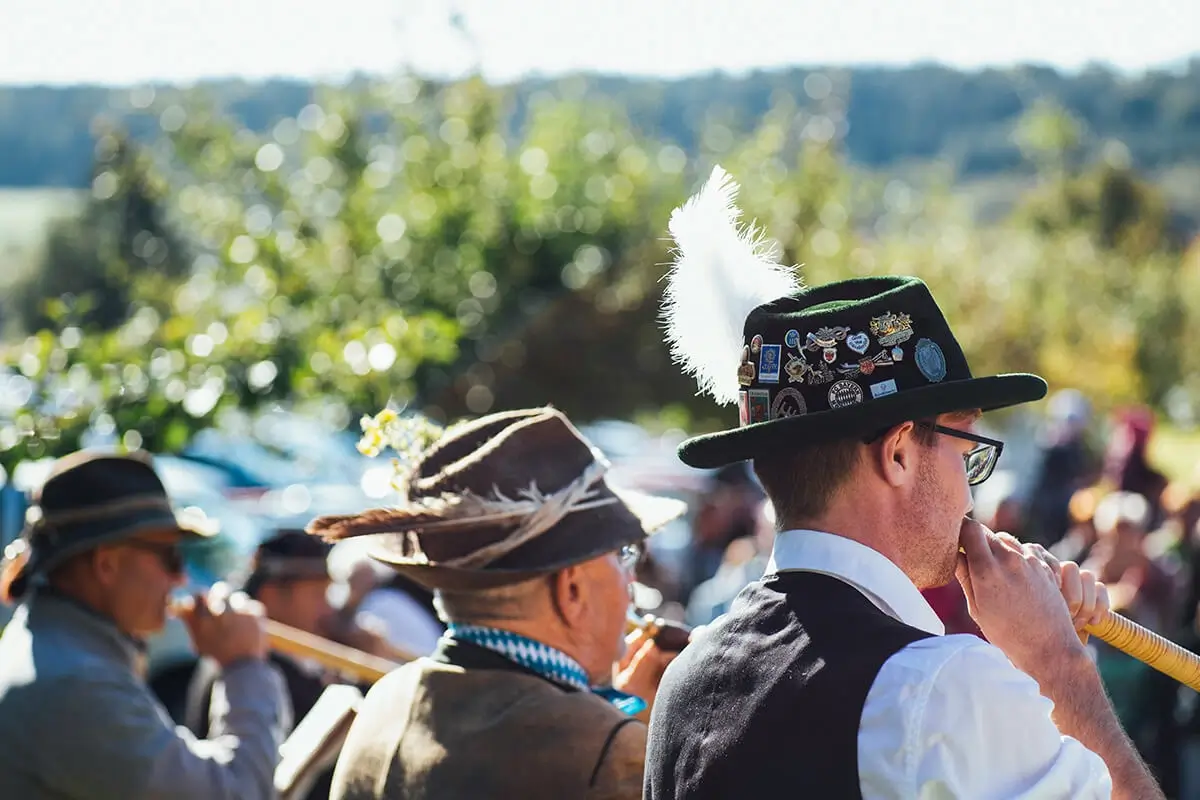
Culturally, Austria is more closely aligned with southern Bavaria than with northern Germany. Think: waltzes, cafés, and imperial flair over techno clubs and Autobahns
43. Austrians don’t just speak German
Locals speak Austrian German (Österreichisches Deutsch) — a variant with unique words, pronunciations, and soft melodic tones. The differences are due to the centuries-long influence of the Austro-Hungarian Empire.
The Austrian dialect can change dramatically every few kilometres. Austria may be small, but the dialect variations are vast. Locals proudly speak their dialects.
Even native German speakers from other countries sometimes struggle to understand Austrian German, especially in the Alps!
* Where I live in the Austrian Alps (90 minutes south of Salzburg), the locals speak a dialect known as Pinzgauerish. Another valley speaks Lungaurisch, which is different from what is spoken in Salzburg.
44. You’ll be fine in English
But even with Austrian German and all the dialects, do not worry.
Austrians rank among the top English speakers, as a second language, in the world. You’ll have no issues in cities, ski resorts, hotels, or restaurants.
In fact, many Austrians speak several languages, especially in tourism hubs.
45. Sundays are sacred, and all shops are closed
Austrians really take their day of rest seriously and keeping shops closed on Sunday is a way to preserve the Austrian quality of life. Sunday is a day to spend with your family. You will see Austrian families having long lunches and going for hikes, walks, flocking to beaches or skiing in winter.
Shops (except those in train stations, petrol stations, or tourist hubs) are legally required to close. And forget about 24-hour stores — they don’t exist here. It’s all part of preserving quality of life.
46. Cash is still king in Austria
While contactless payments are growing, paying by cash remains deeply rooted in Austrian culture. As recently as 2022, over 70% of transactions were conducted in cash.
Many places display signs saying “Nur Bargeld” (Cash only)
💡 Tip: Always carry cash, especially in alpine huts, small cafés, or when hiking. You don’t want to reach a remote mountaintop alm and find it’s cash-only.
Austria- Wealth, Safety & Sustainability
47. Austria is a wealthy country
Don’t let its size fool you — Austria consistently ranks among the most developed nations globally. With a high GDP per capita, a top-notch healthcare system, world-class education, and stable infrastructure, Austria offers a high quality of life and economic resilience.
48. Austria is incredibly safe
Austria has one of the lowest crime rates in Europe. Austria ranks as the 5th safest country in the world according to the Global Peace Index 2023.
For comparison: Australia was 22nd, the United Kingdom was 37th and the United States was 131st.
You’ll often see cafes leave furniture out overnight, and people walk alone at night with confidence — safety is simply part of daily life here.
49. Austrians are extremely law-abiding
Despite their grumbling about rules, Austrians follow them religiously:
-
- People don’t jaywalk — not even on empty streets
- Public transport uses an honour system (but fines are high if caught without a valid ticket)
- Many still leave doors unlocked in smaller towns
50. Austria is a leader in eco-conscious living
Austria takes environmental protection seriously—a clean environment, clear lakes and rivers and outstanding air quality.
Mountain-fed springs provide Austrians with some of the best drinking water in the world. Lakes and rivers are some of the cleanest in the world.
Austrians also actively participate in recycling, with over 63% of waste is recycled. This eco-friendly mindset is a point of national pride.
51. Sustainability Isn’t a Trend – It’s a Way of Life in Austria
In Austria, sustainability isn’t just a buzzword – it’s an integral part of everyday life. From the way we eat to how we travel and play, there’s a deep-rooted respect for nature that is evident everywhere.
Organic farming is widely embraced, with a strong focus on local and seasonal produce, so don’t be surprised if your meal comes straight from a nearby farm.
Getting around is eco-friendly too, thanks to a highly efficient and affordable public transport system that’s popular with both locals and visitors.
Even our ski resorts are stepping up. Take Kitzsteinhorn, for example, where the lifts run entirely on green energy, and innovative “snow farming” techniques help protect the glacier for future generations.
And the bigger picture? Austria already generates around 79% of its electricity from renewable sources, with an ambitious goal to hit 100% by 2030.
52. Austria is a nuclear-free
Austria has banned nuclear power and remains one of the few European countries that refuses to operate nuclear plants — reinforcing its commitment to clean and safe energy.
Famous Austrians
In addition to composers, artists and architects, there are many famous Austrians – from inventors, scientists, to sportsmen – those who have changed the world (or at least pop culture)
53. Red Bull was born in Austria
Invented in 1987 by Dietrich Mateschitz, Red Bull is headquartered in Fuschl am See, near Salzburg. Over 12 billion cans are sold annually — talk about giving the world wings.
54. Arnold Schwarzenegger
The “Terminator” and former Governor of California was born in Thal, Styria. He remains deeply connected to his Austrian roots and visits frequently.
55. Falco
Vienna-born pop singer of “Rock Me Amadeus” fame. This song became a global sensation, reaching the top of the Billboard charts in the US, making Falco the only artist to achieve this feat with a German-language song. His famous German songs include Der Kommissar, Vienna Calling, Jeanny and many others. Falco remains a beloved figure in Austria’s music scene and recently the “Rock Me Amadeus- the Falco Musical’ premiered in Vienna in 2023.
56. Hermann Maier
Nicknamed “The Herminator”, this Olympic gold medalist and World Cup alpine skiing legend is one of Austria’s greatest athletes.
57. Conchita Wurst
Winner of the Eurovision Song Contest 2014, drag performer Conchita Wurst (Tom Neuwirth) became an international symbol of LGBTQ+ rights and gender expression.
58. Ferdinand Porsche
Born in Maffersdorf (then part of Austria-Hungary), Porsche founded the iconic car company. The Porsche Summer family estate is in Zell am See — our hometown!
59. Gregor Mendel
Known as the father of modern genetics, Gregor Mendel was an Austrian monk whose experiments with pea plants laid the groundwork for the science of heredity.
60. Erwin Schrödinger
The famed physicist behind Schrödinger’s Cat thought experiment and the Schrödinger Equation was Austrian-born and won the Nobel Prize in 1933.
61. Christian Doppler
The Doppler Effect, used in radar, astronomy, and even weather forecasting, was discovered by Austrian physicist Christian Doppler. (So yes, he’s partly responsible for your speeding ticket.)
Surprisingly Austrian: Things You Didn’t Know Were Invented Here
62. The snow globe was invented in Austria
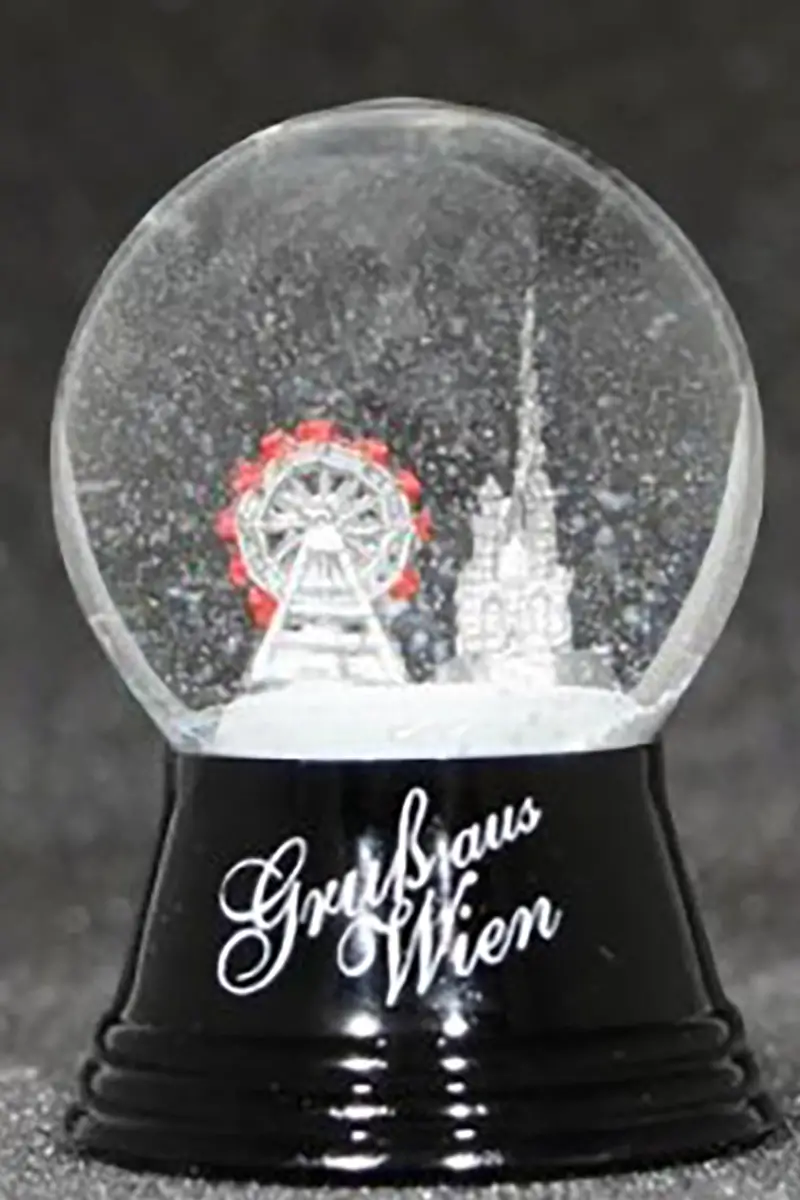
The first snow globe was created in Vienna by Erwin Perzy. You can still visit the original snow globe factory in Vienna, where they’re handcrafted the traditional way.
63. Postcards
The very first postcard was sent from Austria in 1869. Who knew this travel staple had Viennese roots?
64. It’s the Birthplace of PEZ
Those quirky little PEZ dispensers? They were invented in Austria in 1927 – initially as an adult mint, not a kids’ candy. Their purpose was to help adults stop smoking.
65. Glock – the Handgun – Is Austrian
The world-famous Glock pistol is manufactured in Austria and is one of the country’s most successful exports.
Plan your Austrian Holiday
Austria Travel Tips

Airport and Flying Travel Tips
Europe Packing Tips
Fun Facts about Austria

Austria Grocery Store Guide
Top 16 Places to Visit
12 Best Things to Do on a Rainy Day in Vienna

Free Salzburg State Transit Ticket
Austria Summer Cards
Wanderlustria's Austria Trip Planning Service
Expert advice to help you plan your Austria holiday.
Book an Austria Trip Planning Consultation
We help you plan your dream Austrian holiday.
The Wanderlustria Trip Planning Service provides advice on everything you need to know about planning your holiday to Austria- from hotels to tours, where to get the best tickets, train and road trips and share our favourite places and activities to ensure your Austria holiday is memorable.
Find the perfect Austria Travel Consultation for you
Trip Planning
Click on one of the topics below to start planning your dream trip to Austria.
How to Plan Guide
Austria Travel Tips & Info
Budget for your trip
Accommodation Guides
Transport Guides
Visas and ETIAS
When to Visit Austria
Austria Holidays
Festivals & Events

Mobile Phones in Austria
Wanderlusting where to visit in Austria?
Read these Articles for Recommendations, Tips and Advice on Sights to See and Things to Do
Top 16 Places to Visit in Austria
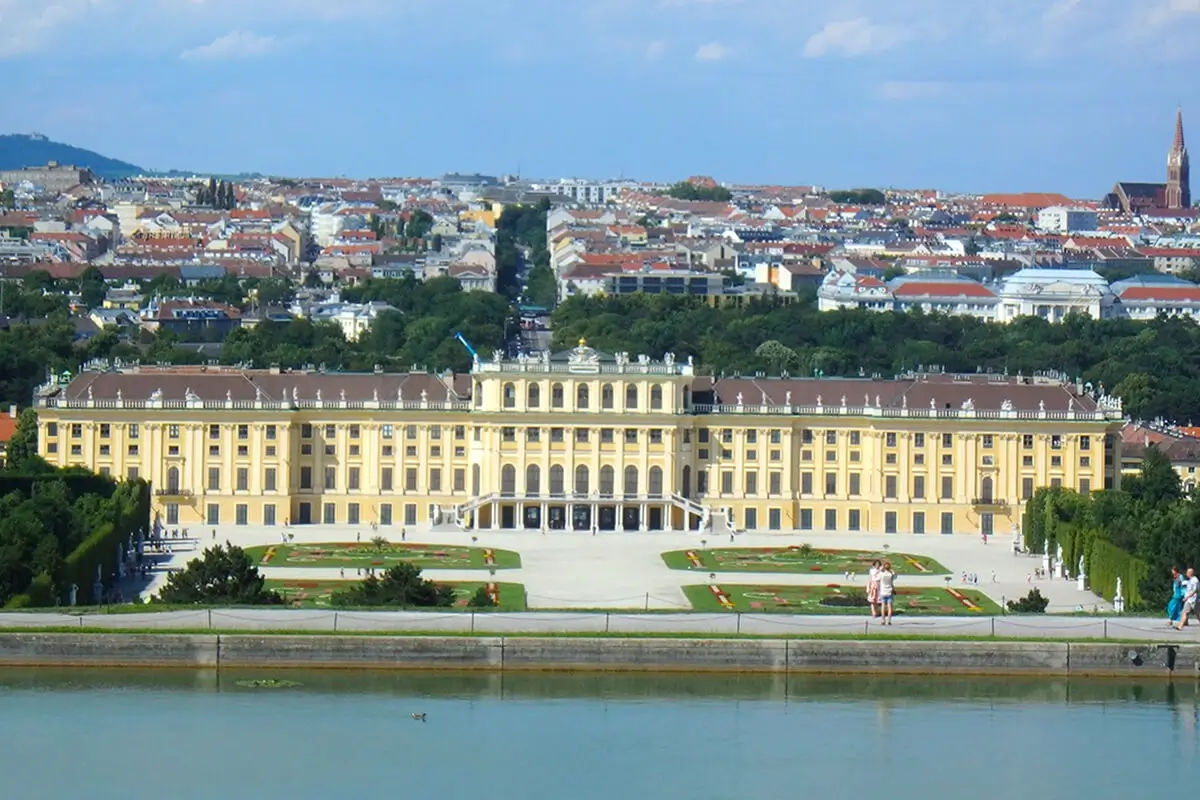
Vienna Top 30 Bucket List
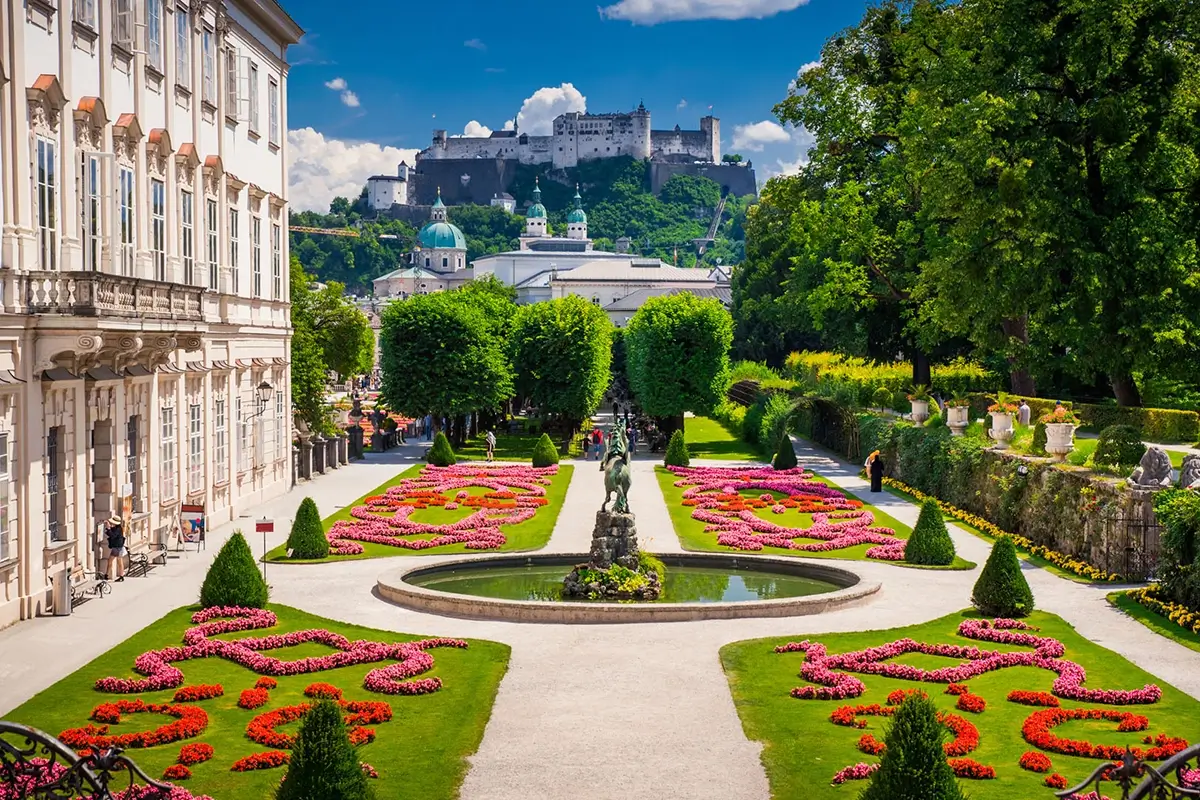
Salzburg Bucket List
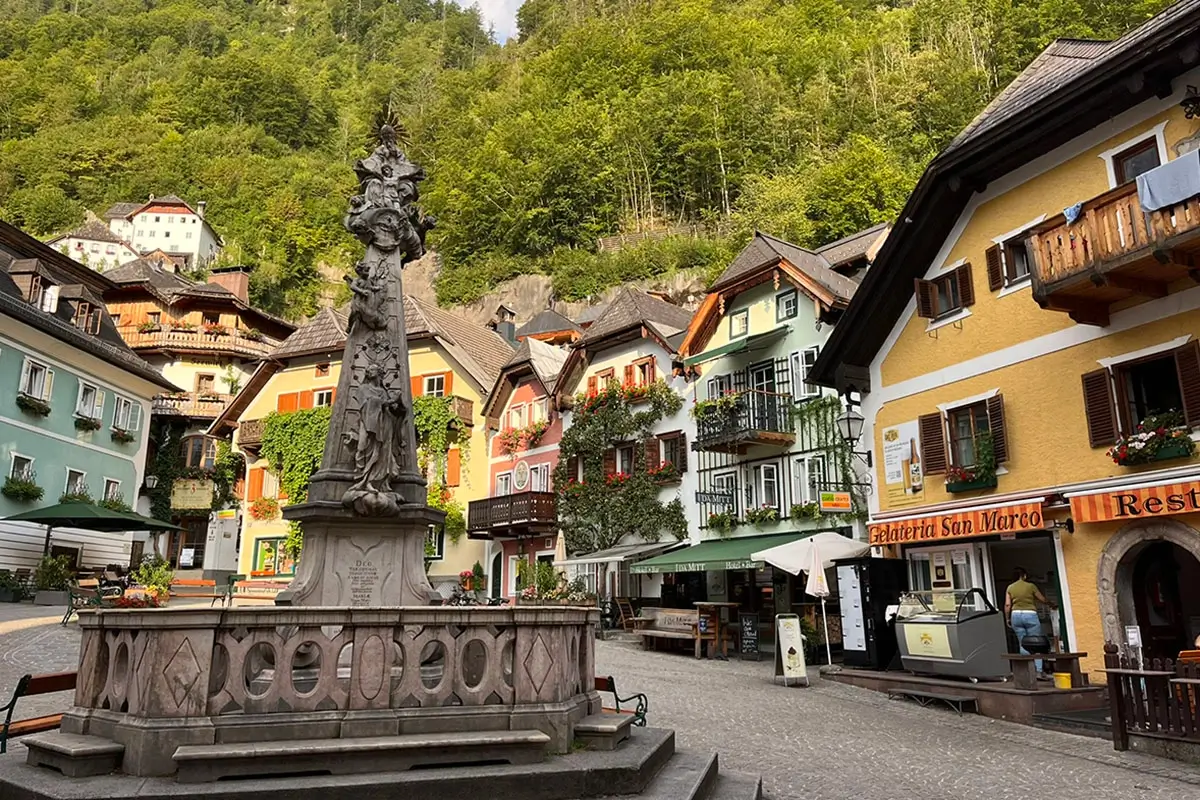
Hallstatt Bucket List
Zell am See-Kaprun Bucket List
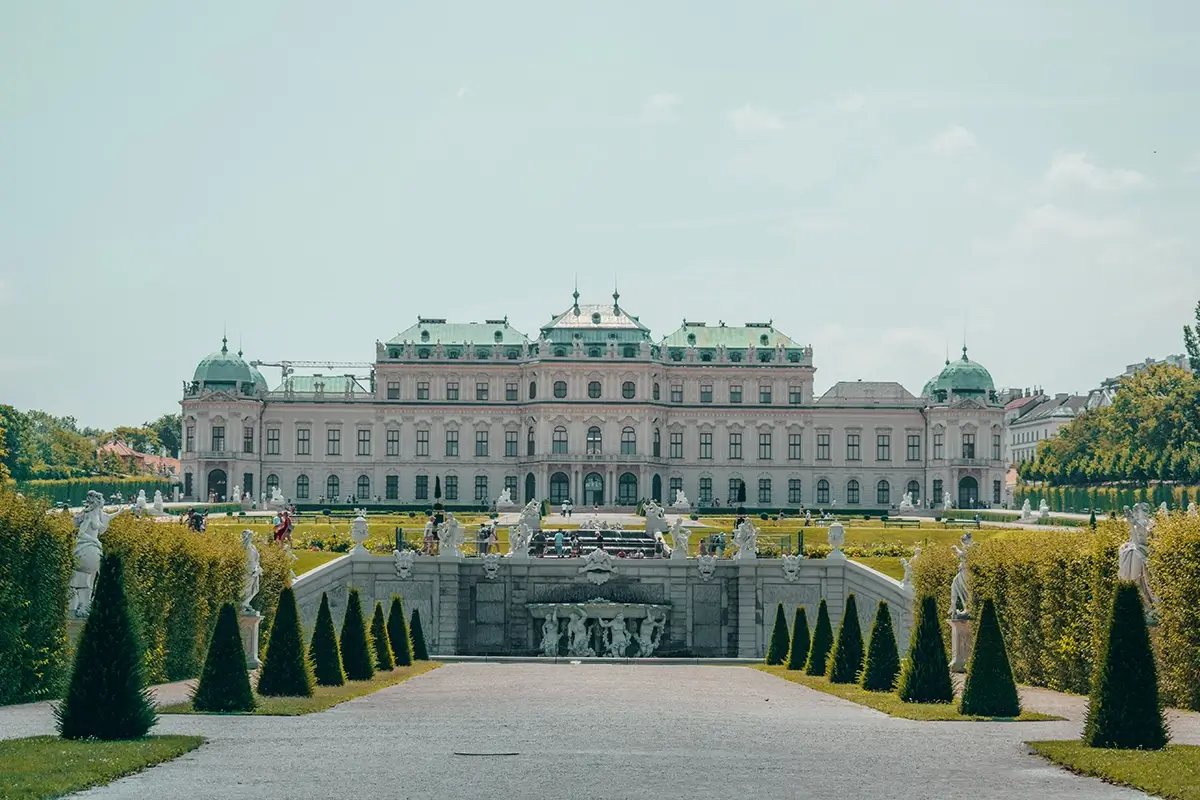
Vienna Guide
Salzburg Guide
Hallstatt Guide

Zell am See-Kaprun Guide
Related Articles
Related
Easter Markets in Vienna
Planning to visit the Easter Markets in Vienna? This guide covers the best markets, dates, locations, and local tips to help you experience Vienna’s colourful spring traditions, handcrafted decorations, and festive food stalls across the city.
Zell am See Ski Resort Guide: Schmittenhöhe
Explore the Zell am See Ski Resort and Schmittenhöhe, from beginner-friendly slopes to advanced runs, snowparks, après-ski spots, mountain dining, and non-ski winter activities. This complete guide helps you plan the perfect alpine holiday in Austria.
Skiing in Austria: Best Resorts Near Salzburg
Salzburg is the perfect base for skiing in Austria, offering quick access to world-class resorts. From snow-sure glaciers to family-friendly slopes, explore the top ski destinations, insider tips, and practical planning advice for an unforgettable alpine holiday.
Chief Wanderlust’er and Austria travel expert, I’m on a mission to help you uncover the magic of Austria — from fairytale cities and alpine villages to awe-inspiring landscapes and rich cultural traditions.
As the founder of Austria Wanderlust Travel Planning, the Austria Travel Planning Facebook Group, and director of Wanderlustria eU, I provide trusted tips, local insights, and curated resources to make your Austrian adventure seamless, authentic, and unforgettable.