Driving in Austria: Essential Tips for Travellers
Driving in Austria is one of the most rewarding ways to experience the country.
If you are picturing mountain roads, lakeside villages and the freedom to stop whenever something beautiful appears, then driving in Austria can be a fantastic option.
From smooth motorways to quiet regional roads, getting behind the wheel gives you access to places many visitors never see.
As someone who lives in Austria, I can say that its compact size, well-maintained road network and clearly signed routes make driving far easier than many travellers expect.
Once you understand how things work, navigating the country becomes straightforward and even enjoyable.
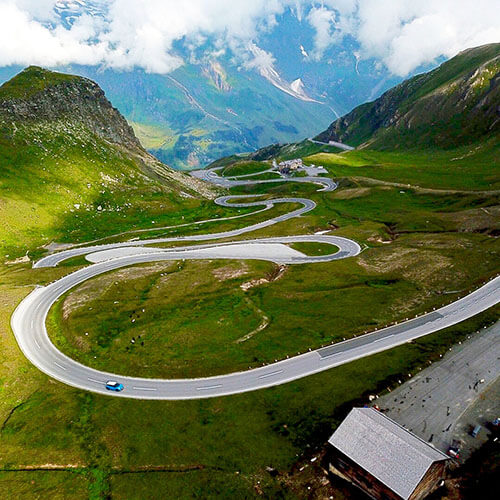
Driving opens up parts of Austria you simply cannot experience any other way.
Small alpine villages, peaceful lake districts and winding mountain roads are where the country really shines.
The journey itself becomes part of the experience as roads lead past snow-capped peaks, through historic towns and along some of the most scenic routes in Europe.
At the same time, Austria has strict road rules, a strong driving culture and a few surprises that can catch visitors out if they arrive unprepared.
Knowing what to expect before you drive makes all the difference.
✨ Want the best of Austria delivered to your inbox? ✨
Sign up to the Wanderlustria Newsletter for Free
Hi, I’m Tammy, the founder of Wanderlustria and the Austria Travel Planning Facebook group.
I live in Austria and spend a lot of time exploring it by car, not just on big road trips but for everyday travel across regions.
I know what works, what does not, and what visitors wish they had known earlier.
This post is written from real experience driving on Austrian motorways, rural roads, and mountain passes.

Copyright: Unless otherwise stated, all images on this website are copyright Wanderlustria e.U.
Disclosure: Some links on this page are affiliate links. If you make a purchase through them, I may earn a small commission at no extra cost to you. This helps support Wanderlustria and allows me to continue creating free Austria travel resources and guides. Read Disclaimer and Terms & Conditions
Join the Austria Travel Planning Facebook Group
Follow us on:
Tips for driving in Austria
1. Is Driving in Austria Right for Your Trip?
Driving in Austria can be a fantastic way to explore the country, especially if you want to reach alpine villages, scenic lakes, and quiet countryside that trains and buses rarely reach.
The roads wind past snow-capped peaks, through historic towns, and along some of the most picturesque routes in Europe, giving you freedom to stop wherever something catches your eye.
➡️ If your plans are mostly focused on major cities, trams and trains may make more sense, as parking, one-way streets, and congestion can make city driving stressful.
The key is understanding when driving adds value and when it adds unnecessary hassle.
For travellers weighing up whether to drive or rely on public transport, this sits alongside resources like Getting Around Austria and the Train Guide as an honest look at whether a car suits their travel style.
2. What you need to drive legally in Austria
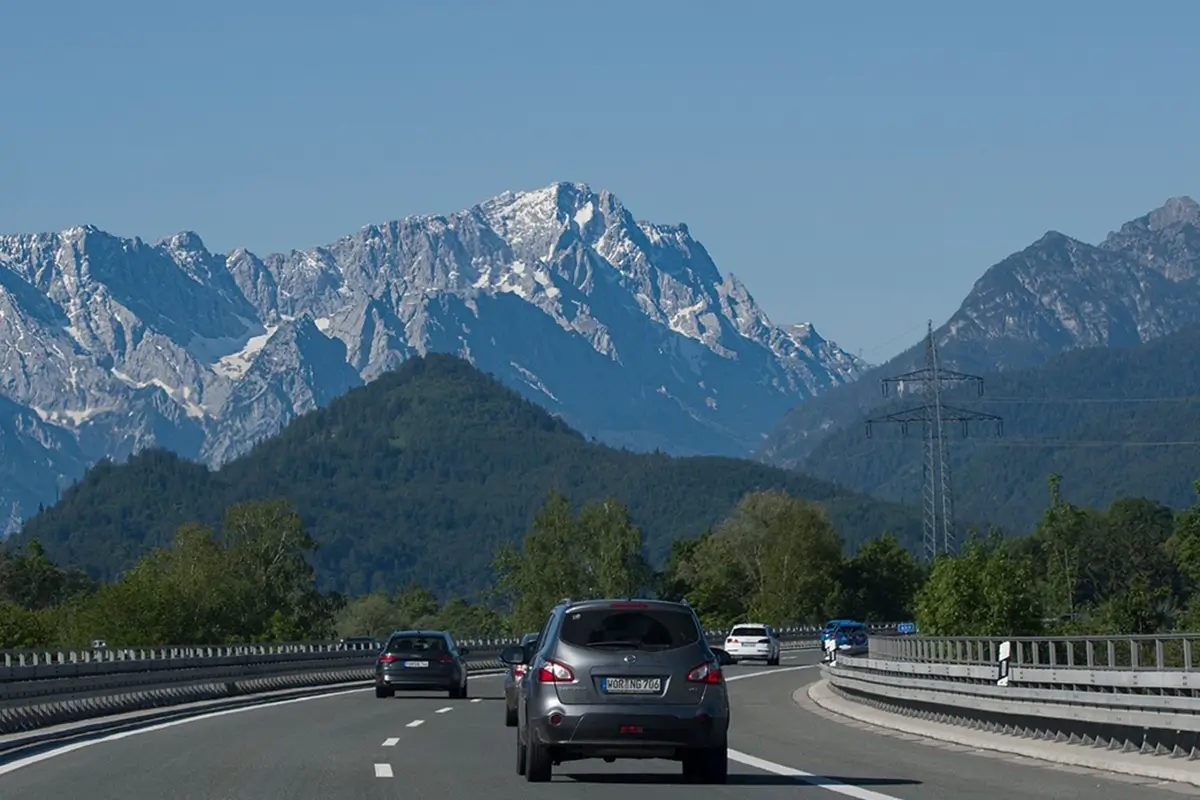
Before driving in Austria, ensure you meet all legal requirements.
Every driver must carry a valid driving licence.
If you hold a licence from outside the EU or EEA, you also need an International Driving Permit (IDP).
You can organise an IDP through authorised automobile associations before your trip—for example, the Canadian Automobile Association (CAA) in Canada, AAA/AAT in the US, or State/Territory Motoring Clubs in Australia.
For UK drivers, an IDP is not required if you hold a photocard licence from the UK, Gibraltar, Guernsey, Jersey, or the Isle of Man. If you are renting a car, always check whether the hire company requires an IDP.
Even if the rental agency does not ask for it, Austrian law still requires non-EU/EEA drivers to carry an IDP alongside their national licence.
Local authorities may request it during routine checks or after an accident.
Driving without an IDP on a non-EU/EEA licence is illegal and can result in fines, vehicle impoundment, and insurance issues. Explaining the situation in German to the police can be extremely difficult if you don’t speak the language, and in the event of an accident, missing or invalid documentation could lead to serious insurance complications.
You should also carry your passport and vehicle registration or rental agreement at all times.
Austrian law requires certain safety equipment to be in the vehicle, including a warning triangle, reflective vests for all passengers, and a first-aid kit.
Checking these items before you drive ensures you stay compliant with the rules and avoid fines.
3. General Driving Rules in Austria
When driving in Austria, it’s important to understand the general rules of the road and local driving etiquette to stay safe and avoid fines.
Austria drives on the right-hand side of the road, and overtaking is always done on the left.
At intersections without signs, yield to traffic coming from the right.
Priority roads (Vorfahrtstraße) indicate which vehicles have the right of way, and no-entry zones (Einfahrt verboten) must be obeyed at all times.
Seat belts are mandatory for all passengers, and children under 14 years old or under 150 cm in height must use an appropriate child restraint system.
Austria has strict alcohol limits for drivers. The legal blood alcohol limit is 0.05%, and for new or young drivers it is 0.01%.
Drink-driving is taken very seriously, with fines, license suspension, or even criminal charges possible.
Always avoid drinking if you plan to drive, and be aware that local police frequently conduct random checks.
Mobile phone use while driving is permitted only with a hands-free system.
Dipped headlights should be used in low visibility and are recommended during the day to improve visibility.
When driving in Austria, many road signs will look familiar if you’ve driven elsewhere in Europe, but there are a few that are more common or uniquely important here.
Pay attention to priority signs, traffic-calmed zones, and mountain road warnings, as these often determine right of way or indicate hazards.
Familiarising yourself with standard European traffic symbols, along with Austrian variations, will make driving safer and smoother.
Roundabouts, or Kreisverkehr, are common across Austria.
Traffic inside the roundabout flows counterclockwise and always has priority. When approaching, yield to vehicles and pedestrians already in the circle, and signal only when exiting. In single-lane roundabouts, stay in your lane, and in multi-lane roundabouts, use the right lane for the first or second exit (right/straight) and the left lane for later exits.
Do not stop inside a roundabout—if you miss your exit, go around again.
Other important points include keeping a safe following distance, particularly on motorways and in winter conditions.
Use the right lane for normal driving on multi-lane roads and only overtake on the left.
Horns should be used only to warn other drivers, not unnecessarily.
Cyclists and pedestrians have strong right-of-way protections, so always remain alert around them.
Emergency lanes must only be used in actual emergencies.
Following these general rules and local etiquette will make your driving in Austria smoother, safer, and more enjoyable while helping you avoid fines or accidents.
4. Renting a Car in Austria
Comparing offers is the best way to find a good deal that suits your trip, whether you are planning a short city break or a longer road trip. We recommend checking AutoEurope for competitive rates and flexible options, including one-way and longer-term rentals.
For a more detailed look at hiring a vehicle, you can read our full guide, Renting a Car in Austria – Essential Info for Travellers.
5. Motorbike Rules and Regulations in Austria
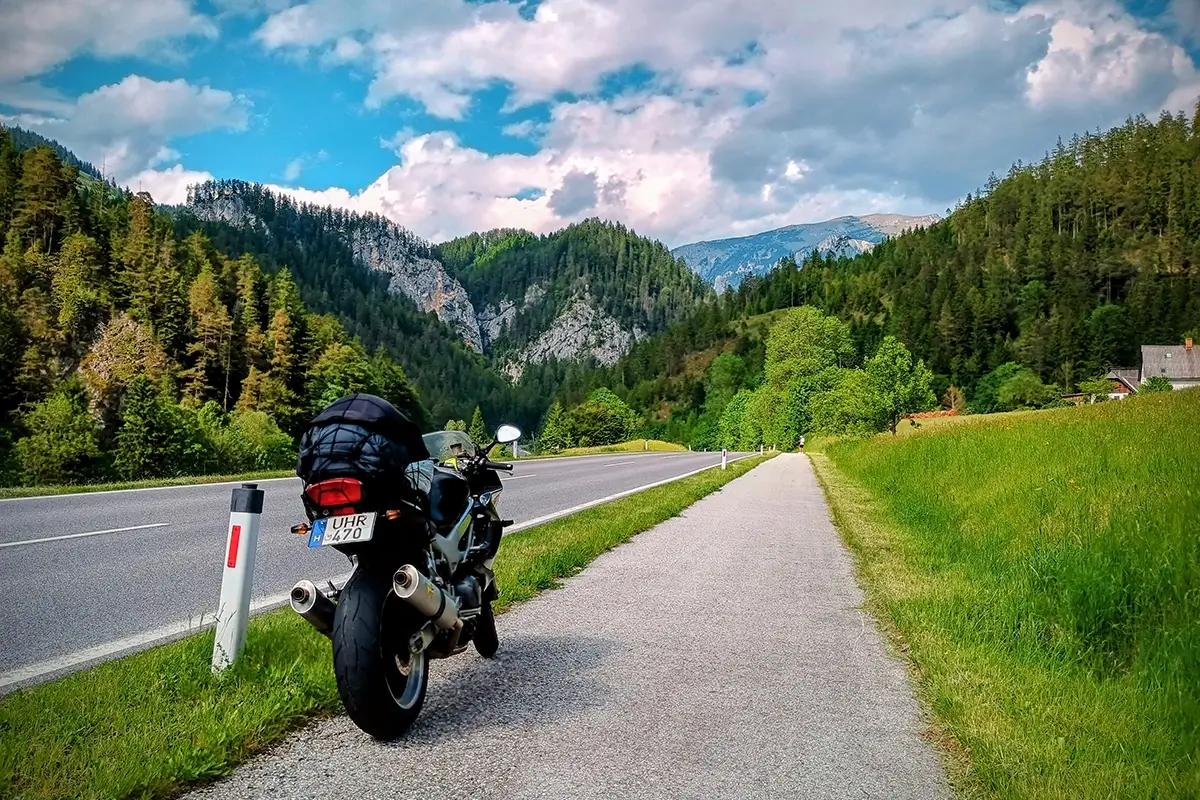
Austria offers some of the most scenic motorbike road trips in Europe, from winding alpine passes to quiet countryside routes.
If you are planning to ride, you must follow all standard driving rules in addition to specific motorcycle regulations.
Riders need a valid Class A licence to operate a full-sized motorcycle.
For younger riders, licences may be restricted to A1 or A2 categories depending on age and engine power, typically starting at 18 to 20 years old.
Helmets must meet ECE 22-05 standards, and daytime running lights are mandatory.
It’s also mandatory to carry a dust-proof first-aid kit.
Always carry your driving licence, passport, and vehicle registration.
Non-EU/EEA riders must also have an International Driving Permit (IDP).
6. Speed Limits in Austria
If not otherwise indicated, the following maximum speed limits apply for cars and motorcycles in Austria:
- Residential areas: 30 km/h (approx. 18 mph)
- Within town limits: 50 km/h (approx. 31 mph)
- On the open road: 100 km/h (approx. 62 mph)
- On expressways: 100 km/h (approx. 62 mph)
- On motorways: 130 km/h (approx. 80 mph)
TIP: In most towns and villages, there may not be a separeate speed limit sign when you enter.
BUT the speed limit is 50 km/hr as soon as you pass the town/village sign, so stay alert to avoid fines.
7. Austria Toll Roads and Vignette Explained
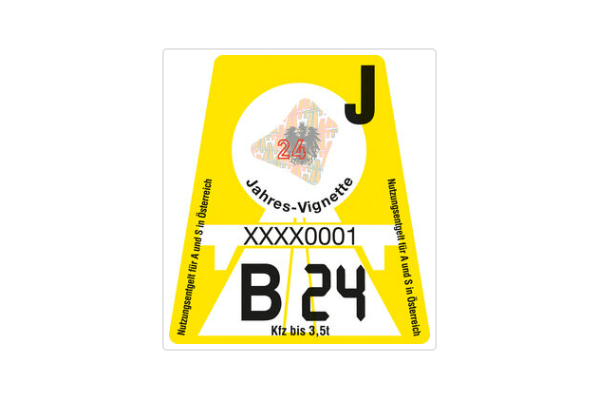
All Austrian motorways (Autobahnen) and expressways (“S” roads) require a toll pass, known as a vignette.
Traditional sticker vignettes can currently be purchased at petrol stations, post offices, and newsagents (Tabak).
If you’re entering Austria from another country, vignettes are sold at petrol stations near the border.
The sticker must be clearly displayed inside your vehicle’s windshield as you enter Austria.
From 2027, vignettes will only be available online, so it’s important to plan ahead.
Driving without a valid vignette can result in an immediate fine of €120–240. Police and toll officials frequently conduct spot checks at motorway exits, and toll roads are monitored with cameras, so compliance is strictly enforced.
Some special roads and tunnels, called Sondermautstrecken, require an additional toll separate from the vignette.
These must be paid at toll booths or via digital tickets, so always check your route in advance to avoid surprises.
For more detailed guidance, see the Austria Toll Road-Vignette Guide.
8. Navigation and Toll Avoidance Driving Tips
Pay attention to short stretches of tolled roads, even when avoiding motorways. Some expressways and tunnels are Sondermautstrecken and require a separate toll that may not be obvious on all navigation apps. Knowing these in advance helps prevent unexpected stops or fines.
Using updated maps, local apps, or the guidance in the Austria Toll Road-Vignette Guide can make navigation easier. Planning ahead also allows you to incorporate scenic detours, rest stops, and lake or mountain views into your journey, making driving in Austria both practical and enjoyable.
9. Fuel Types and Service Stations in Austria
All common types of fuel are available in Austria, though some names differ from other countries.
Unleaded petrol comes in regular 91-octane and Euro-Super 95-octane grades, both widely available at all petrol stations.
The sale of leaded petrol is prohibited; for older cars without a catalytic converter, an additive is available at gas stations.
Diesel and LPG are also commonly offered.
Most petrol stations are self-service.
Typically, you fill up first and then pay inside the station hut. Prepayment is uncommon.
Payment can usually be made with cash, debit card, or credit card (Visa and Mastercard are widely accepted).
Many stations remain open on Sundays and often provide basic groceries or snacks.
In smaller towns and villages, petrol stations may close around 8 or 9 pm, so plan accordingly.
On the Autobahn, stations are generally open later and often include rest areas with food, toilets, and convenience facilities, making long drives easier and more comfortable.
10. Electric Car Charging in Austria
Austria now has more than 27,000 charging points, making it one of the top 10 countries in Europe for public EV infrastructure.
Finding a charging station is generally straightforward, whether you’re in cities, along motorways, or in tourist regions.
Many hotels, some B&Bs, sightseeing locations and even ski resort parking lots have e-charging stations.
Ultra-fast chargers are available at most major motorway rest stops (Raststationen) through networks such as SMATRICS, EnBW, and IONITY.
Over 60 Park and Ride locations also provide charging for rail travellers.
Supermarkets and retail chains including BILLA PLUS, PENNY, IKEA, and Lidl frequently have charging stations in their parking lots.
In urban hubs like Vienna, chargers are commonly found in public parking garages (for example, WIPARK and APCOA) and even on street corners in central districts.
The Salzburg–Zell am See–Kaprun region is known for having one of the highest densities of chargers per inhabitant in Austria.
To use these chargers, you will need a method to start and pay for the session, such as a charging card (RFID), a smartphone app, or, increasingly, a contactless credit or debit card.
Planning ahead ensures you can keep your EV topped up, even in alpine or more remote regions.
You can find e-charging stations on PLACETOPLUG map and ELECTROMAPS
11. Driving in Austrian Cities: What to Expect
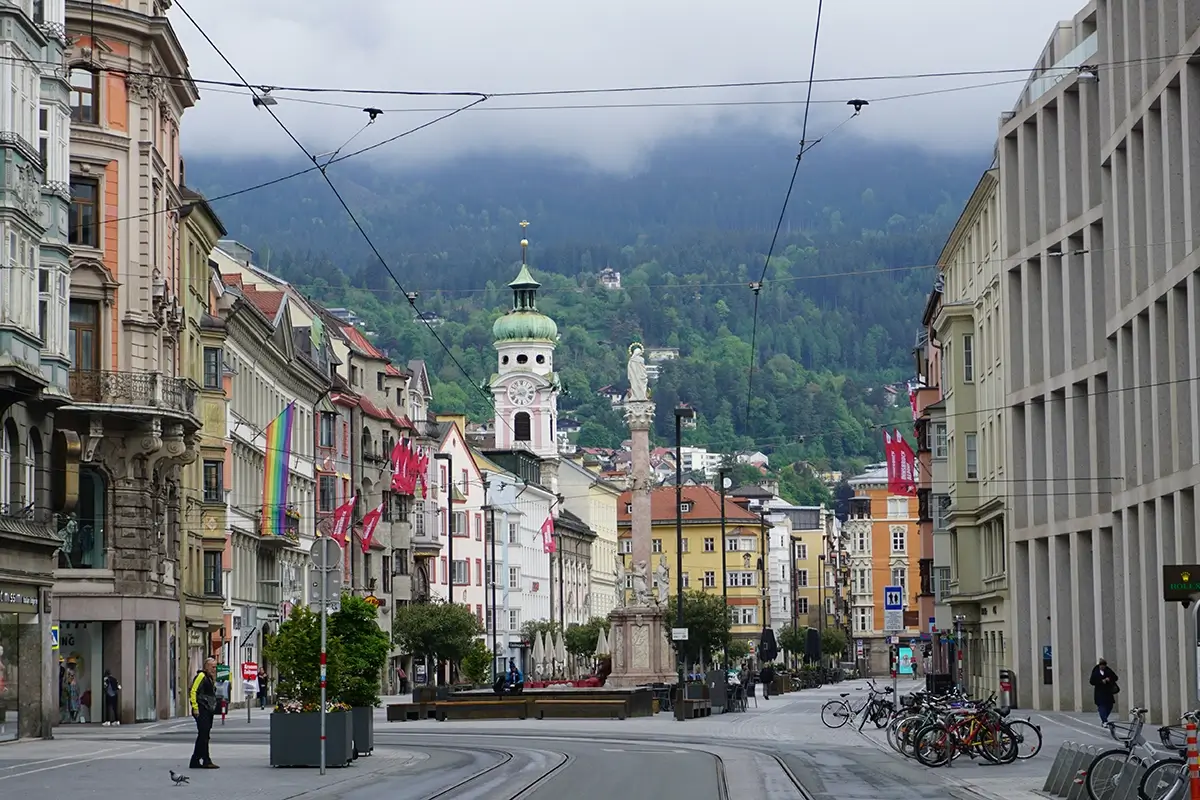
Driving in Austrian cities and towns can be very different from what non-European visitors are used to.
Roads in villages, towns, and even some city centres are often much narrower than expected, requiring careful navigation, especially when passing parked cars or bicycles.
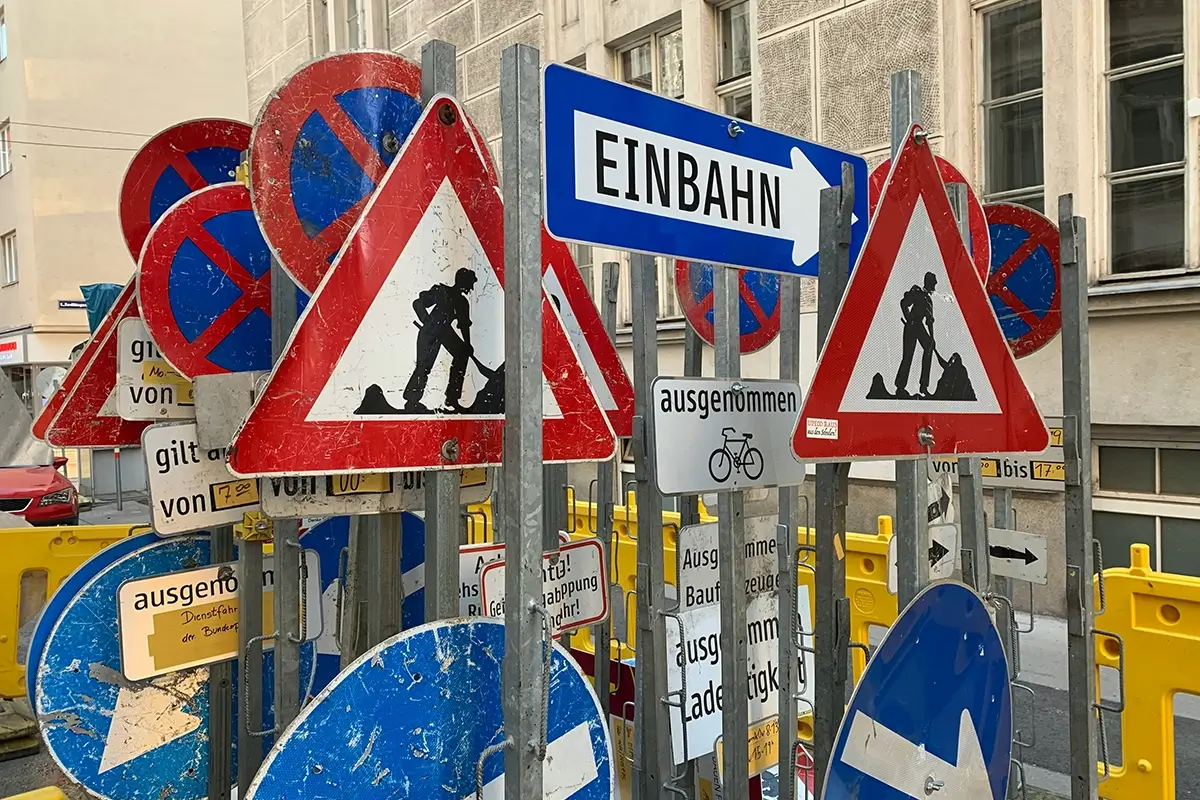
In larger cities, pay attention to one-way streets, marked as EINBAHN, and remember that trams and buses usually have priority.
Pedestrian zones are common, and many streets are closed to general traffic at certain times.
Some towns, such as Hallstatt, restrict non-local drivers from entering the village itself. Visitors must use designated car parks outside the village and continue on foot or via shuttle services.
Being aware of these rules in advance helps avoid fines and makes city driving less stressful.
12. Parking Rules in Austria
Parking in Austria requires close attention to signage, as rules differ widely between major cities and smaller towns or villages.
Most cities use Short-Term Parking Zones (Kurzparkzone), marked by signs at the zone’s entry and, sometimes, by blue paint on the ground. Costs and time limits vary.
In Vienna, almost the entire city is paid Monday to Friday from 9 am to 10 pm, with a two-hour maximum.
While cities like Salzburg often allow up to 3 hours of free parking in certain areas.
The free Short-Term Parking Zones (Kurzparkzone) require a parking disc (known as Parkscheibe or Parkuhr or Parkdisc) which can be purchased at petrol stations or tobacco shops.
Set your arrival time (Ankunft) on the disc and display it clearly on your dashboard.
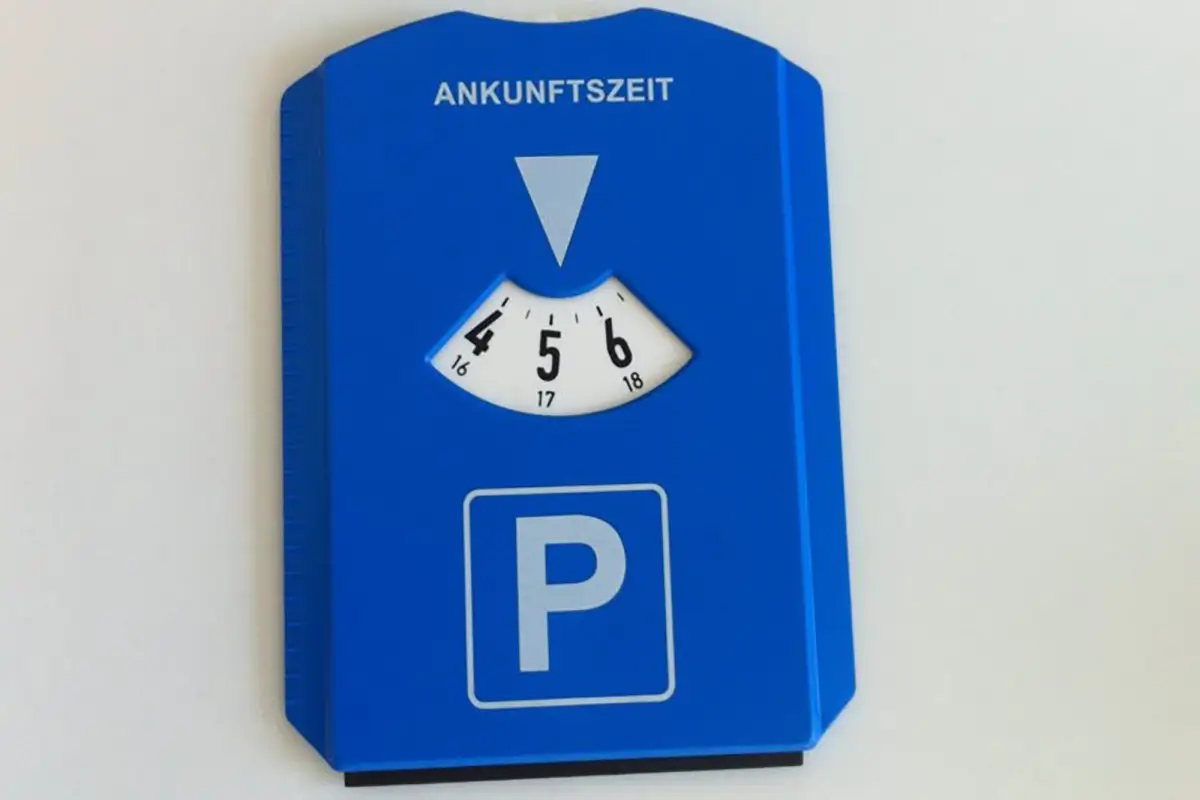
Short-Term Parking Zone Parkscheibe
Paid street parking is handled via ticket machines (Parkscheinautomat) or digital apps.
Machines are typically placed every 100 meters in designated zones, accept coins or card payments, and print a ticket to display on your dashboard.
In Vienna, some zones use pre-paid vouchers (Parkschein), available at Tabak shops, gas stations, or metro stations.
Some supermarkets, such as Billa or Spar, provide free parking for customers, usually limited to one or two hours, but overnight parking or camping is generally prohibited.
Larger parking lots are often managed by private companies; you usually collect a token on entry and pay at a machine before returning to your car.
Many cities offer Park & Ride (P+R) garages on the outskirts to avoid high fees and time restrictions.
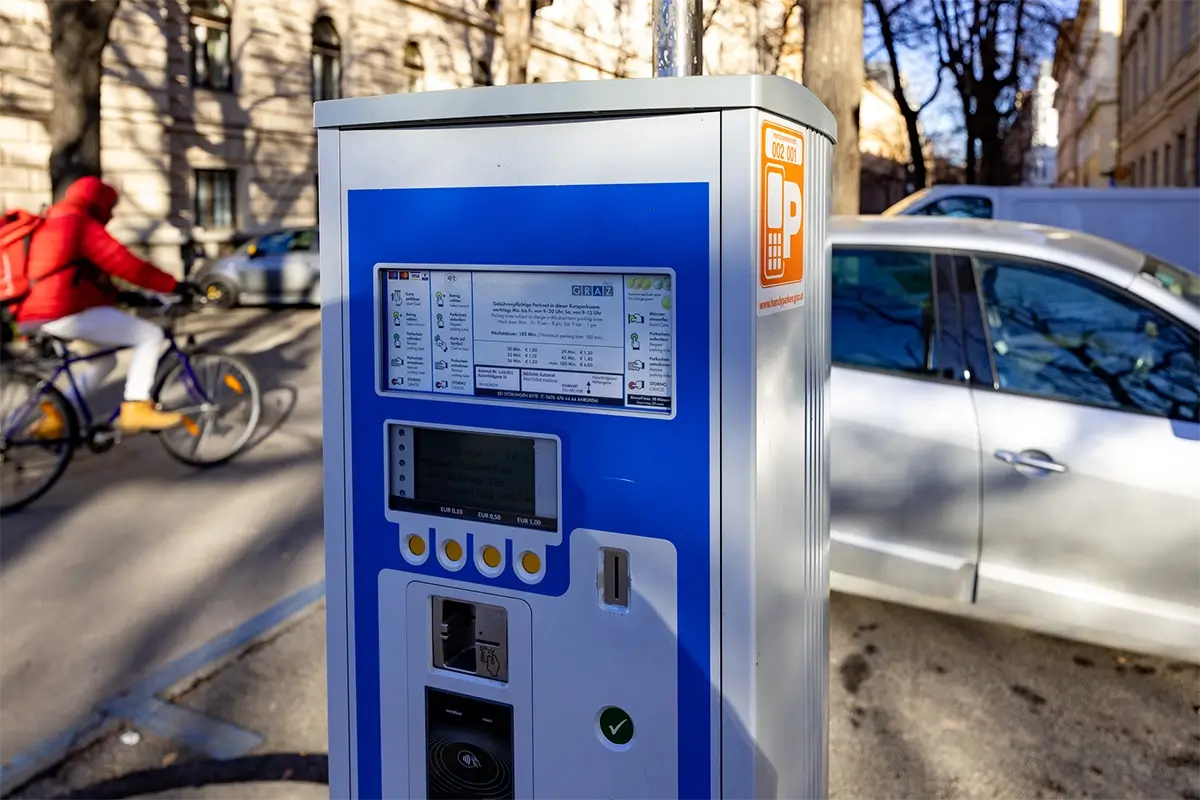
Parking Ticket Machine in Graz
© Graz Tourismus – Harry Schiffer
Never park in no-stopping zones, pedestrian areas, in front of garage doors, or within 5 meters of a crossroad or intersection.
Standard fines for minor offences range from €30–80 but can go up to €726. Disabled drivers with a valid disability card (Section 29b) generally have free, unlimited parking in most zones.
Being aware of these rules and planning ahead will save time, stress, and costly fines when exploring Austrian towns and cities.
13. Local Driving Culture and Road Etiquete in Austria
Understanding Austria’s local driving culture is just as important as knowing the rules of the road.
Austrian drivers are generally courteous and law-abiding, but traffic moves steadily and efficiently, so hesitation or unpredictable manoeuvres can cause frustration.
Trams and buses in cities, especially in Vienna, always have the right of way.
Drivers use their horn sparingly, usually only to warn of immediate danger.
On highways, overtaking is always done on the left, and tailgating is uncommon but frowned upon.
Austria also has a strong culture of courtesy and patience, particularly in rural areas and mountain roads, where lanes may narrow and blind corners are frequent.
Drivers often flash headlights to indicate passing opportunities or warn of speed traps, and it’s common to allow merging traffic to enter smoothly.
Adapting to these unwritten rules—staying calm, observing other drivers, and following local norms—helps your driving experience feel smoother and ensures you are respected on the road.
14. Mountain Roads and Scenic Drives in Austria
Austria is famous for its breathtaking mountain roads and scenic drives, offering some of the most memorable driving experiences in Europe. Routes like the Grossglockner High Alpine Road, Nockalmstrasse, and Gerlos Alpine Road wind through alpine valleys, past lakes, and over high mountain passes, giving drivers unparalleled views of the country’s natural beauty.
For a deeper look, see our guide on Driving the Grossglockner High Alpine Road.
Mountain roads often feature narrow lanes, steep gradients, and hairpin bends, so maintaining a safe speed and using lower gears when climbing or descending is important.
Many scenic routes have designated viewpoints and small parking areas, allowing you to stop safely and enjoy the scenery.
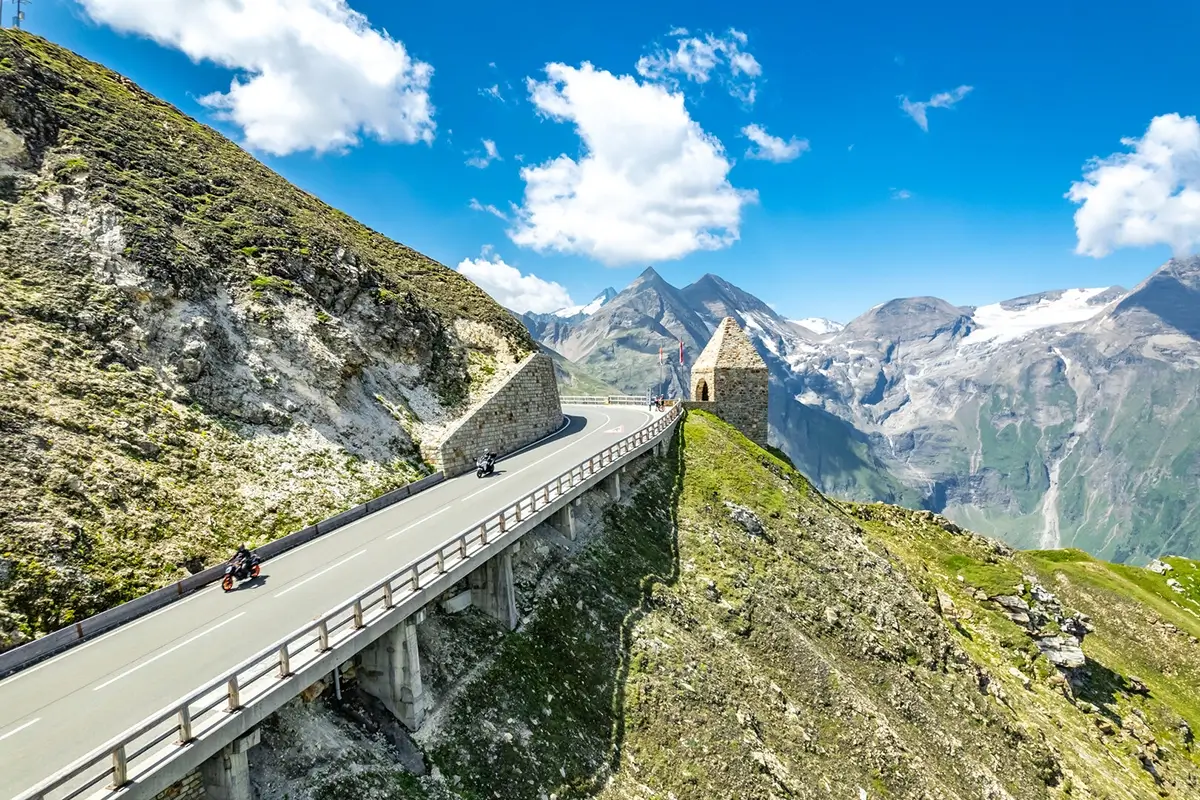
Fuschertörl on the Großglockner High Alpine Road © grossglockner.at/Stabentheiner
Tourist traffic can be heavy in summer, especially on well-known passes, so starting early in the day or visiting mid-week can make for a more relaxed drive.
Fuel planning is essential in remote areas, as petrol stations may be few and far between.
Driving etiquette on narrow mountain roads includes yielding to uphill traffic and using turnouts to allow overtaking.
Cyclists, tractors, and wildlife are common on these routes, so staying alert is key.
First-time alpine drivers will find these roads manageable by following signage, observing speed limits, and taking their time to enjoy the experience.
Scenic driving in Austria is about more than just getting from A to B—it’s an opportunity to stop, explore, and truly soak in the alpine landscapes.
15. Winter Driving
Winter in Austria brings snow, ice, and challenging conditions, especially in alpine areas.
Roads are generally well maintained, and snow is cleared quickly.
In mountain and countryside regions, tractors and snowploughs work to keep roads passable.
During periods of heavy, consistent snowfall, however, roads may not be completely clear, so drivers must adjust to the conditions.
Main roads are prioritised for clearing, while local roads may remain snow-covered longer.
If you’re on a smaller road and unsure, it’s best to wait for the snowplough to pass before proceeding.
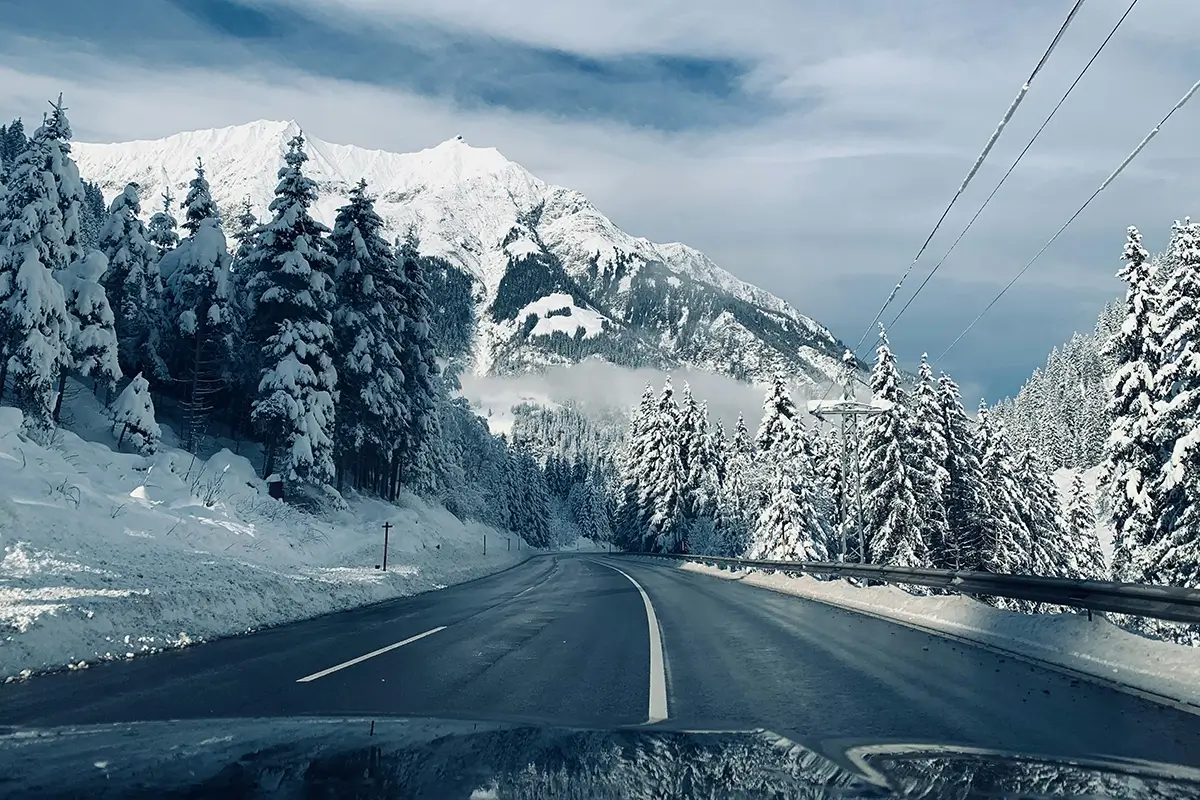
From 1 November to 15 April, vehicles are only permitted on winter roads if fitted with winter tyres.
If you are renting or bringing a car from outside Austria, ensure it comes equipped with winter tyres. Failing to comply with these requirements can result in fines ranging from €35 up to €5,000.
Certain routes may also require snow chains, so check local regulations before setting off.
Expect snow-covered roads, slush, and icy patches, particularly in alpine regions.
Reduce your speed—approximately 50% of normal on snow and 30% on ice—keep a greater following distance, and avoid sudden braking or acceleration to prevent skidding.
Clear all ice and snow from your vehicle, including the roof, windows, and headlights.
Low-beam headlights must be used at all times in winter to improve visibility and safety for all road users.
16. What to Do in a Breakdown or Accident
If you are involved in an accident or experience a breakdown in Austria, the priorities are always to secure the scene, provide assistance, and follow legal reporting requirements.
Austrian traffic law is strict: all parties involved must stop immediately.
Leaving the scene of an accident is a serious offence and can lead to severe legal consequences.
In the event of an accident, switch on your hazard lights straight away.
Before leaving the vehicle, put on a high-visibility vest (Warnweste).
These are legally required and must be accessible inside the car, not stored in the boot.
Set up the warning triangle at a safe distance to alert approaching traffic, especially on highways and main roads.
You are legally required to call the police (133 or 112):
-
-
- if anyone is injured, even slightly;
- if the other party is uncooperative or leaves the scene;
- or if there is significant property damage, such as to guardrails or road infrastructure.
-
In these cases, do not move the vehicles unless instructed to do so by emergency services.
For minor accidents involving only material damage where both parties agree on what happened, calling the police is not mandatory.
You must still exchange names, addresses, insurance details, and policy numbers.
Be aware that if you call the police for a minor accident with no injuries, a call-out fee of around €36 may apply.
It is strongly recommended to take detailed photos of the scene, including vehicle positions, visible damage to all cars, skid marks, and surrounding road conditions.
If your car breaks down, turn on your hazard lights immediately.
Put on your high-visibility vest before exiting the vehicle and place the warning triangle.
If you are on a motorway, move to a safe area such as the hard shoulder or behind a crash barrier and wait well away from traffic.
Austria has two major breakdown assistance organisations, ÖAMTC and ARBÖ.
Both operate 24-hour emergency breakdown services and can be called even if you are not a member, although non-members will need to pay for assistance.
17. The Emergency Corridor (Rettungsgasse) Explained
In Austria, forming a Rettungsgasse (emergency corridor) is mandatory and taken extremely seriously.
It must be created immediately when traffic slows to a standstill or a traffic jam begins on motorways (Autobahnen) and dual carriageways, even before you hear or see emergency vehicles.
The Rettungsgasse creates a clear lane for ambulances, fire services, police, and breakdown vehicles to reach accidents quickly. Failing to form it correctly can delay emergency response and carry heavy fines.
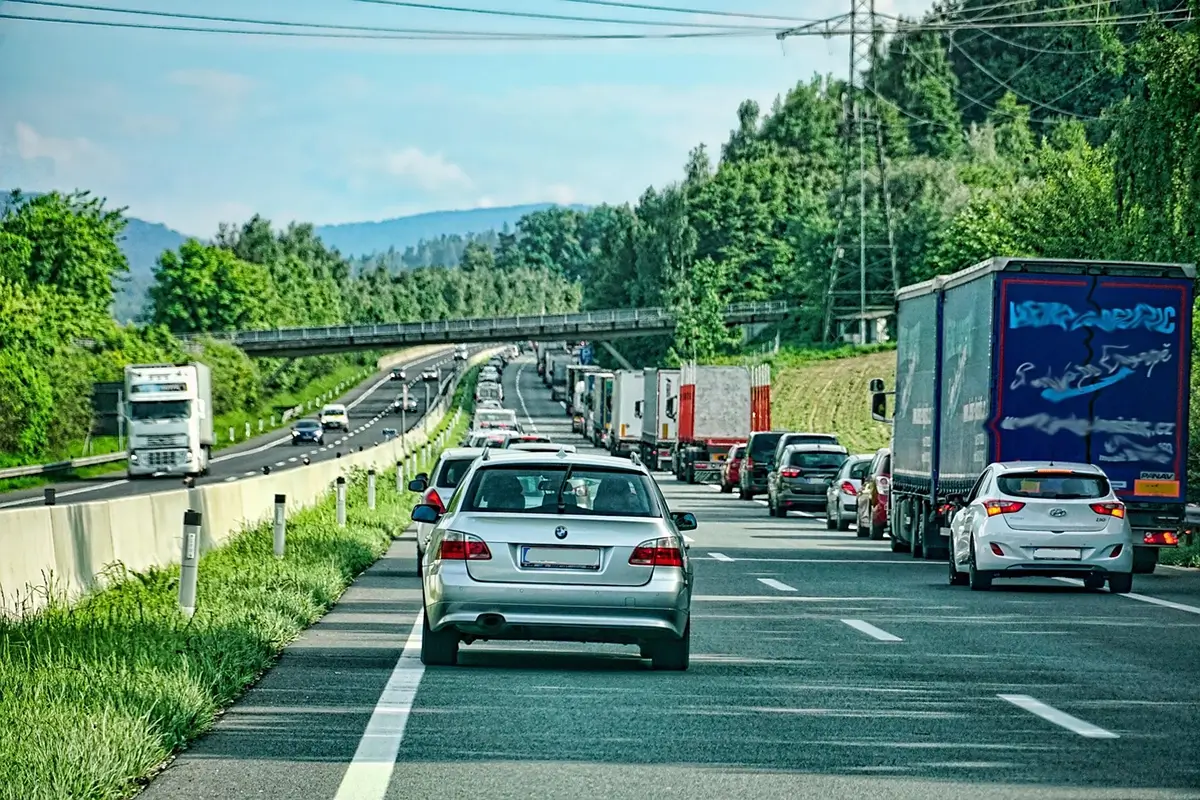
On roads with two lanes in one direction, the emergency corridor must be formed between the two lanes.
Vehicles in the left lane move as far left as possible, while vehicles in the right lane move as far right as possible, including using the hard shoulder if necessary.
On roads with three or more lanes in one direction, the corridor is always formed between the far-left lane and the lane immediately to its right.
Drivers in the far-left lane must steer as far left as they can.
All other vehicles must move as far right as needed to create a clear passage.
It is important not to wait until emergency vehicles are approaching.
The corridor must be created as soon as traffic slows significantly. Once formed, drivers must not drive, stop, or park in the emergency corridor unless instructed by authorities.
This rule applies regardless of the cause of the traffic jam—accident, roadworks, or heavy congestion—and applies to all vehicles, including cars, vans, motorbikes, and trucks.
18. Final Practical Tips
A few final details can make driving in Austria smoother, calmer, and far less stressful, especially if it is your first time on Austrian roads.
Always carry original documents rather than digital copies. While digital insurance or rental confirmations may be accepted by rental companies, police checks still expect physical documents such as your driving licence, passport, and rental agreement.
Plan fuel and charging stops in advance in rural and alpine areas.
Distances may look short on a map, but mountain roads take longer to drive and services can be spaced far apart once you leave major routes.
Keep an eye on temporary road signs. Austria uses portable signs extensively for roadworks, seasonal changes, and local restrictions.
These override permanent signs and are strictly enforced.
Respect local speed discipline. Austrians tend to drive very precisely to posted limits, especially near towns, tunnels, and roadworks. Driving slightly over the limit when locals are not will make you stand out immediately.
Expect efficient but firm enforcement. Police checks are calm and professional, but fines are issued on the spot and ignorance of the rules is not accepted as an excuse.
Do not rely entirely on technology. Navigation apps are helpful, but mountain weather, road closures, and local detours can change conditions quickly.
A general sense of direction and flexibility goes a long way.
Finally, remember that driving in Austria is not about rushing. The country values safety, predictability, and shared responsibility on the road. If you drive patiently and stay observant, you will find it one of the most enjoyable places in Europe to explore by car.
This rule applies regardless of the cause of the traffic jam—accident, roadworks, or heavy congestion—and applies to all vehicles, including cars, vans, motorbikes, and trucks.
Follow AustriaTravelPlanning by Wanderlustria
SAVE this PIN so you can read later
Related Articles
Related
Getting around Salzburg
Salzburg public transport is simple and efficient. Discover how to use buses, buy tickets and get around Salzburg is easy with helpful local travel tips.
How to get to Salzburg
Salzburg is located between Munich and Vienna, making it easy to travel to Salzburg by plane, train, or long-distance bus.
The Ultimate Guide to Vienna Public Transport
Vienna public transport is efficient and easy to use. Discover how to navigate the metro, trams and buses, plus tips on tickets and getting around the city.
Getting to Vienna
Getting to Vienna by plane, train, bus or boat is easy. Here is all the information you need for your journey to Vienna.
Salzburg Guest Mobility Card: Free Travel in Salzburg State
Travelling in Salzburg State just got easier this summer! Discover the Summer Salzburg Guest Mobility Card that gives you FREE TRAVEL in Salzburg State.
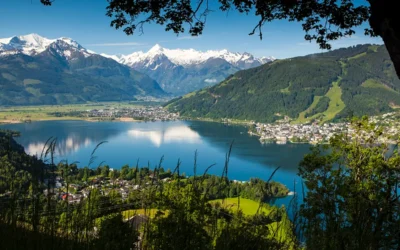
How to travel to Zell am See-Kaprun
Zell am See-Kaprun is one of the most famous ski resorts in Austria. It is also a very popular summer destination. Here is the ultimate guide on how to get to Zell am See-Kaprun by car, bus or train